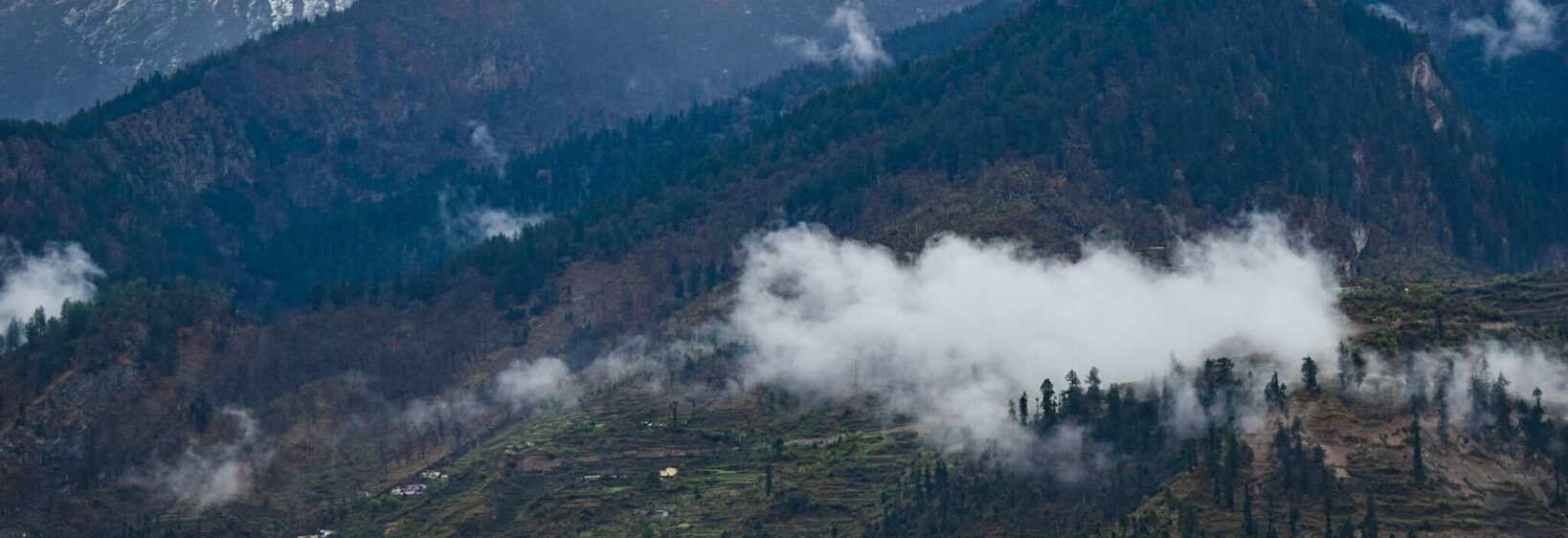
Photographing Neelkanth Peak from Rishikesh
Neelkanth Peak rises above the Garhwal Himalaya near Rishikesh, creating one of the region’s most rewarding long-distance photography subjects. Its snow-covered summit, steep ridges, and changing relationship with clouds make every view slightly different.
The mountain is often photographed from elevated viewpoints around Rishikesh rather than from the busy riverfront itself. Clear air, a stable tripod, and patience are usually more important than expensive equipment when you are trying to capture the peak’s distant details.
Timing also matters. The best image may appear for only a few minutes after sunrise, while an evening storm can turn an ordinary ridge into a dramatic Himalayan landscape. Planning around weather, road conditions, and local light will greatly improve the experience.
Reading the Landscape
Neelkanth Peak stands at approximately 6,597 metres and is associated with the sacred Neelkanth Mahadev Temple. From Rishikesh and nearby hill viewpoints, it appears as a distant high summit framed by forested slopes, river valleys, and temple landscapes.
Visibility is not guaranteed from every location. Haze, dust, monsoon moisture, and buildings can obscure the mountain, especially from lower parts of the city. Elevated spots near Kunjapuri, Narendra Nagar, and routes leading towards the temple may provide more open sightlines, although each location should be checked locally before setting out.
Light Through the Seasons
Winter, from October to February, generally offers the clearest mountain air. Snow on the upper ridges can stand out sharply against a deep blue sky, particularly on cold mornings after a clear night. January and February can be chilly, so protect camera batteries from rapid temperature changes.
Spring brings softer colours and flowering trees, while the pre-monsoon period can produce striking layers of haze and warm light. The monsoon creates lush green foregrounds and powerful cloud formations, but the summit may remain hidden for days. Autumn is often especially attractive because retreating rain leaves refreshed vegetation and clearer horizons.
| Season | Typical conditions | Photography character |
|---|---|---|
| Winter | Cold, dry, clearer air | Crisp summit and long-distance detail |
| Spring | Mild weather, flowering vegetation | Gentle colours and balanced landscapes |
| Summer | Warm lower valleys, haze possible | Early morning is most reliable |
| Monsoon | Heavy cloud and wet roads | Dramatic atmosphere, uncertain visibility |
| Autumn | Green slopes and improving clarity | Rich foregrounds and changing skies |
Best Hours for Mountain Detail
Sunrise is usually the strongest time for a clean Neelkanth Peak photograph. The first light can colour the summit pale gold or pink before the lower valleys brighten. Arrive early, allow time to find a safe viewpoint, and use a headlamp if the approach begins before dawn.
Late afternoon can be equally rewarding when thin cloud catches the setting sun. The peak may not receive direct light if surrounding ridges block the sun, but the sky can develop warm tones that contrast with a cool blue mountain. Avoid assuming that midday is ideal; harsh light often flattens distant ridges and exaggerates atmospheric haze.
Viewpoints and Framing
A telephoto lens between 100mm and 400mm is useful for isolating the summit, while a standard zoom can show the relationship between Neelkanth, forested hills, and the Ganges valley. A wide lens works best when the sky is active or when a strong foreground element provides scale.
Look for natural framing through pine branches, temple architecture, prayer flags, or a quiet mountain road. Keep foreground details purposeful rather than allowing them to clutter the image. A person, bell, or small structure can communicate distance, but it should not overpower the peak.
Photography trips can also become opportunities to explore regional food and village life. Reading this Uttarakhand food guide can help you plan local meals around a landscape-focused day trip.
Practical Camera Planning
Use a sturdy tripod, a remote shutter or two-second timer, and manual focus set carefully on the distant ridge. Shoot in RAW format so that subtle shadow detail and changing sky colours can be adjusted later. Bracketing several exposures is helpful when the bright sky and darker foreground fall far apart in tone.
Check the weather forecast before leaving, but treat it as an indication rather than a promise. Carry water, a light rain layer, spare batteries, and a cloth for mist or drizzle. Roads around hill temples and viewpoints may be narrow or busy, so park responsibly and never step into traffic while composing a photograph.
A Simple Field Checklist
A little preparation makes sunrise photography more comfortable and protects both equipment and the surrounding landscape. Keep local customs in mind near temples, ask before photographing residents, and avoid blocking pilgrims or roadside access.
For photographers extending their Uttarakhand journey, autumn road trips can offer a different kind of mountain scene. The practical ideas in this guide to autumn forest roads are useful when planning longer drives beyond Rishikesh.
- Check visibility, cloud cover, and sunrise time the evening before.
- Carry a telephoto lens, tripod, spare battery, and lens cloth.
- Reach elevated viewpoints before first light rather than chasing the sunrise.
- Use a polarising filter carefully, since excessive polarisation can darken distant skies unevenly.
- Respect temple rules, private land, wildlife, and local traffic.
The finest Neelkanth Peak photographs usually come from observing patiently rather than moving constantly between viewpoints. Set up before the light changes, watch the clouds, and make several compositions as the mountain shifts from shadow to colour. Share your strongest frames with the stories of your Rishikesh journey, and let the landscape guide your next Uttarakhand photo walk.