A Photo Walk Through Bhimbetka’s Rock Shelters
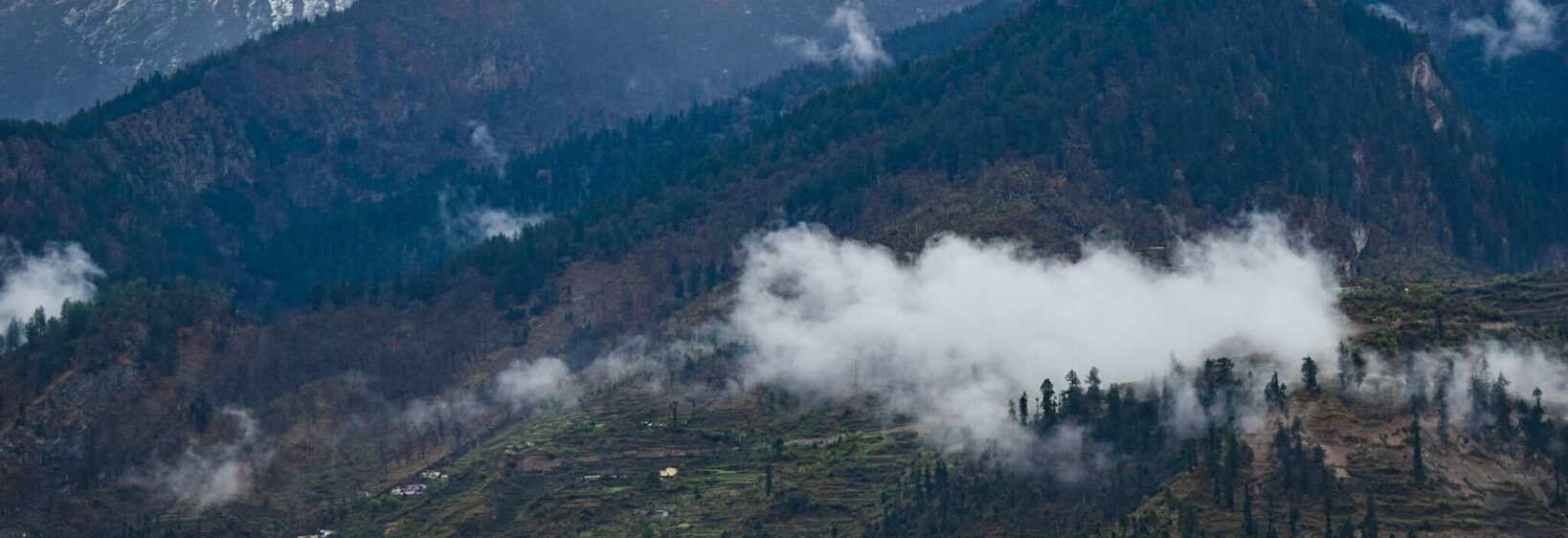
A photo walk through the Bhimbetka caves of Uttarakhand sounds like a journey into the Himalayan foothills, but the famous prehistoric site is actually in Madhya Pradesh. The Bhimbetka Rock Shelters lie in the Raisen district, south of Bhopal, within a forested landscape of sandstone hills.
This correction matters for anyone planning a heritage trip. Uttarakhand has its own remarkable temples, mountain villages, pilgrimage routes, and natural viewpoints, while Bhimbetka belongs to central India’s ancient rock-art tradition. The site is a rewarding destination for photographers who enjoy history, geology, wildlife, and quiet observation.
The shelters preserve paintings created across thousands of years. Their red, white, yellow, and green figures show animals, hunting scenes, dances, ceremonies, and everyday life. With patience, a camera can reveal details that are easy to miss during a quick visit.
Setting the Record Straight
Bhimbetka is a UNESCO World Heritage Site located roughly 45 kilometres from Bhopal. More than 700 rock shelters are spread across the surrounding hills, although only a selected group is open or accessible to visitors. The name is linked in local tradition with Bhima from the Mahabharata.
Unlike Himalayan caves formed in dramatic mountain valleys, these are shallow sandstone shelters shaped by erosion. Their overhanging roofs offered protection to early communities, while the surrounding forest provided water, food, and natural materials.
For readers who enjoy regional travel stories, the Uttarakhand travel blog offers a useful contrast: its landscapes are defined by high ridges, alpine scenery, and Garhwali and Kumaoni culture, whereas Bhimbetka presents a much older archaeological landscape in central India.
Arriving with a Camera
The approach to Bhimbetka is part of the visual experience. Roads pass through woodland and rocky terrain before reaching the visitor area. Early morning usually brings softer light, fewer visitors, and a cooler atmosphere for walking between the shelters.
A wide-angle lens is useful for showing the relationship between rock formations and forest. A standard lens works well for painted panels, while a short telephoto lens can help capture details without bringing equipment too close to fragile surfaces.
Photography should remain quiet and careful. Avoid flash, touching the walls, leaning against the stone, or stepping beyond marked routes. The paintings have survived for centuries, but moisture, oils, dust, and careless movement can cause lasting damage.
Reading the Painted Walls
The artwork is not arranged like a modern gallery display. Some scenes overlap, and different periods of painting may appear on the same surface. Close observation can reveal animals with extended legs, groups of dancers, hunters carrying bows, and figures gathered around ceremonies.
Red ochre is among the most recognisable colours, joined by white, yellow, and occasional green or dark outlines. The simplicity of the forms gives the images remarkable energy. A herd may be suggested with only a few confident lines, while a human figure can communicate movement through posture alone.
| Photographic subject | Useful approach | Detail to notice |
|---|---|---|
| Rock shelter exterior | Wide composition | Sandstone layers, trees, and scale |
| Painted panel | Standard lens, no flash | Overlapping figures and pigments |
| Forest path | Leading lines | Light between trees and exposed stone |
| Visitors near shelters | Respectful distance | Human scale without blocking artwork |
Light, Texture, and Composition
Bhimbetka rewards photographers who slow down. Side light can emphasise the grain of sandstone, cracks in the surface, and the shallow curves of a shelter ceiling. Harsh midday light may be less comfortable, but it can create strong contrast around the rock formations.
Try framing a painting with part of the shelter entrance rather than photographing the panel in isolation. This approach shows how early artists used a natural architectural space. A small human figure in the distance can also communicate the size of the rocks without disturbing the scene.
Avoid over-processing the colours. Excessive saturation can make ancient pigments look artificial and reduce the historical character of the image. Natural tones, gentle contrast, and visible surface texture usually produce a more truthful record.
A Field Guide for Respectful Visitors
Bhimbetka combines archaeology, ecology, and living cultural memory. Visitors should follow official instructions, remain on designated paths, and allow other people a clear view of the shelters. Guides can add context about the paintings, geology, and local traditions that a camera cannot provide.
Carry drinking water, sun protection, comfortable walking shoes, and a small bag for personal waste. Mobile reception may vary, and there may be limited shade between sections of the site. Check current opening hours, access rules, and photography permissions before travelling.
Simple Ways to Strengthen the Photo Walk
- Visit early or late in the day for gentler light and cooler walking conditions.
- Carry a camera with a versatile lens, spare batteries, and a lens cloth for dusty paths.
- Photograph the shelter, landscape, and artwork as connected parts of one story.
- Keep a short field note beside each image, recording the shelter name and visual details.
- Give priority to conservation over getting a closer or more dramatic frame.
Bhimbetka is best experienced as a place of deep time rather than as a collection of exotic images. Each photograph should preserve the setting, respect the paintings, and encourage greater interest in India’s prehistoric heritage.
Plan the visit carefully, walk slowly through the forested shelters, and create a visual record that honours both the artists who worked there and the people responsible for protecting their legacy.