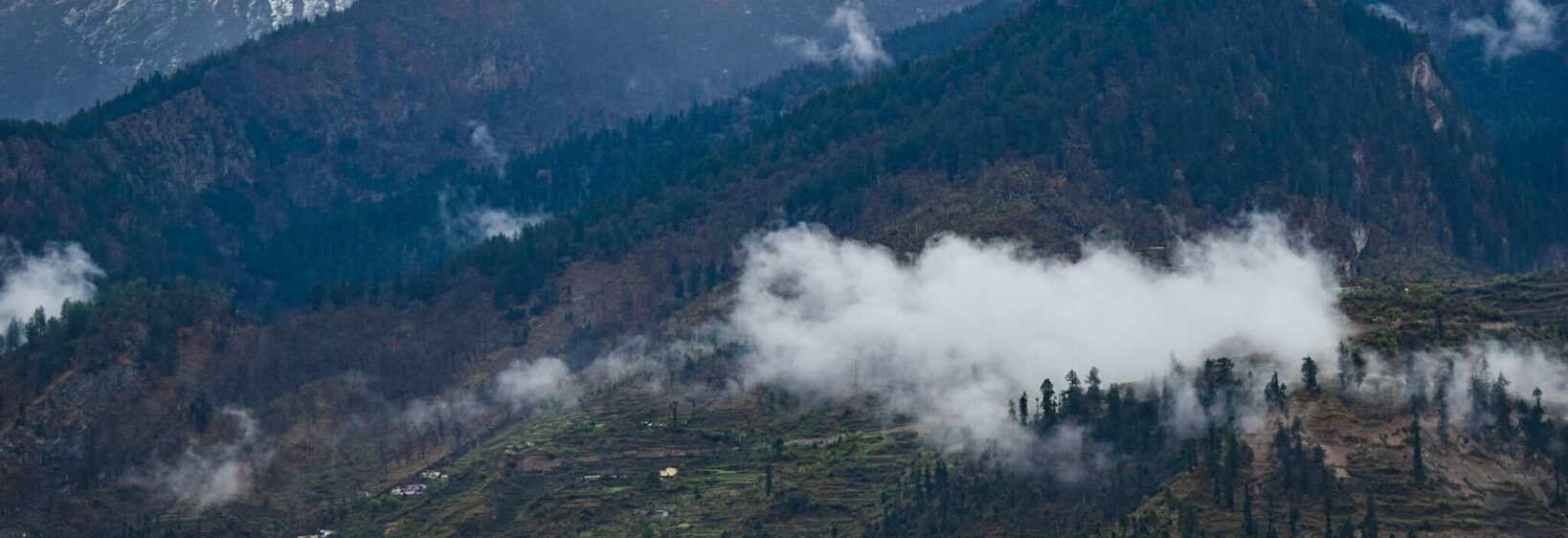
Exploring Joshimath’s Hidden Waterfalls Through Photography
Joshimath is best known as a gateway to Auli, Badrinath, the Valley of Flowers, and the Niti Valley. Yet beyond these celebrated routes, mountain streams create quiet waterfalls along forest roads, village paths, and steep Himalayan gullies. Some appear only after snowmelt or monsoon rain, while others flow throughout much of the year.
This photo guide focuses on discovering those lesser-known cascades responsibly. The most rewarding images often come from unnamed falls rather than famous viewpoints: a silver ribbon beside a cedar trail, water slipping over dark rock, or a misty stream below a road bend.
For visual references on Uttarakhand’s landscapes, temples, and local life, browse these Uttarakhand photo stories before planning your journey. They can help you understand the region’s changing light, architecture, and mountain scenery.
Reading the landscape around Joshimath
Joshimath stands in the Alaknanda valley, surrounded by high ridges and deep drainage channels. Waterfalls are especially common where seasonal streams cut through exposed rock below Auli, Vishnuprayag, Tapovan, and the roads leading toward the Niti Valley. Many are visible from a distance but require local guidance to reach safely.
Look for fresh water lines after rain, shaded ravines beneath pine and deodar forests, and narrow streams crossing village trails. A cascade that seems small from the road may open into a dramatic photographic scene lower down. However, steep slopes, loose stones, and fast water can make an apparently easy descent hazardous.
Waterfall corridors worth exploring
The Auli road offers broad views of the mountains, but its smaller side trails can reveal temporary cascades during the monsoon. Early morning is ideal for photographing water against shadowed forest, when the surrounding slopes have softer contrast and fewer passing vehicles.
Around Vishnuprayag, streams and channels meet amid rugged mountain scenery. The area is visually powerful, though the river current is dangerous and access near the water should never be treated casually. At Tapovan and along routes toward Niti Valley, ask residents about active springs and seasonal falls before leaving the main road.
Unnamed waterfalls are often the most authentic subject. Rather than entering private farmland or fragile forest, photograph from established paths and viewpoints. A local driver, guide, or shopkeeper can usually identify safe access and explain whether a stream is suitable for walking near.
When to go and what to carry
The monsoon, from roughly July to September, produces the fullest waterfalls and the richest green vegetation. It also brings landslides, slippery trails, falling rocks, and sudden increases in stream volume. Late spring can reveal snowmelt-fed cascades, while autumn generally brings clearer skies and more stable roads.
Carry a rain cover for the camera, microfiber cloths, shoes with firm grip, and a small dry bag. A wide-angle lens is useful for placing the waterfall within its Himalayan setting, while a telephoto lens can isolate distant streams across the valley.
| Season | Waterfall character | Photography advantage | Main concern |
|---|---|---|---|
| March–May | Snowmelt and moderate flow | Clear mountain air and fresh foliage | Unstable high-altitude weather |
| June | Increasing stream volume | Stronger cascades before peak rain | Early landslides |
| July–September | Fullest flow and vivid greenery | Mist, texture, and dramatic movement | Slippery trails and flash floods |
| October–November | Clearer skies and reliable visibility | Sharp ridgelines and warm afternoon light | Reduced flow in smaller falls |
| December–February | Occasional frozen edges or thin flow | Snow-covered surroundings | Cold, ice, and limited access |
Techniques for photographing moving water
Use a tripod only where the ground is stable and well away from the stream edge. Shutter speeds between one-quarter and two seconds can turn water into smooth white trails, while faster settings preserve individual droplets and splashes. Shoot several variations rather than relying on a single exposure.
Overcast weather is often excellent for waterfall photography because it reduces harsh highlights on wet rock. In bright conditions, use the shade of nearby trees or photograph early and late in the day. Check the histogram regularly: white water can lose detail quickly, especially when surrounded by dark cliffs.
Include scale in the frame with a trail, tree, bridge, or distant person, but avoid directing anyone onto dangerous rocks merely for composition. A vertical frame usually suits a tall cascade, while a horizontal image can show the waterfall’s relationship to Joshimath’s valley landscape.
A practical field checklist
Preparation matters more than expensive equipment in remote mountain terrain. Keep your group together, tell someone your route, and avoid exploring a new ravine after heavy rain or near dusk.
Before photographing a hidden waterfall, use this short checklist:
- Check the weather, road condition, and local access advice.
- Wear shoes with strong traction and carry a waterproof layer.
- Keep a safe distance from pools, cliffs, and fast-flowing channels.
- Protect camera batteries and memory cards from moisture.
- Leave plants, rocks, prayer items, and village property undisturbed.
Ask permission before photographing people or entering a privately managed path. Do not leave plastic, food packaging, or tissue near a stream. Clean photography preserves the same quiet places that make these lesser-known attractions worth visiting.
Safety, access, and local knowledge
Waterfall routes around Joshimath can change quickly after rainfall, road construction, or slope movement. A path visible in a dry photograph may be submerged or blocked during the wet season. Never cross a swollen stream, and do not stand beneath unstable cliffs where loose stones may fall.
Local knowledge is essential for discovering safe viewpoints. Hire a registered guide for unfamiliar trails, confirm the return time with your accommodation, and keep offline maps available because mobile coverage can be inconsistent. Respect village customs, religious sites, and forest restrictions throughout the journey.
A thoughtful visit can produce more than attractive waterfall photographs. It can also document seasonal water, traditional paths, and the quieter character of the Garhwal Himalaya without placing people or fragile landscapes at risk.
Pack lightly, walk patiently, and give each cascade time to reveal its best angle. With careful planning and a respectful approach, Joshimath’s hidden waterfalls can become some of the most memorable images in your Uttarakhand travel collection.