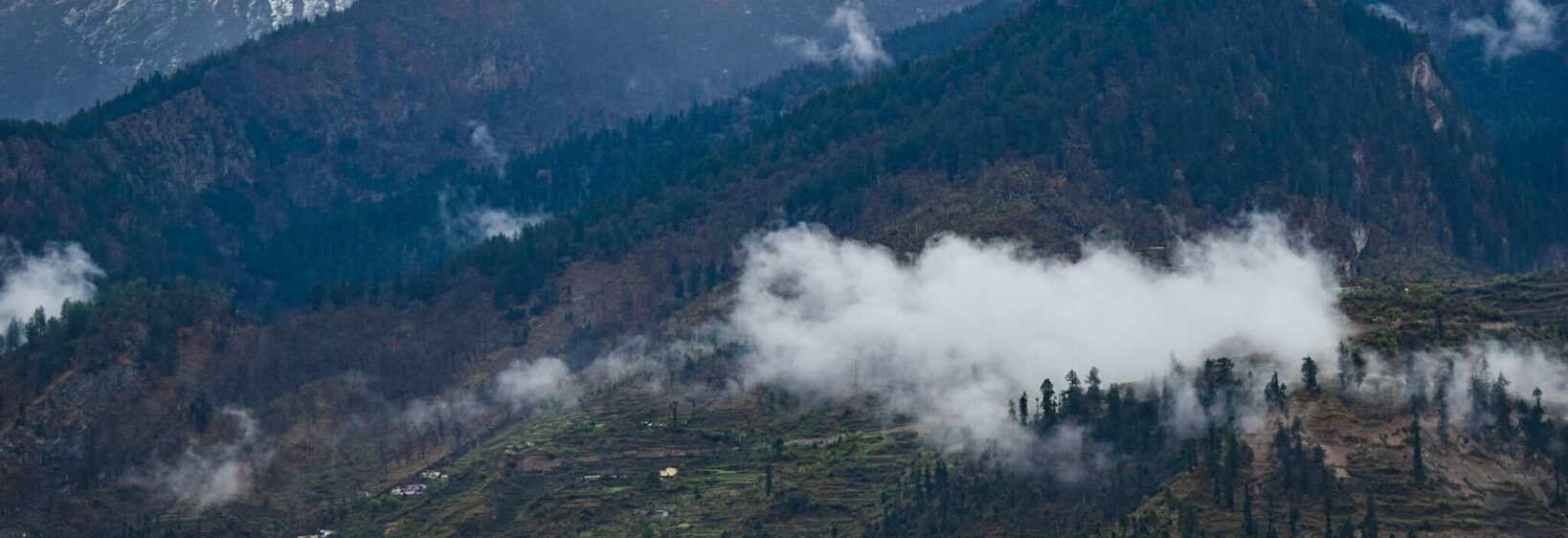
A weekend in Ranikhet for unforgettable landscape photographs
Ranikhet is a gentle hill station in Almora district where pine forests, open meadows, distant Himalayan peaks, and old cantonment roads create a naturally varied photography itinerary. The town feels quieter than many popular Uttarakhand destinations, which gives photographers time to wait for changing light instead of rushing between viewpoints.
A weekend is enough to explore the best landscape photography locations around Ranikhet, especially if the trip is planned around sunrise and sunset. Clear mornings reveal snow-covered peaks, while late afternoons bring warm light across terraced fields and wooded ridges.
The area also rewards images beyond grand mountain views. Village paths, temple bells, traditional homes, local markets, and the textures of pine needles can give a photo series a stronger sense of place. More Uttarakhand travel ideas and visual stories are collected on Uttarakhand photo stories.
Start with Ranikhet’s quiet morning light
Begin before sunrise at a viewpoint facing the Himalayan range. On a clear day, peaks such as Nanda Devi and Trishul may appear above the layered ridges. The first light changes quickly, moving from cool blue shadows to pale gold, so arrive early enough to compose before the colors begin.
Use a tripod for low-light exposures and keep the composition simple. A line of deodar trees, a distant ridge, or a small roof in the foreground can add depth without competing with the mountains. A telephoto lens is useful for isolating snowy summits, while a wide lens captures the atmosphere of the whole valley.
Find changing scenes at Chaubatia
Chaubatia Apple Garden is one of the most rewarding places for a relaxed morning walk. Orchard rows, sloping paths, and glimpses of surrounding hills provide a mixture of patterns and broad landscape views. During blossom season, delicate flowers create especially attractive foreground details.
The garden changes character with the weather. Mist softens the ridges after rain, while sunshine highlights the geometric lines between fruit trees. Photograph through branches for a natural frame, and look for small details such as dew, bark, fallen leaves, and farmers working among the orchards.
Explore forests, meadows, and cantonment roads
Ranikhet’s Golf Ground offers an expansive landscape with open grass, tall trees, and a clean horizon. It is particularly effective during the golden hour, when low sunlight stretches shadows across the meadow. A person walking through the frame can provide scale and make the scene feel lived-in.
The cantonment area is equally photogenic because of its orderly roads, colonial-era buildings, and dense deodar forest. Binsar Mahadev Temple, located farther from the main town, adds another kind of visual experience, combining woodland scenery with traditional architecture. Photograph respectfully and avoid disturbing worshippers.
Match each location to the best light
Planning around light helps a short trip feel spacious. The following schedule balances sunrise, daytime exploration, and evening color while leaving room for unexpected roadside scenes.
| Location | Best time | Strongest subjects | Useful approach |
|---|---|---|---|
| Himalayan viewpoint | Sunrise | Snow peaks and layered ridges | Use a tripod and bracket exposures |
| Chaubatia Apple Garden | Morning | Orchards, blossom, mist | Combine wide views with close details |
| Golf Ground | Late afternoon | Meadows, trees, long shadows | Add a person for scale |
| Cantonment roads | Morning or evening | Deodar forest and architecture | Look for leading lines |
| Jhula Devi Temple | Daytime | Bells, woodland, local culture | Ask before photographing people |
| Majhkhali | Sunset | Valley views and glowing ridges | Carry a jacket and reach early |
Weather can shift quickly in the hills, so keep lens cloths and waterproof protection accessible. Clouds are not a failure; broken cloud often creates the most dramatic landscape conditions, with moving patches of light across the valleys.
Include the culture around the scenery
A strong Ranikhet photo essay should connect the landscape with daily life. Visit local streets, observe traditional stone-and-wood houses, and notice how pine forests meet cultivated slopes. Early morning activity near temples and markets can add human scale to the wider mountain story.
Jhula Devi Temple is known for its many bells and peaceful forest setting. Ask permission before making close portraits, and avoid treating religious spaces as simple backdrops. A respectful approach produces more meaningful photographs and helps preserve the welcoming character of the destination.
Pack for a flexible photography weekend
Carry a camera body, wide-angle lens, medium telephoto, spare batteries, memory cards, a polarising filter, and a lightweight tripod. Comfortable shoes are essential because some viewpoints involve uneven paths, and warm layers matter even when afternoons feel mild.
Keep the itinerary flexible enough for stops along the road. A bend revealing a valley, a herd crossing a meadow, or sunlight breaking through pine branches may become the defining frame of the weekend. Back up images each evening, and record locations while they are still fresh in memory.
A practical shooting checklist
- Reach major viewpoints at least 20 minutes before the planned light.
- Check clouds, visibility, and local road conditions before travelling farther from town.
- Use foreground elements to create depth in wide mountain compositions.
- Photograph people, temples, and private spaces only with courtesy and permission.
- Carry water, snacks, rain protection, and a fully charged phone.
Ranikhet is best photographed at an unhurried pace. Spend less time chasing every listed attraction and more time observing how light, weather, forest, and village life interact. Use this weekend route as a starting point, then build a personal visual story from the places that hold your attention longest.
Pack your camera, leave room for spontaneous detours, and explore Ranikhet through patient observation—one changing Himalayan view at a time.