Rishikesh Beyond the Beatles: Spiritual Sites You Shouldn’t Miss
Rishikesh is often introduced through the story of the Beatles’ 1968 visit to Maharishi Mahesh Yogi’s ashram. That chapter helped place the city on the international travel map, yet its deeper identity comes from the Ganges, ancient temples, meditation traditions, and the pilgrims who arrive throughout the year.
The city is both a gateway to the Himalayas and a living centre of Hindu spirituality. Riverside ghats, forested hills, yoga schools, and quiet shrines create an atmosphere that changes from one neighbourhood to the next. A thoughtful visit looks beyond famous ashrams and makes time for the sacred places woven into local life.
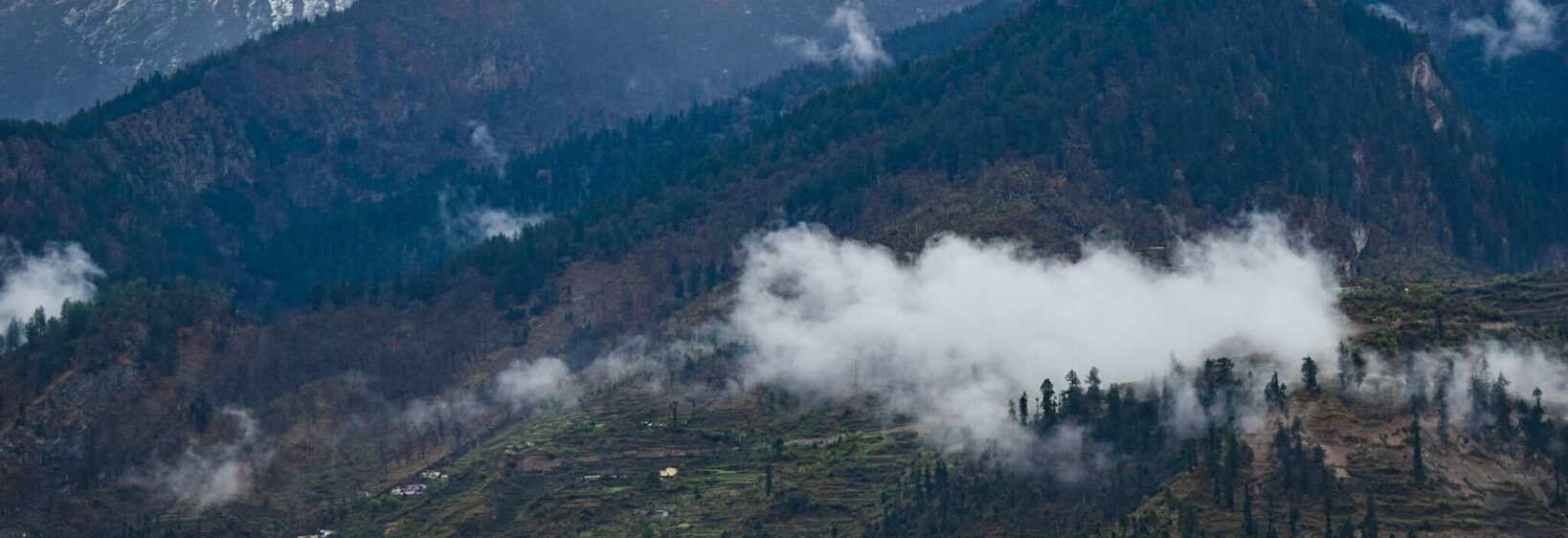
For visual inspiration and regional travel stories, browse Uttarakhand travel stories before planning a route through Rishikesh and nearby destinations. The photographs can also help visitors understand the landscape they will encounter between the plains and the Garhwal hills.
Triveni Ghat And The Evening Ganga Aarti
Triveni Ghat is one of Rishikesh’s most important riverside gathering places. Hindu tradition associates the ghat with the meeting of three sacred rivers, and pilgrims come here to bathe, offer flowers, and sit beside the Ganges. The broad steps make it easy to observe daily rituals without entering a temple complex.
At sunset, the Ganga aarti brings lamps, bells, chanting, and devotional music to the riverbank. Arrive early for a clear view, especially during festivals and peak travel months. Visitors should dress modestly, keep phones discreet during prayers, and avoid treating the ceremony as a performance staged solely for photography.
Parmarth Niketan And The Ashram Tradition
Parmarth Niketan, situated near Swarg Ashram, is known for its yoga programmes, spiritual talks, charitable work, and large evening aarti. Its riverfront setting offers a meaningful place to slow down and learn about practices that connect breath, movement, service, and meditation.
The ashram environment is different from a standard hotel or retreat resort. Daily schedules may include early rising, vegetarian meals, quiet hours, and participation in organised activities. Even visitors staying elsewhere can attend public ceremonies, but they should follow the rules of the campus and avoid interrupting those undertaking longer spiritual retreats.
Temples In The Himalayan Foothills
Neelkanth Mahadev Temple lies in the forested hills approximately 30 kilometres from central Rishikesh. Dedicated to Shiva, the temple is associated with the legend of the deity consuming poison during the churning of the cosmic ocean. The journey passes through winding mountain roads and offers a striking change from the busy riverfront.
Kunjapuri Devi Temple, near Narendra Nagar, is another rewarding excursion. Its hilltop location provides wide views towards the Himalayan ranges, the Doon Valley, and surrounding ridges. Many travellers visit before sunrise, when the cool air and changing light make the climb especially memorable. Weather can affect visibility, so the experience is best approached as a pilgrimage and mountain outing rather than a guaranteed viewpoint.
| Spiritual site | Best suited to | Time to allow | What to remember |
|---|---|---|---|
| Triveni Ghat | First-time visitors and river rituals | 1–2 hours | Reach the steps before the evening aarti |
| Parmarth Niketan | Yoga, meditation, and devotional learning | 2–4 hours | Follow ashram rules and dress modestly |
| Neelkanth Mahadev | Temple pilgrims and scenic drives | Half a day | Roads are winding and monsoon travel may be slower |
| Kunjapuri Devi | Sunrise, hiking, and mountain views | Half a day | Carry water and check weather conditions |
| Vashishta Cave | Silence, reflection, and nature | 2–3 hours | Combine the visit with a riverside walk |
Vashishta Cave And A Quieter Riverside
Vashishta Cave, or Vashishta Gufa, is located outside the central town on a peaceful stretch of the Ganges. The small cave shrine is linked with the sage Vashishta and has long attracted people seeking meditation and solitude. Its simple atmosphere contrasts with the lively cafés, rafting operators, and markets closer to Lakshman Jhula.
The surrounding area is suitable for a slower half-day visit. Sit quietly near the river, walk through the trees, and allow time for the journey rather than rushing between attractions. During the monsoon, river conditions and access can change, so local guidance is important when approaching the water.
Sivananda Ashram And Swarg Ashram
Swarg Ashram is among Rishikesh’s oldest spiritual neighbourhoods, with narrow lanes, temples, bookshops, meditation centres, and small vegetarian restaurants. The area remains closely associated with traditional study and renunciation, even as guesthouses and wellness retreats have expanded around it.
The Divine Life Society, founded by Swami Sivananda, has played a major role in spreading yoga and Vedanta teachings. Visitors interested in spiritual philosophy can explore its publications, attend permitted activities, and experience the calm of the ashram grounds. The emphasis is generally on disciplined practice and service rather than sightseeing.
A Respectful Way To Explore Rishikesh
A spiritual itinerary becomes more rewarding when it leaves space for observation. Consider combining a well-known ceremony with a less crowded site, and keep transport time in mind when travelling into the hills.
- Begin with an early walk along the Ganges before the markets become busy.
- Choose one temple excursion, such as Neelkanth Mahadev or Kunjapuri Devi, instead of packing both into a rushed day.
- Wear clothing that covers the shoulders and knees at temples and ashrams.
- Ask before photographing worshippers, sadhus, ceremonies, or private religious spaces.
- Carry reusable water, modest footwear, and cash for small donations or local transport.
Rishikesh offers far more than its Beatles connection. Its spiritual character is found in the sound of temple bells, the discipline of ashram life, the quiet of a forest shrine, and the enduring presence of the Ganges. Plan your journey with patience, include these sacred sites alongside the city’s familiar attractions, and let the landscape reveal a deeper side of Uttarakhand.