Mussoorie’s Colonial Charm: Walking Tour Through Landour
Landour, perched above Mussoorie, feels quieter and older than the busy Mall Road below. Pine forests, stone cottages, sloping lanes, and distant Himalayan views create an atmosphere shaped by the cantonment’s colonial past and the slower rhythm of a hill village.
A walking tour here is less about covering distance and more about noticing details: moss on old walls, wooden balconies, hand-painted signs, church bells, and the smell of fresh bread drifting from a small café. The route is ideal for travellers who enjoy heritage, photography, local history, and peaceful mountain walks.
Landour is also a rewarding part of any Uttarakhand itinerary. The Uttarakhand travel stories on UK Photos Gallery offer further inspiration for exploring the region’s landscapes, traditions, and hill destinations.
Begin At Sisters Bazaar
Start near Sisters Bazaar, a compact cluster of shops and cafés along Landour’s main road. The area takes its name from the nurses who once served the nearby military cantonment, and its narrow lanes still retain a distinctly old-world character.
Look for traditional stone-and-timber houses, corrugated roofs, and gardens enclosed by weathered walls. Some buildings are private residences, so photography should be respectful and taken from public paths. Early morning is especially pleasant, when the roads are calm and the deodar trees cast long shadows.
Follow The Landour Loop
The classic Landour walking route follows a winding road through quiet neighbourhoods and forested stretches. It connects several landmarks, including Kellogg’s Church, St Paul’s Church, Char Dukan, and Lal Tibba, while offering occasional views toward snow-covered Himalayan peaks.
The walk includes gentle climbs, uneven paving, and sections where vehicles pass close by. Comfortable shoes, drinking water, and a light jacket are useful even in warmer months. Allow at least two to three hours if you plan to stop for photographs, tea, and heritage sightseeing.
Pause At Kellogg’s Church
Kellogg’s Church, formally known as the Kellogg Memorial Church, is one of Landour’s best-known landmarks. Built in the nineteenth century, it is associated with missionary education and the study of local languages. Its Gothic features, tall windows, and stone construction make it an important example of colonial-era architecture in the hills.
The church stands beside the Landour Language School, where the history of language education adds another layer to the neighbourhood’s identity. Visitors should check access arrangements and avoid disturbing services. Even from outside, the setting reveals how religion, education, and cantonment life shaped Mussoorie.
Compare The Main Stops
The most enjoyable route combines heritage buildings with small food stops and viewpoints. Char Dukan is popular for pancakes, sandwiches, tea, and coffee, while Lal Tibba provides one of the highest and most scenic viewpoints around Mussoorie.
| Stop | What To See | Suggested Time | Best Feature |
|---|---|---|---|
| Sisters Bazaar | Old homes and cafés | 20–30 minutes | Quiet village atmosphere |
| Kellogg’s Church | Gothic architecture and history | 20 minutes | Heritage details |
| Char Dukan | Local snacks and hot drinks | 30–45 minutes | Relaxed café break |
| Lal Tibba | Himalayan panorama and telescope point | 30–60 minutes | Long-distance views |
| St Paul’s Church | Historic religious architecture | 15–20 minutes | Peaceful surroundings |
Clouds can cover the mountains without warning, particularly during the monsoon. Even when the Himalayan panorama disappears, the walk remains attractive because of the forest, architecture, and changing light.
Discover Char Dukan And Lal Tibba
Char Dukan is more than a refreshment stop. Its collection of small eateries has become part of Landour’s identity, drawing visitors who want a simple meal in a wooded setting. Try local tea, a warm breakfast, or freshly prepared snacks, and expect the area to be busiest on weekends.
From there, continue toward Lal Tibba, often described as the highest point in Mussoorie. The viewpoint’s telescope and open ridge are popular attractions, but the surrounding lanes are equally rewarding. Tall deodars, traditional homes, and broad valley views create excellent opportunities for landscape and architectural photography.
Plan A Respectful Heritage Walk
Landour is a living neighbourhood, not an open-air museum. Keep voices low near churches and homes, do not enter private compounds, and carry rubbish back to a suitable disposal point. Supporting independent cafés and local shops helps the area retain its welcoming character.
A few simple preparations make the route more comfortable:
- Begin before late-morning crowds, especially during holidays.
- Carry cash because smaller cafés and shops may not accept digital payments.
- Wear shoes with reliable grip for steep or damp lanes.
- Bring a reusable water bottle and avoid single-use plastic.
- Check weather conditions before setting out during the monsoon.
Capture Landour’s Changing Light
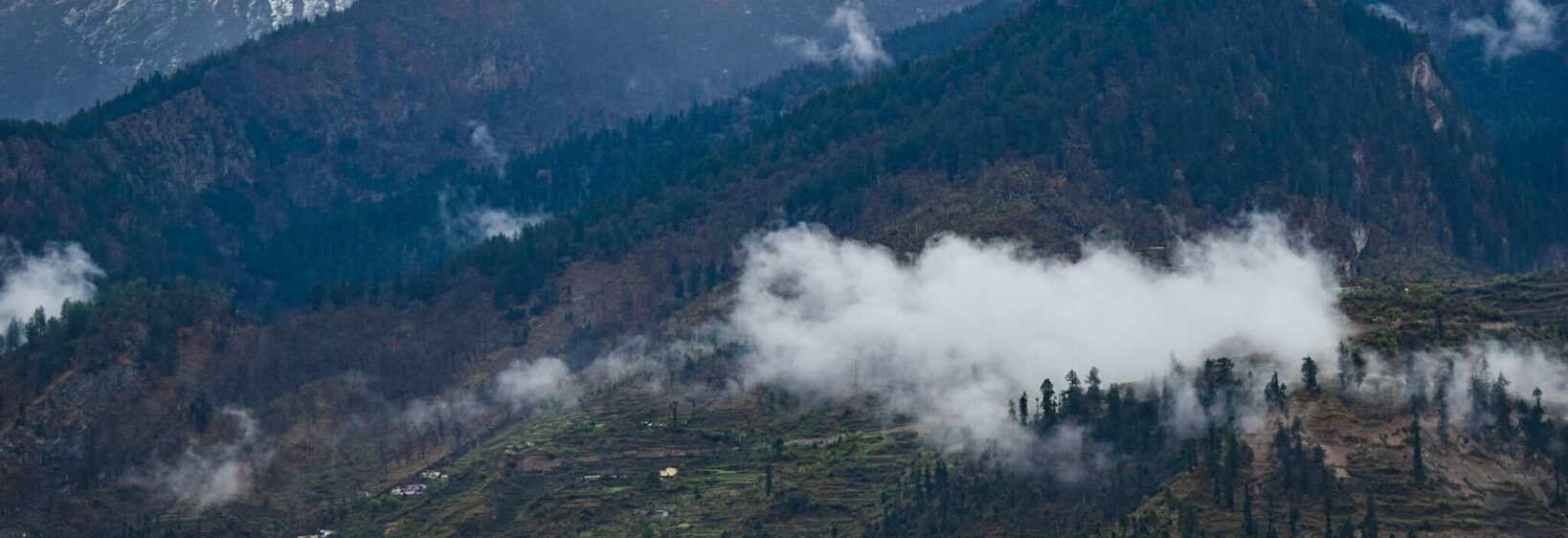
Photographers will find the best atmosphere in the soft light of morning or late afternoon. Mist moving through the pines, sunlight on old stone walls, and clouds drifting across the ridges can transform the same lane within minutes.
Use a wide lens for forest roads and architecture, then switch to a longer lens for distant mountain layers. Ask permission before photographing residents, workers, or worshippers. The most memorable images often come from ordinary details: a painted doorway, a chimney above the trees, or a quiet café table overlooking the valley.
Landour’s colonial character is preserved through its architecture, landscape, and everyday community life. Walk slowly, leave room for unplanned discoveries, and make this heritage corner of Mussoorie part of your next Uttarakhand journey.