Ghorakhal’s Golu Devta Temple: Bells, Faith, And Folk Justice
Set among the forested hills near Bhowali in Nainital district, the Golu Devta Temple at Ghorakhal is one of Uttarakhand’s most distinctive folk shrines. Its peaceful mountain setting is matched by a remarkable sight: thousands of bells hanging across the temple grounds, each connected with a prayer, promise, or expression of gratitude.
Golu Devta is widely revered in Kumaon as a deity of justice. Visitors come from nearby villages, other parts of India, and abroad to seek a fair resolution to disputes, offer petitions, and thank the deity when a wish is believed to have been fulfilled. The shrine brings together faith, local history, architecture, and the living traditions of the Kumaoni people.
A visit here offers more than a conventional temple stop. It provides an opportunity to observe a regional belief system in which written appeals, bells, oral stories, and community customs remain closely connected.
The Deity Of Justice In Kumaon
Golu Devta, also known as Goljyu or Goludev, is traditionally regarded as a divine protector and dispenser of justice. Devotees often write their requests on paper and place them within the temple precincts. Some people tie bells after receiving a favourable answer to their prayer, creating the shrine’s unforgettable visual character.
The deity is associated with honesty, fairness, and the protection of ordinary people. Local stories describe him as a just ruler who listened to the concerns of his subjects. Although different communities tell the legend in slightly different ways, the central idea remains consistent: truth will ultimately receive divine support.
Legends, Bells, And White Horses
Many representations of Golu Devta show him riding a white horse, carrying a sword, or appearing as a noble guardian. The white horse symbolises movement, authority, and the deity’s ability to reach those who call upon him. Small horse figures are therefore common offerings at the shrine.
Bells are the most recognisable offering at Ghorakhal. Their sizes range from tiny metal chimes to large temple bells. As wind moves through them, the resulting sound creates a distinctive atmosphere across the hillside. For devotees, each bell represents a fulfilled wish, a vow, or a continuing connection with the deity.
A Living Folk Shrine Near Bhowali
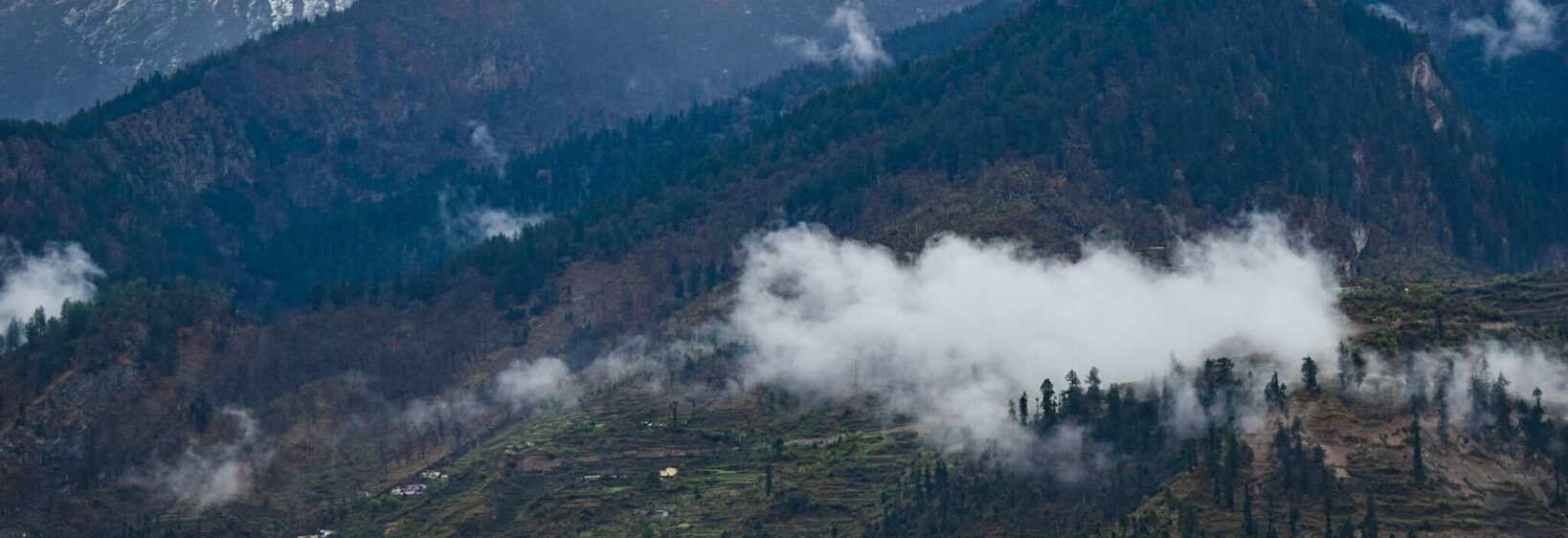
The Ghorakhal temple is located close to Bhowali and is easily included in a Nainital-area sightseeing route. The approach passes through pine-covered slopes and settlements typical of the Kumaon region. The surrounding landscape makes the journey especially attractive for travellers interested in mountain photography and rural life.
Unlike some large pilgrimage centres, this shrine retains an intimate and locally rooted atmosphere. Visitors may see families arriving for worship, people submitting petitions, and residents observing customary rituals. The temple is also an important place for understanding how folk deities continue to shape social and spiritual life in Uttarakhand.
| Feature | What Visitors May Notice |
|---|---|
| Main belief | Golu Devta is revered as a deity of justice |
| Famous offering | Metal bells tied after prayers are answered |
| Common symbol | A white horse associated with the deity |
| Location | Ghorakhal, near Bhowali in Nainital district |
| Best experience | Quiet observation, photography, and learning local customs |
| Suitable for | Pilgrims, families, culture enthusiasts, and travellers |
Planning A Visit
The temple can generally be visited during a day trip from Nainital, Bhowali, or nearby hill stations. Mornings are often suitable for those who prefer a calmer atmosphere, while festival days may be considerably busier. Visitors should allow time to walk around the shrine, observe the bells, and enjoy the mountain views rather than treating it as a quick roadside stop.
Wear comfortable footwear because the approach may include steps or uneven surfaces. Modest clothing is appropriate, and visitors should follow any instructions regarding photography, footwear, offerings, and entry into worship areas. A small contribution or locally purchased bell may be offered according to personal belief, but there is no need to imitate rituals without understanding their meaning.
Festivals And Local Traditions
Special occasions connected with Golu Devta attract large numbers of worshippers. During festival periods, the temple becomes more vibrant with devotional singing, offerings, incense, and community gatherings. The exact experience can vary according to the local calendar and the day of the visit.
The shrine also reflects the wider cultural identity of Kumaon, where village deities, seasonal celebrations, folk music, and oral traditions remain significant. Travellers who explore Uttarakhand beyond major viewpoints will find that such temples reveal the region’s character as clearly as its landscapes do.
Pairing The Shrine With A Wider Uttarakhand Journey
Ghorakhal works well as part of a broader itinerary through Nainital district. Travellers can combine it with Bhowali, Sattal, Nainital, Ranikhet, or other nearby destinations, depending on available time and road conditions. The route offers a balance of pilgrimage, scenery, village culture, and mountain leisure.
Those planning an adventure-focused trip can connect their Kumaon visit with experiences in Garhwal. For example, travellers heading toward Rishikesh may enjoy this Rishikesh rafting guide before or after exploring Uttarakhand’s quieter temple routes.
Respectful Ways To Experience Ghorakhal
A thoughtful visit helps preserve the shrine’s peaceful character and supports meaningful cultural travel.
- Keep voices low near worship areas and avoid interrupting prayers.
- Ask permission before photographing devotees, priests, or private ceremonies.
- Do not remove bells, written petitions, flowers, or other offerings.
- Follow local instructions about footwear, queues, and temple access.
- Carry waste back with you and protect the surrounding forested landscape.
The Golu Devta shrine at Ghorakhal is memorable because it feels both sacred and deeply connected to everyday life. Its bells tell stories of hope, justice, gratitude, and generations of Kumaoni faith. Add this distinctive temple to a Uttarakhand journey, spend time observing its traditions, and let the hills around Ghorakhal reveal a quieter side of the region.