Trekking the Valley of Flowers: When to Go and What to Pack
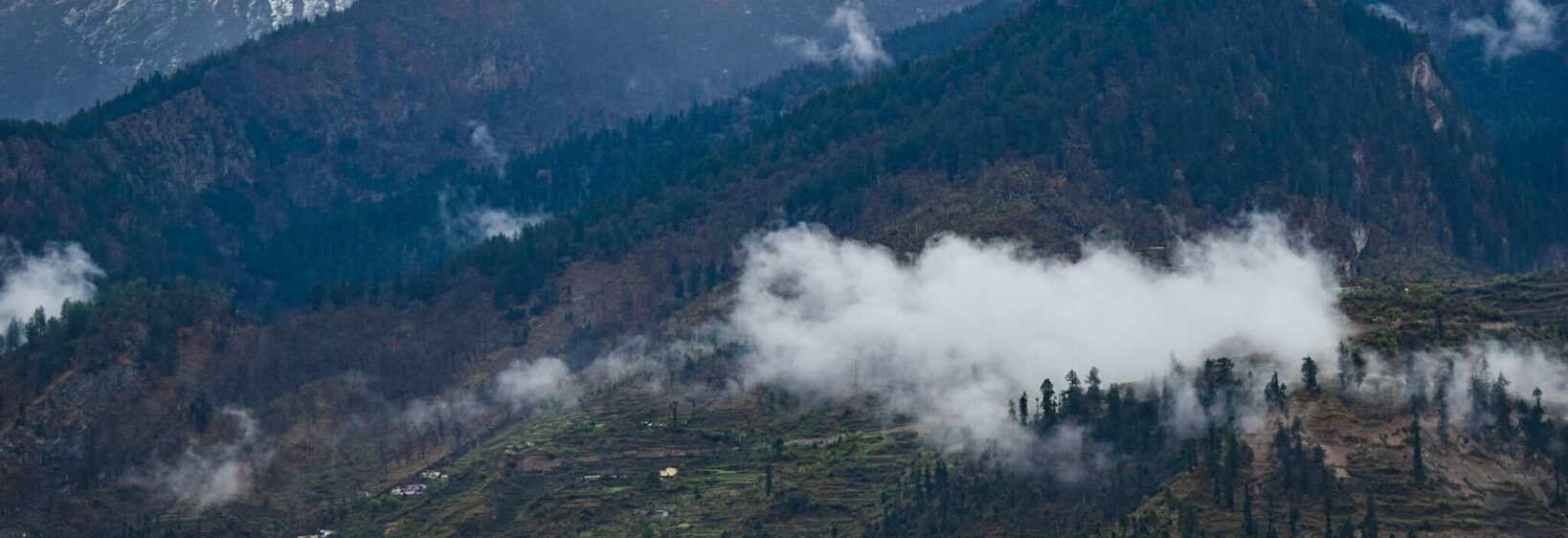
The Valley of Flowers National Park is one of Uttarakhand’s most remarkable Himalayan destinations. Set in the Nanda Devi Biosphere Reserve, it combines alpine meadows, snow-covered peaks, glacial streams, and hundreds of flowering plant species in a landscape that feels especially vivid during the monsoon.
Reaching the valley requires a steady mountain trek rather than a short sightseeing walk. The usual route passes through Govindghat, Poolna, and Ghangaria before entering the national park. Careful timing, suitable clothing, and realistic planning make the experience safer and more enjoyable.
For visual travel stories about Uttarakhand’s landscapes and local culture, browse Uttarakhand travel stories before planning your route.
The Best Months For The Trek
The trekking season generally runs from mid-June to late September, although opening and closing dates can change according to snowfall, weather, and official park conditions. July and August are usually the best months for seeing the valley in full bloom, with colourful carpets of orchids, primulas, blue poppies, cobra lilies, and other alpine flowers.
July also brings frequent rain, which can make paths slippery and streams stronger. Late August and early September often offer a quieter experience, and many flowers remain visible, but the landscape may look less lush in some areas. June is appealing for fewer visitors and fresh greenery, though snow can still block higher sections of the trail.
Understanding The Route
Most visitors travel by road to Govindghat and then continue to Poolna, where the walking section begins. The trek to Ghangaria is approximately 10 to 12 kilometres from Poolna, depending on the route and current road access. Ghangaria serves as the base village for both the Valley of Flowers and Hemkund Sahib.
From Ghangaria, the valley entrance is roughly 3 to 4 kilometres away, followed by a longer trail through the meadows. The route includes stone paths, bridges, steep stretches, and uneven ground. Plan at least one full day for exploring the valley, allowing time to walk slowly, photograph the scenery, and return before weather conditions deteriorate.
Weather, Permits, And Trail Conditions
Mountain weather can change rapidly. A clear morning may become cloudy and rainy within hours, while cold winds can develop near exposed ridges. Entry to the national park requires a permit and an entrance fee, and visitors must follow restrictions on camping, litter, plastic, and collecting plants. Confirm current rules at the official entry point or with a registered local guide.
The park is generally accessed during daylight hours, and visitors should respect the designated trail. Mobile connectivity may be limited around Ghangaria and absent along parts of the route. Arrange accommodation, transport, and emergency contacts in advance rather than relying on last-minute availability during the busy pilgrimage and trekking season.
| Item | Recommended Choice | Why It Matters |
|---|---|---|
| Footwear | Waterproof trekking shoes with ankle support | Helps on wet stones, mud, and uneven paths |
| Rain protection | Poncho or waterproof jacket and pack cover | Monsoon showers can arrive without warning |
| Clothing | Quick-dry layers, fleece, and warm base layer | Temperatures vary between valley and base village |
| Sun protection | Hat, sunglasses, and high-SPF sunscreen | UV exposure is strong at high altitude |
| Navigation | Offline map, charged phone, and power bank | Network coverage can be unreliable |
| Health supplies | Personal medicines, blister care, and basic first aid | Useful when shops and clinics are limited |
What To Pack For Changing Conditions
Layering is more practical than carrying one heavy jacket. Pack moisture-wicking innerwear, a fleece or light insulated layer, and a waterproof outer shell. Quick-drying trousers are preferable to denim, which becomes heavy and cold when wet. Carry at least two pairs of trekking socks and keep one dry pair protected inside your backpack.
A durable backpack cover, reusable water bottle, sunglasses, sunscreen, lip balm, and a small towel are useful additions. Trekking poles can reduce pressure on the knees during descents. Pack snacks such as nuts, energy bars, or dried fruit, but carry all wrappers back to the proper disposal point.
Staying Comfortable At High Altitude
Ghangaria sits at roughly 3,000 metres, while the Valley of Flowers rises to about 3,500 metres in places. Walk at a relaxed pace and drink water regularly. Headache, unusual tiredness, nausea, dizziness, or breathlessness can indicate altitude-related discomfort. Rest immediately and seek medical assistance if symptoms worsen.
Avoid treating the trek as a race. A gradual ascent, adequate sleep, and light meals can help the body adjust. Visitors with heart, lung, or other serious medical conditions should obtain professional medical advice before travelling to high altitude.
Responsible Travel In The Himalayas
The valley is a protected ecosystem, so responsible behaviour is essential. Do not pick flowers, disturb wildlife, play loud music, or leave food waste along the trail. Refill water where safe, avoid single-use plastic, and use designated accommodation and waste facilities in Ghangaria.
Local porters, guides, drivers, homestays, and small restaurants form an important part of the region’s tourism economy. Hiring registered support, paying fairly, and respecting local customs can make the journey more meaningful while helping mountain communities benefit from tourism.
Practical Packing Priorities
A lighter bag is easier to manage on steep Himalayan paths. Give priority to items that protect against rain, cold, sun, and minor injuries rather than carrying unnecessary equipment.
- Waterproof trekking shoes with reliable grip
- Layered clothing, spare socks, gloves, and a warm cap
- Rain cover, poncho, dry bags, and quick-dry trousers
- Water bottle, personal medicines, snacks, sunscreen, and first-aid supplies
- Identity documents, permits, cash, power bank, and offline maps
Check the weather and park advisories shortly before departure, reserve your stay in Ghangaria, and begin each walking day early. With thoughtful preparation and respect for the fragile alpine environment, this Himalayan trek can become a memorable part of your Uttarakhand journey.