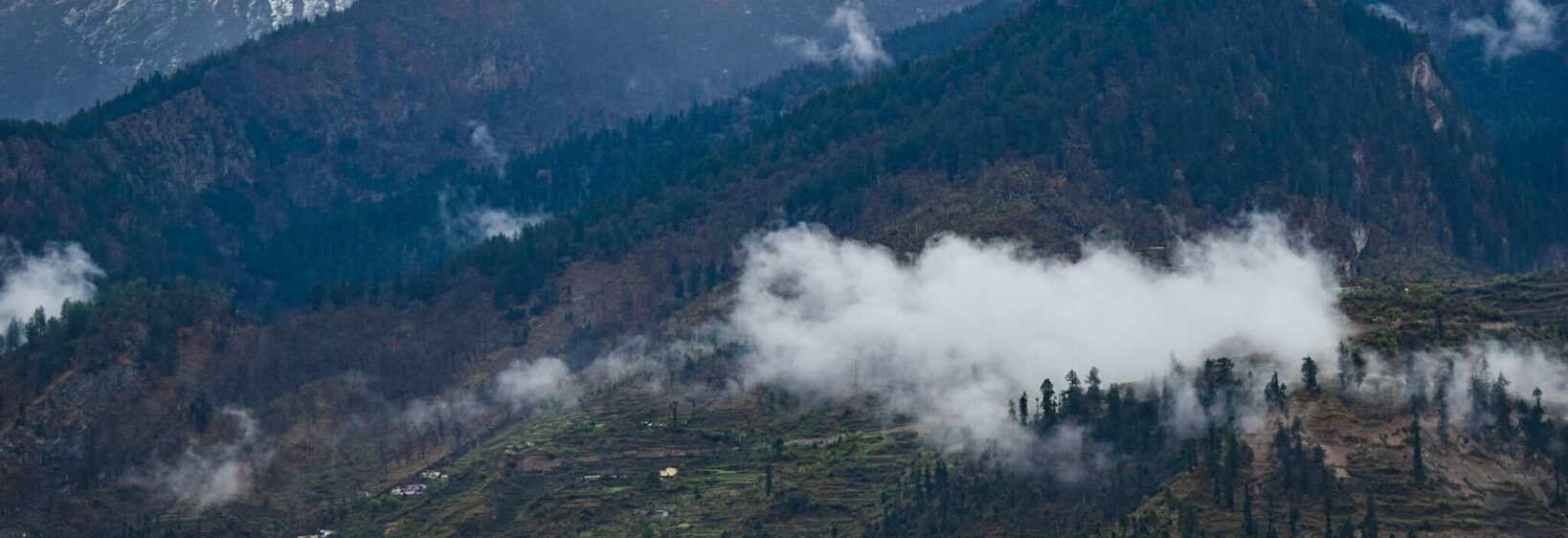
Camping by the Ganges Near Rishikesh
The Ganges leaves the hills around Rishikesh in a rush of clear, cool water, making the area a memorable setting for an outdoor break. Riverside camps combine forest views, fresh air, adventure sports, and quiet evenings beneath the Himalayan sky.
The best camping areas are generally found north of the city, along the road toward Shivpuri, Marine Drive, Byasi, and Kaudiyala. Each location has a different character, from lively rafting hubs to peaceful forest retreats. Choosing the right stretch of river can make a significant difference to your stay.
Before booking, check the camp’s access, facilities, safety standards, and seasonal operation. For more visual inspiration about Uttarakhand’s landscapes and local destinations, explore the UK Photos Gallery while planning your journey.
Choosing the right riverside setting
Shivpuri is among the most convenient choices for visitors who want a short transfer from Rishikesh. Camps here often attract groups, families, and first-time rafters. The atmosphere can be energetic, with adventure activities, shared dining areas, and organised evening entertainment.
Byasi and Marine Drive are better suited to travellers looking for a more scenic escape. The river is often framed by steep wooded slopes, while the surrounding roads lead toward quieter Himalayan villages. Kaudiyala lies farther away and usually appeals to visitors who want a secluded base near some of the region’s best white-water rafting stretches.
Riverside camps worth considering
Brahmapuri is close to Rishikesh and is known for gentler rafting routes, making it suitable for beginners and families. Shivpuri provides a good balance between accessibility and outdoor activity, while Marine Drive offers attractive river views and a more relaxed camping atmosphere.
Byasi is popular with adventure travellers because of its stronger rapids and remote setting. Phool Chatti, located farther along the Ganges, is known for a quieter mood and proximity to forested hills. Facilities vary considerably, so confirm whether the camp uses fixed cottages, canvas tents, or seasonal structures.
| Camping area | Best suited to | Main appeal | Things to check |
|---|---|---|---|
| Brahmapuri | Families and beginners | Easy access and gentle rafting | Noise levels and activity schedule |
| Shivpuri | First-time campers and groups | Convenient location and adventure packages | Crowd levels and tent facilities |
| Marine Drive | Couples and relaxed travellers | Scenic river bends and forest views | Road access and meal arrangements |
| Byasi | Rafters and experienced outdoor visitors | Stronger rapids and mountain scenery | Safety procedures and mobile signal |
| Kaudiyala | Seclusion seekers and adventure groups | Remote surroundings and dramatic landscape | Transport, power supply, and seasonal access |
What a typical camp stay includes
Most riverside camping packages include a tent, bedding, meals, evening tea, and access to shared washrooms. Better-equipped properties may offer attached bathrooms, electricity, wooden decks, hot water, and cottages designed for longer stays. Ask for recent photographs rather than relying only on promotional descriptions.
Many operators combine accommodation with river rafting, cliff jumping, body surfing, trekking, or a short forest walk. Bonfires may be available during permitted seasons, although local rules and weather conditions can restrict them. A quiet camp with fewer activities may be a better choice for photography, reading, or simply listening to the river.
When to go and what to pack
The most comfortable camping season generally runs from late September through June, with spring and early summer offering pleasant daytime conditions. October and November bring clear mountain views, while March to May is suitable for rafting and outdoor excursions. Winter nights can be cold, especially in open tents.
The monsoon season brings heavy rain, slippery roads, and a higher risk of rising water. Many camps close or suspend riverside operations during this period. Pack layered clothing, sturdy shoes, sunscreen, insect repellent, a reusable water bottle, a torch, and a waterproof bag for electronics.
A simple booking checklist
A responsible operator should explain river conditions, activity risks, emergency procedures, and transport arrangements before arrival. Avoid camps that place tents too close to the active riverbank or encourage guests to enter the water without trained guides and proper equipment.
Use this checklist before confirming a reservation:
- Verify the camp’s exact location and road access.
- Ask whether meals, rafting, taxes, and transfers are included.
- Confirm bathroom facilities, electricity, and mobile connectivity.
- Check the cancellation policy for rain, flooding, or government restrictions.
- Read recent guest reviews about cleanliness and staff conduct.
Experience local culture beyond the campsite
A riverside stay becomes richer when combined with time in Rishikesh’s spiritual and cultural areas. Visit the ghats in the early morning, attend an evening Ganga Aarti, and explore temples, ashrams, cafés, and local markets at a respectful pace. The city’s yoga traditions and pilgrimage heritage are closely connected to the river.
Travellers can also plan short outings to waterfalls, forest trails, nearby villages, or viewpoints along the Himalayan road. Keep noise low, avoid single-use plastic, and never leave food waste near the water. Respecting local customs and natural habitats helps preserve the character that makes this region special.
Choose a campsite that matches your preferred pace, reserve with a transparent local operator, and allow enough time for both adventure and rest. With thoughtful planning, a night beside the Ganges can become one of the most memorable parts of a Uttarakhand journey.