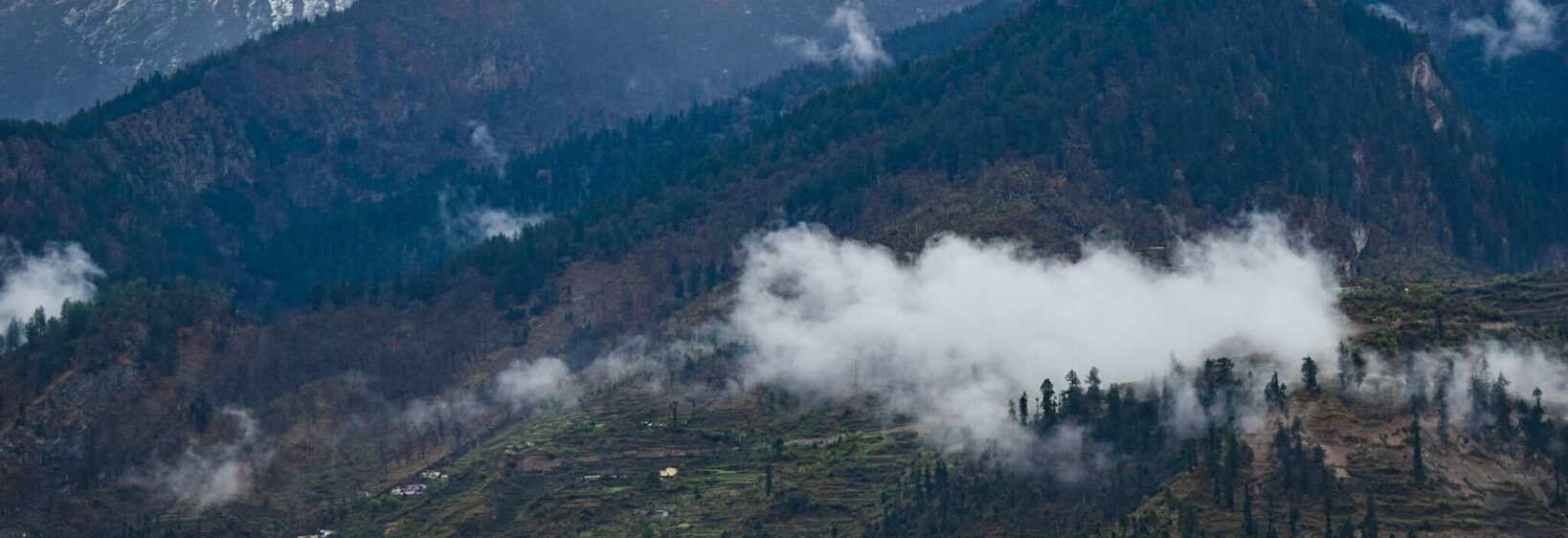
The Ancient Temples of Joshimath: A Pilgrim’s Photo Journey
Joshimath, also known as Jyotirmath, rests among the high valleys of Chamoli in Uttarakhand. It is a gateway to Badrinath, Auli, Valley of Flowers, and several remote Himalayan shrines, yet the town itself holds a deep religious history. Its temples, sacred trees, stone courtyards, and mountain views create a memorable setting for a pilgrim’s photo journey.
The spiritual character of Joshimath is closely connected with Adi Shankaracharya and the northern seat of the Dashanami tradition. Every shrine has its own rhythm: bells at dawn, lamps before the inner sanctum, priests preparing offerings, and pilgrims arriving with quiet devotion. Photography here becomes a way to observe, rather than simply collect images.
Sacred Geography Of Jyotirmath
Joshimath stands at the meeting point of the Alaknanda and Dhauliganga river valleys. The surrounding slopes rise sharply toward snow-covered peaks, while the town’s narrow roads lead to old shrines and monasteries. This dramatic geography gives even a short temple walk a sense of pilgrimage.
The best time for photographs is usually early morning, when the light is soft and the streets are less crowded. Mist around the hills, incense smoke near a shrine, and the warm glow of oil lamps can add atmosphere without distracting from the sacred setting.
Narsingh Temple And Winter Worship
Narsingh Temple is the most prominent shrine in Joshimath. Dedicated to Lord Narsingh, an incarnation of Vishnu, it is especially important because the image of Lord Badrinath is traditionally brought here during the winter closure of the Badrinath Temple. For many devotees, this makes Joshimath a living continuation of the Badrinath pilgrimage.
The temple’s traditional architecture, wooden details, brass bells, and devotional activity offer meaningful photo subjects. Avoid photographing worshippers at close range without permission, and keep the camera discreet during rituals. A respectful image of the temple entrance or courtyard often communicates more than a staged portrait.
Vasudeva Temple And Ancient Shrines
Vasudeva Temple is another important religious site in the town. Its association with Lord Krishna and Vishnu traditions adds another layer to Joshimath’s sacred landscape. The calm interiors, carved elements, and flower offerings invite careful observation rather than hurried sightseeing.
Nearby shrines and small sanctums may appear modest compared with larger pilgrimage temples, but they often preserve the strongest sense of local devotion. Look for details such as marigold garlands, copper vessels, painted doors, and prayer flags. These small visual elements help tell the story of everyday religious life in the Himalayas.
A Visual Guide To The Main Sites
| Sacred Site | Religious Importance | Photo Highlights | Visit Note |
|---|---|---|---|
| Narsingh Temple | Winter seat connected with Badrinath worship | Bells, entrance, lamps, traditional details | Follow temple restrictions |
| Vasudeva Temple | Shrine associated with Vishnu and Krishna traditions | Offerings, architecture, courtyard scenes | Keep a quiet presence |
| Kalpavriksha | Ancient sacred tree linked with Shankaracharya | Textured bark, shrine setting, prayer activity | Do not touch or climb |
| Shankaracharya Cave | Associated with the spiritual history of Jyotirmath | Stone surfaces and nearby religious spaces | Use low-light care |
| Bhavishya Badri | Remote pilgrimage shrine near Joshimath | Mountain trail, village life, forest landscape | Plan as a separate excursion |
A useful walking route begins near Narsingh Temple and continues toward Vasudeva Temple and the old spiritual landmarks. Distances can seem short on a map, but steep lanes and altitude may slow the journey, especially for older pilgrims.
Visitors planning a wider Uttarakhand trip can also browse Uttarakhand photo stories for visual ideas covering mountain destinations, temples, local culture, and travel routes.
Kalpavriksha And The Shankaracharya Legacy
The ancient Kalpavriksha is traditionally associated with Adi Shankaracharya, who is believed to have meditated beneath it. The tree has become one of Joshimath’s most evocative sacred landmarks. Its aged trunk and spreading branches create a powerful subject when photographed with the surrounding shrine and mountain light.
The Shankaracharya tradition gives Jyotirmath significance beyond its role as a transit town. Spend time noticing the contrast between ancient religious memory and modern pilgrimage infrastructure. A wide composition can include the temple path, old buildings, and distant ridges, while a closer frame can focus on texture, ritual objects, or a lamp flame.
Photography Etiquette For Pilgrims
Temple photography requires sensitivity. Some sanctums prohibit cameras and mobile phones, while others allow exterior photographs only. Ask a priest or caretaker before taking pictures, avoid flash near idols, and never interrupt a prayer, procession, or offering for a better angle.
Useful practices for a respectful visit include:
- Carry a compact camera or phone with silent mode enabled.
- Dress modestly and remove footwear wherever required.
- Photograph architecture and surroundings before focusing on people.
- Keep paths and entrances clear during busy worship hours.
- Save portraits of priests, pilgrims, and residents for moments when permission is given.
Planning A Meaningful Temple Walk
Joshimath can be visited throughout much of the year, but weather conditions vary quickly. Winter brings a different devotional atmosphere because of the seasonal connection with Badrinath, while spring and autumn often provide clearer mountain views. Monsoon travel requires extra care because landslides can affect roads in the wider Garhwal region.
Stay hydrated, allow time for acclimatisation, and wear shoes suitable for uneven lanes. If extending the pilgrimage to Bhavishya Badri or nearby villages, arrange local transport and confirm trail conditions in advance. A slow itinerary leaves room for conversation, observation, and photographs that feel connected to place.
Let the temple bells, river valleys, and mountain shrines guide your next Uttarakhand journey. Visit Joshimath with patience and respect, and preserve its sacred character through thoughtful travel and attentive photography.