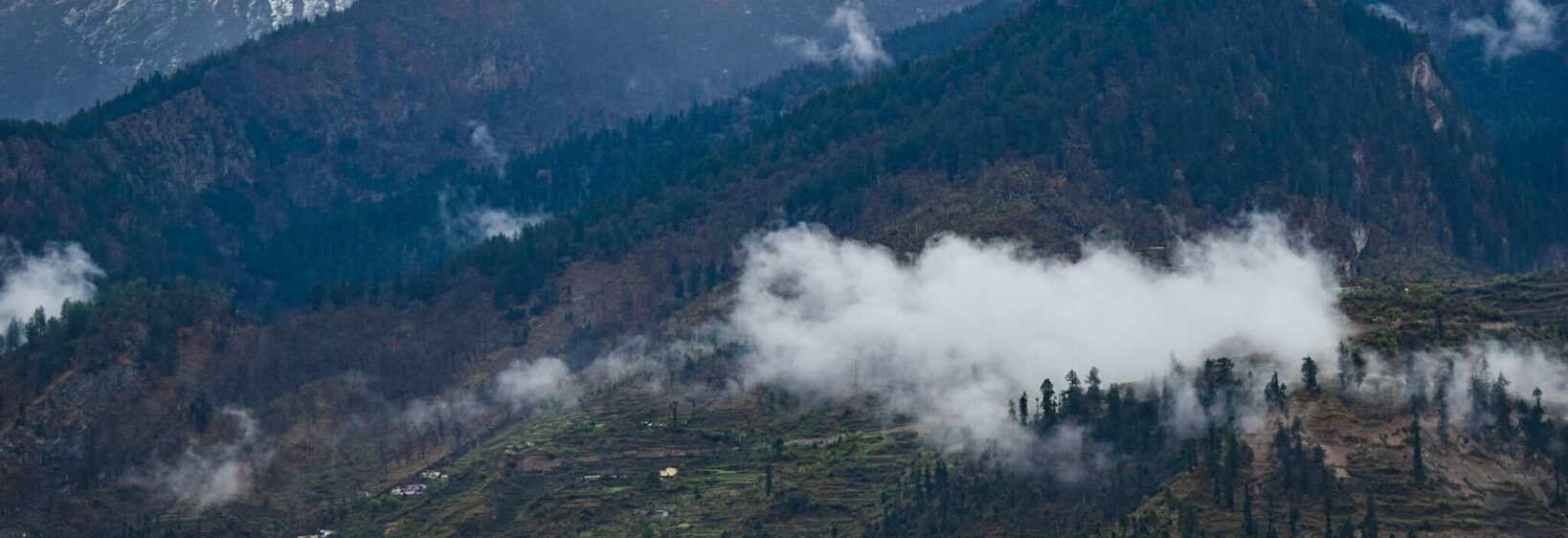
A guide to the Kedarnath trek: routes, permits, and photography tips
Kedarnath is one of Uttarakhand’s most moving Himalayan journeys, combining a demanding mountain walk with a deeply respected pilgrimage. The trail leads through forests, steep valleys, glacial streams, and high-altitude landscapes before reaching the stone temple dedicated to Lord Shiva.
The classic trek begins at Gaurikund, the last road-accessible point on the route. From there, pilgrims and trekkers follow a well-marked path to Kedarnath, usually taking six to nine hours depending on fitness, weather, crowd levels, and rest stops.
Good preparation makes the experience safer and more rewarding. Check the opening dates, register for the yatra, pack for rapidly changing weather, and plan photography around the movement of people, temple customs, and mountain conditions.
Choosing the right route
The traditional Gaurikund–Kedarnath path is approximately 16 to 18 kilometres one way, although the distance can vary after repairs or route realignment. The trail passes through key points such as Jungle Chatti, Bheembali, Linchauli, and Kedarnath Base Camp. These sections offer accommodation, food stalls, medical assistance, and resting areas during the pilgrimage season.
Many travellers divide the ascent into two days, staying near Linchauli or Kedarnath Base Camp. Strong walkers may complete it in one day, but an early start is essential. Helicopter services operate from selected locations, while ponies, palkis, and porters are available for travellers who need assistance.
| Route option | Typical duration | Best suited to | Main considerations |
|---|---|---|---|
| Gaurikund to Kedarnath on foot | 6–9 hours | Fit trekkers and pilgrims | Steep sections, altitude, weather |
| Two-day walking journey | 1–2 days | Leisurely travellers | Easier pacing and overnight rest |
| Pony or palki service | Varies | Travellers needing support | Book through authorised operators |
| Helicopter transfer | A few minutes in the air | Time-conscious visitors | Weather delays and baggage limits |
Registration and permits
There is generally no separate wilderness permit for the standard pilgrimage trail, but yatra registration is required. Visitors should complete registration through the official Uttarakhand pilgrimage system or an authorised centre, carry valid identification, and follow any health-screening requirements announced for the season.
Rules can change because of landslides, heavy snowfall, crowd management, or public safety concerns. Keep a printed and digital copy of your registration details, and check notices before leaving Haridwar, Rishikesh, Sonprayag, or Guptkashi. Biometrics, RFID procedures, medical certificates, and route passes may be introduced or adjusted by local authorities.
Planning transport and accommodation
Most journeys pass through Rishikesh or Haridwar before continuing to Rudraprayag, Guptkashi, Sonprayag, and Gaurikund. Shared jeeps are common, but road travel can take longer than expected because of traffic, repairs, and monsoon-related disruption. Sonprayag is usually the practical base for arranging onward transport to Gaurikund.
Accommodation ranges from hotels and guesthouses in lower towns to tents, lodges, and community facilities near the trekking route. Reserve early during the peak pilgrimage period. Keep one buffer day for delays, especially if your itinerary includes a helicopter flight or a fixed return train.
For broader destination ideas and visual travel stories from the region, browse the Uttarakhand travel gallery before finalising your route.
What to pack for the mountain trail
Layered clothing is more useful than one heavy jacket. Pack thermal wear, a fleece, a waterproof outer shell, woollen socks, gloves, a cap, sunglasses, sunscreen, and a lightweight rain cover. Waterproof trekking shoes with good grip are strongly preferable to casual trainers.
Carry a refillable water bottle, basic medicines, personal prescriptions, blister treatment, snacks, a headlamp, power bank, and a small first-aid kit. Keep your backpack light, protect important documents in a waterproof pouch, and avoid carrying single-use plastic. Oxygen levels drop at altitude, so walk slowly and allow time to acclimatise.
Photography tips for Kedarnath
The finest light often appears shortly after sunrise, when the peaks glow and the trail is less crowded. Linchauli, the Mandakini valley, and the approach to the base camp can provide dramatic landscape views. Use a wide-angle lens for mountain scenes and a short telephoto lens for compressed ridgelines, prayer flags, and distant slopes.
Weather changes quickly, so protect cameras and phones with dry bags or zip pouches. Cold reduces battery life; carry a spare battery close to your body. A small tripod can help in low light, but avoid slowing busy sections of the trail or blocking other pilgrims.
Photography around the Kedarnath Temple should remain respectful. Follow restrictions inside sacred areas, ask before photographing local residents, porters, sadhus, or rituals, and never use a drone without explicit permission. Leave the landscape undisturbed and avoid stepping into unsafe edges for a dramatic frame.
Health, safety, and responsible travel
Altitude sickness can affect even experienced hikers. Headache, nausea, unusual fatigue, dizziness, or breathlessness should be taken seriously. Rest, hydrate gradually, and descend or seek medical help if symptoms worsen. Do not treat severe symptoms as ordinary tiredness.
Stay with your group, follow official closures, and avoid walking after dark. Weather forecasts are useful but cannot replace local advice. Respect queue systems, keep noise low near the temple, dispose of waste properly, and use authorised transport and accommodation providers.
Practical preparations
- Complete pilgrimage registration and carry valid photo identification.
- Start the trek early, with enough water, food, and weather protection.
- Wear broken-in trekking shoes and pack medicines for personal needs.
- Keep camera equipment light, dry, and ready for changing light.
- Check official route, weather, transport, and accommodation updates before departure.
Kedarnath rewards patience and preparation: the trail is physically demanding, yet every bend reveals a new view of the high Himalaya and its living spiritual traditions. Save your registration documents, organise a flexible itinerary, and set out with respect for the mountains, local communities, and fellow pilgrims.