Photographing The Kumaoni Wedding Rituals In Almora’s Villages
A Kumaoni wedding in Almora’s villages is a meeting of family, faith, music, colour, and mountain life. The most meaningful photographs come from observing how these elements connect rather than treating the ceremony as a collection of staged portraits.
Village weddings may include distinctive customs such as Aipan designs, bright pichora shawls, ceremonial entrances, traditional songs, temple visits, and intimate exchanges between relatives. Practices differ from one community to another, so a photographer should arrive with curiosity and leave room for local guidance.
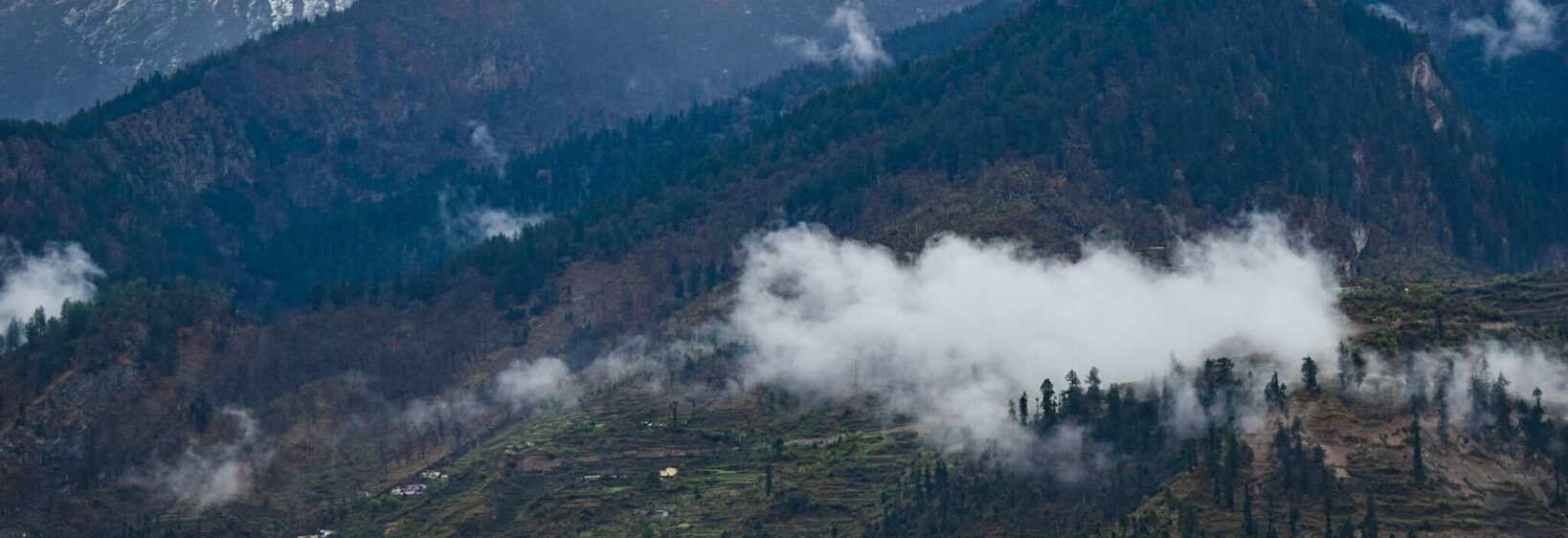
The setting is part of the story. Slate-roofed homes, terraced fields, deodar trees, brass vessels, cooking fires, and narrow lanes can give the final photo collection a strong sense of place. Good preparation helps preserve these details without interrupting the rituals.
Read The Ceremony Before Raising Your Camera
Speak with the couple or a family representative before the wedding begins. Ask which moments are private, when photography is restricted, and who can explain the order of events. This is especially important during prayers, offerings, blessings, and rituals involving elders.
Spend the first few minutes watching rather than shooting continuously. Notice where family members gather, how guests move between rooms, and which doorway or courtyard provides the clearest view. A quiet photographer is more likely to capture natural expressions and unguarded interactions.
Work With Mountain Light And Village Spaces
Almora’s highland light can change quickly. Morning ceremonies may have cool shadows, while afternoon sun creates strong contrast around courtyards and whitewashed walls. Use exposure compensation carefully and protect bright pichora fabric from overexposure.
Interior rooms are often narrow, with mixed light from windows and household bulbs. A fast prime lens can create softer backgrounds while keeping the camera unobtrusive. For broader environmental images, study visual approaches used in other Uttarakhand landscapes, such as this Khaliya Top trek guide, where scale and natural layers help tell a regional story.
Build A Visual Story, Not Just A Shot List
A complete wedding gallery should move between detail, atmosphere, action, and emotion. Photograph the preparation of jewellery and clothing, hands arranging Aipan patterns, musicians tuning instruments, guests greeting one another, and children observing the celebration.
Use a mixture of horizontal and vertical frames. Wide images establish the village setting, medium shots show relationships, and close-ups preserve textures such as woven fabric, turmeric, flowers, painted designs, and ceremonial objects. Avoid photographing every moment from the same height or distance.
| Wedding moment | Useful approach | Story value |
|---|---|---|
| Preparation | Close details and quiet portraits | Shows anticipation and family work |
| Procession | Wide frame with movement | Connects the celebration to the village |
| Ritual blessings | Longer lens from a respectful distance | Preserves emotion without intrusion |
| Music and dance | Fast shutter speed and varied angles | Captures rhythm and shared energy |
| Couple portraits | Soft shade near a home or field | Creates a relaxed sense of place |
Choose Equipment For Movement And Quiet Moments
A two-lens setup is often practical: a wide-angle lens for rooms, processions, and group portraits, and a normal or short telephoto lens for expressions from a respectful distance. Carry spare batteries and memory cards because remote villages may have limited charging access.
Use continuous autofocus for the baraat, dancing, and spontaneous greetings, but switch to a single focus point for portraits and still-life details. Burst mode can help with movement, although careful timing is preferable to filling cards with nearly identical frames.
A small flash may be useful indoors, but direct flash can flatten the atmosphere and distract participants. When permitted, bounce it from a neutral ceiling or wall. Otherwise, raise the ISO and preserve the natural warmth of the room.
Photograph With Consent And Cultural Care
A wedding photographer is also a guest in a family’s important ceremony. Ask before making close portraits, especially of older relatives, women preparing for rituals, and anyone who appears uncomfortable. Do not block priests, musicians, or family members during significant moments.
Keep clothing and movement unobtrusive, and avoid standing on ritual materials or entering restricted spaces. Clarify whether images may be shared online. Some families welcome public storytelling, while others prefer private albums or limited social media use.
Practical Habits For A Stronger Wedding Gallery
Before the ceremony, prepare a simple working plan that protects both coverage and respect:
- Meet the family contact and learn the ceremony schedule.
- Photograph local details without removing or rearranging them.
- Leave clear space around rituals, entrances, and musicians.
- Make time for group portraits before guests become tired.
- Record names, locations, and cultural explanations for future captions.
Preserve The Story Beyond The Wedding Day
Editing should retain the character of the village rather than imposing an artificial style. Keep skin tones natural, preserve the warm colours of traditional clothing, and avoid excessive clarity or saturation. A consistent sequence will help viewers move from preparation to ceremony, celebration, and farewell.
Captions can add valuable context when they are based on information from the family or local community. Explain an Aipan motif, identify a village landscape, or describe a musical tradition without presenting assumptions as fact. Landscape and heritage photography can also benefit from the observational approach found in this Joshimath waterfall guide, where place becomes part of the memory.
Use these methods to create a respectful visual record of Kumaoni wedding traditions, and share the finished gallery with the couple and community in a way that honours their story.