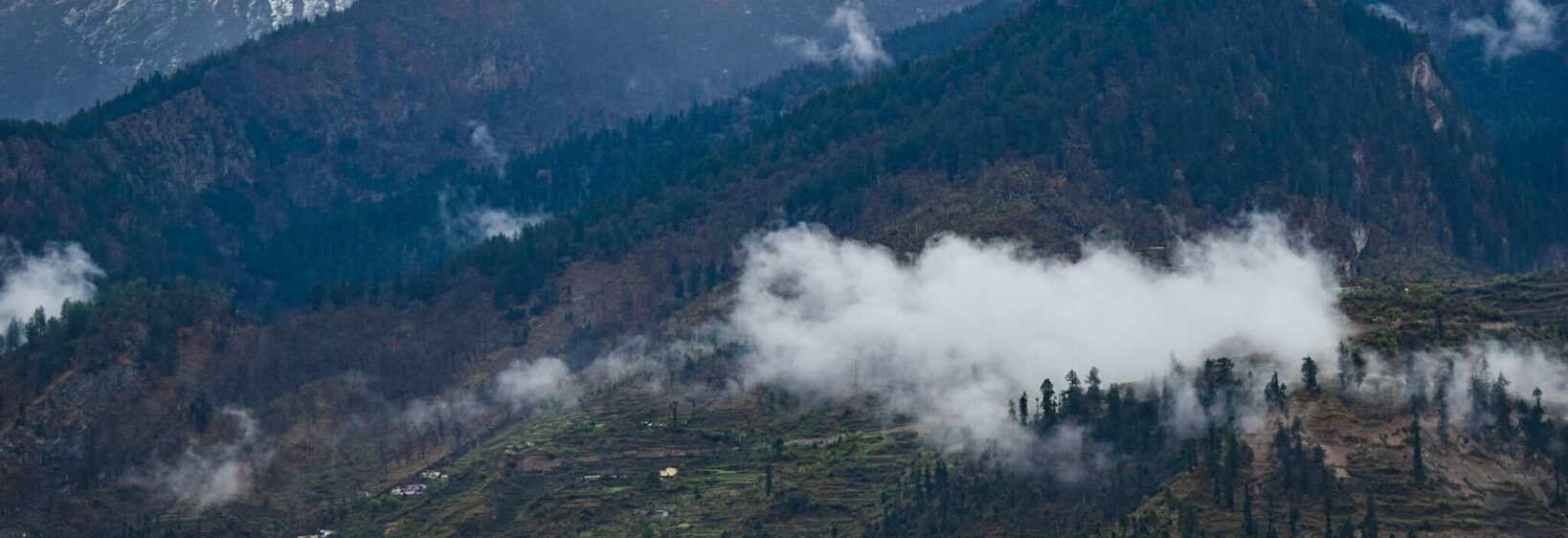
Binsar Wildlife Sanctuary in Morning Light
Binsar Wildlife Sanctuary, tucked into the Kumaon hills near Almora, is a peaceful destination for travellers who enjoy forests, mountain views, and bird photography. Its oak, rhododendron, and pine habitats create a rich setting for photographing Himalayan species as the first light filters through the canopy.
Early morning is especially rewarding. Mist can settle between the trees, sunbeams illuminate moss-covered branches, and birds become active around forest edges and quiet clearings. With patience and careful observation, a short walk can produce a varied collection of landscape and wildlife images.
Why the first hours matter
The hours after sunrise offer soft, directional light that gives depth to woodland scenes. Instead of harsh overhead brightness, the forest is shaped by long shadows and warm highlights. This is an ideal time to photograph tree textures, distant ridgelines, spider webs, and birds perched on exposed branches.
Bird activity also tends to be higher in the morning. Himalayan bulbuls, blackbirds, tits, woodpeckers, laughingthrushes, and other woodland species may appear while feeding or calling. Their movements are unpredictable, so a quiet approach and a ready camera are more useful than rushing from one location to another.
Finding promising habitats
The sanctuary’s forest trails and open viewpoints offer different photographic opportunities. Dense oak woodland is suitable for close portraits and atmospheric images, while forest margins often attract birds searching for insects and berries. Viewpoints around the sanctuary can reveal the greater Himalayan range when the air is clear.
Ask local staff or a naturalist about recent sightings, flowering trees, and safe walking routes. Conditions change with season and weather, so local knowledge can save time. Visitors exploring the wider region can also find useful destination ideas through Uttarakhand photo guides before building a route around Binsar.
Camera settings for woodland scenes
Low light under the canopy can make autofocus and shutter speed difficult to manage. A telephoto lens in the 300–600 mm range is useful for distant birds, while a shorter zoom can capture habitat portraits and wider forest views. A monopod may provide support without slowing movement on narrow trails.
| Subject | Useful starting point | Practical note |
|---|---|---|
| Perched bird | 1/1000 sec, f/5.6–f/8 | Raise ISO when branches move in the breeze |
| Bird in flight | 1/1600 sec or faster | Use continuous autofocus and burst mode |
| Forest landscape | 1/125 sec, f/8–f/11 | Stabilise the camera and watch bright sky areas |
| Backlit leaves or mist | 1/500 sec, f/5.6–f/8 | Check highlights and slightly reduce exposure |
| Distant mountain view | 1/250 sec, f/8–f/11 | Shoot when haze is lowest, usually early |
Shoot in RAW so that shadow detail and subtle morning colours can be adjusted later. Exposure compensation is helpful when a dark bird is framed against a bright sky, while spot metering can assist with a small subject surrounded by foliage.
Photographing birds responsibly
Wildlife photography should leave the forest as quiet as it was found. Avoid playback calls, bait, chasing, or repeated approaches that force a bird to fly away. Keep a respectful distance, remain on established paths where possible, and never block a feeding site or nest area for a better frame.
Muted clothing and slow movements make observation easier. Turn off loud camera sounds when permitted, and carry binoculars so that not every sighting requires a close photograph. The strongest images often come after several minutes of stillness, when birds resume natural behaviour.
Seasonal changes in the sanctuary
Spring brings fresh foliage and rhododendron colour, creating attractive backgrounds for bird portraits. Summer mornings can be clear and comfortable, although midday haze may reduce distant mountain visibility. The monsoon months produce lush vegetation and dramatic cloud, but wet trails require extra care and weather protection for equipment.
Autumn and winter often provide crisp views of snow-covered Himalayan peaks. Winter mornings can be cold, and batteries lose power quickly in low temperatures, so keep spares in an inner pocket. Migratory visitors may add interest to the bird list, while leafless or thinner branches can make some species easier to spot.
A simple morning photography routine
A planned routine helps photographers make the most of limited daylight. Reach the entry area before sunrise, check batteries and memory cards, and begin with a slow walk rather than immediately searching for rare species. Listen for calls, watch movement between branches, and pause at natural viewpoints.
- Carry binoculars, spare batteries, water, and a lens cloth.
- Use a telephoto lens with a protective rain cover.
- Record the date, habitat, and approximate location of each sighting.
- Keep food, plastic, and loud equipment securely packed away.
- Allow extra time for the return journey before trails become busy.
Turning photographs into lasting memories
A successful Binsar visit does not depend on photographing a famous or uncommon bird. A sequence showing changing light, forest habitat, local landscapes, and small details can tell a more complete story of the sanctuary. Include a few wide images to establish place, then balance them with carefully observed close-ups.
Respect for the landscape should remain central to every frame. When visitors move gently through the forest, support local guides, and protect the habitat from disturbance, photography becomes a way to celebrate Binsar rather than consume it.
Plan an early start, check local access conditions, and keep your camera ready for the quiet moments when birds, mist, and Himalayan light come together.