A Photo Walk Through Old Mussoorie’s Library Bazaar
A photo walk through the lanes of Old Mussoorie’s Library Bazaar reveals a quieter side of the hill station. Beyond the busy shops and familiar Mall Road views, narrow passages lead to old façades, small shrines, hillside homes, bakeries, and everyday scenes shaped by mountain life.
Library Bazaar is a rewarding place for street photography because its character changes with every turn. Morning light falls across painted shutters, shopkeepers arrange goods outside their doors, and walkers move between colonial-era buildings and newer cafés. The result is a living picture of Mussoorie rather than a simple collection of tourist landmarks.
Carry a comfortable camera or phone, wear shoes with a firm grip, and allow at least two hours for an unhurried walk. The best photographs often come from waiting patiently instead of moving quickly from one attraction to the next.
Starting At Library Chowk
Begin near Library Chowk, the traditional western end of the Mall Road. The area is lively, with taxis, vendors, hotels, and pedestrians creating layers of movement. A wide-angle lens can capture the steep backdrop and busy road, while a standard lens is better for portraits, shopfronts, and architectural details.
From the square, move into the older lanes at a relaxed pace. Look for contrasts between weathered stone, colourful signboards, iron railings, and freshly painted walls. These small differences give the bazaar its visual rhythm and help tell the story of a town that has grown over generations.
Finding Stories In Everyday Details
The strongest images may be found in ordinary scenes: a kettle steaming outside a tea stall, woollens hanging from a doorway, or a resident sweeping a threshold. Such photographs work best when they retain the surroundings, showing how each person or object belongs to the street.
Ask before photographing identifiable people, particularly shopkeepers, children, and residents near their homes. A brief conversation often creates a warmer encounter and may reveal a local story about a shop, family business, or traditional food. Respectful photography is essential in a close-knit neighbourhood.
Following Light Through The Lanes
Early morning offers soft shadows, cleaner streets, and a slower pace. Around late afternoon, the sun can create bright edges along rooftops while the lanes fall into cool shade. These changing conditions are ideal for experimenting with silhouettes, reflected light, and layered compositions.
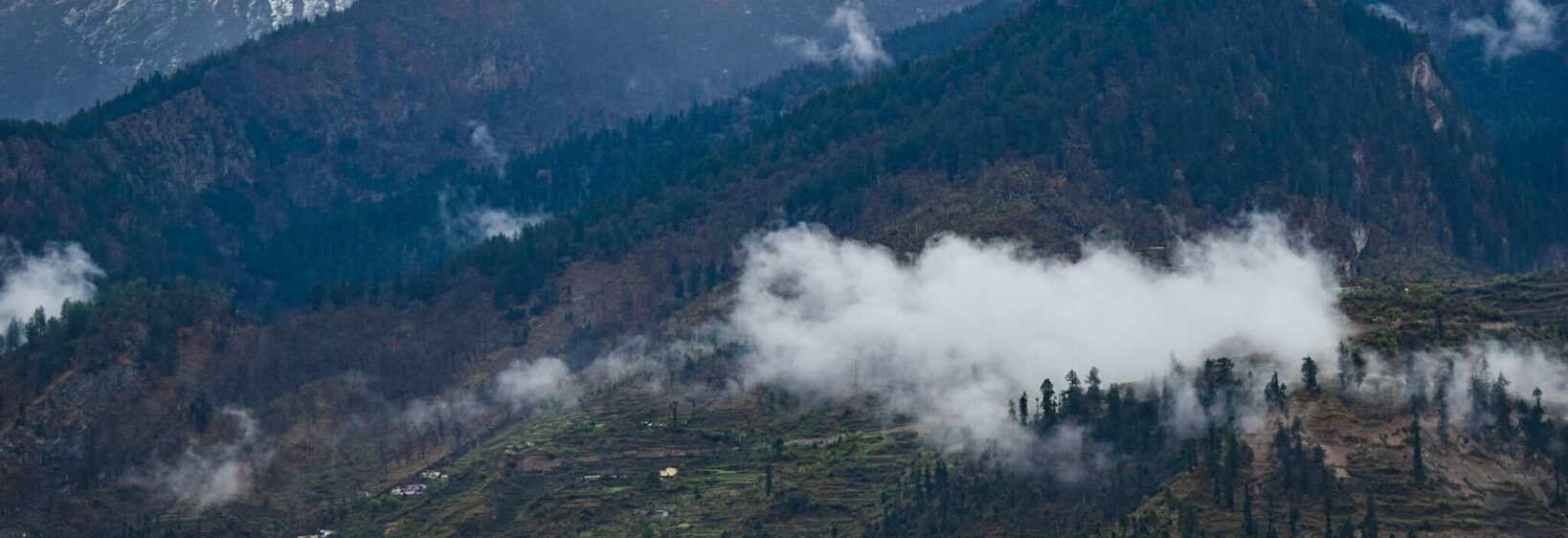
Rain and mist bring another mood to Mussoorie. Wet paving stones reflect signs and windows, while clouds soften the distant hills. Keep a cloth and weather protection in your daypack, and avoid standing in the middle of narrow lanes while adjusting camera settings.
Comparing Photo Stops
Different parts of the walk suit different photographic approaches. Instead of trying to record everything, choose a few locations and spend time observing how light, movement, and architecture interact.
| Photo stop | Best subjects | Useful approach |
|---|---|---|
| Library Chowk | Traffic, pedestrians, hill views | Wide framing and layered scenes |
| Old shop lanes | Signboards, goods, doorways | Standard lens and close details |
| Heritage façades | Windows, stonework, balconies | Look for symmetry and texture |
| Tea stalls | Steam, hands, cups, conversations | Ask permission for portraits |
| Quiet hillside paths | Roofs, mist, distant ridges | Soft light and negative space |
Looking Beyond The Main Road
The lanes become more atmospheric as they move away from the busiest stretch. Wooden balconies, moss-covered walls, old prayer spaces, and steep stairways provide a sense of place that polished tourist viewpoints cannot offer. Use leading lines from steps and railings to draw attention deeper into the frame.
Mussoorie’s visual identity also connects with Uttarakhand’s wider cultural landscape. Temple architecture, forest settings, and devotional traditions appear throughout the region; for a related photographic journey, explore Jageshwar’s ancient temples, where stone shrines create a very different atmosphere from the bazaar’s urban lanes.
Practical Tips For A Better Walk
A thoughtful route makes the experience easier and more enjoyable. Keep equipment light, pause for local interactions, and leave enough time to revisit a promising scene when the light changes.
- Start before the busiest hours for calmer streets and softer light.
- Carry a small rain cover, water bottle, and extra battery or power bank.
- Photograph shop details and architecture without blocking entrances.
- Use a wrist strap or compact bag on steep steps and crowded paths.
- Record the names and stories of places so the images retain their local context.
Keep The Walk Personal
Avoid turning the bazaar into a checklist of landmarks. Choose a visual theme—doors, mountain light, working hands, or old signs—and let that idea guide the walk. A focused set of images usually feels more meaningful than a large gallery of unrelated snapshots.
When the walk ends, review the photographs as a sequence: arrival, movement through the lanes, close details, human moments, and the final view toward the hills. Save your favourite frames as a small photo essay and share the living character of Library Bazaar with travellers planning their own Mussoorie visit.