Spotting and Photographing the Monal in Kedarnath Sanctuary
The Himalayan monal is one of Uttarakhand’s most striking birds. Its iridescent blue, green, copper, and violet feathers can flash between rhododendron branches before the bird disappears into the forest. In the high valleys of Kedarnath Wildlife Sanctuary, seeing this colorful pheasant is a memorable experience for birdwatchers, trekkers, and nature photographers.
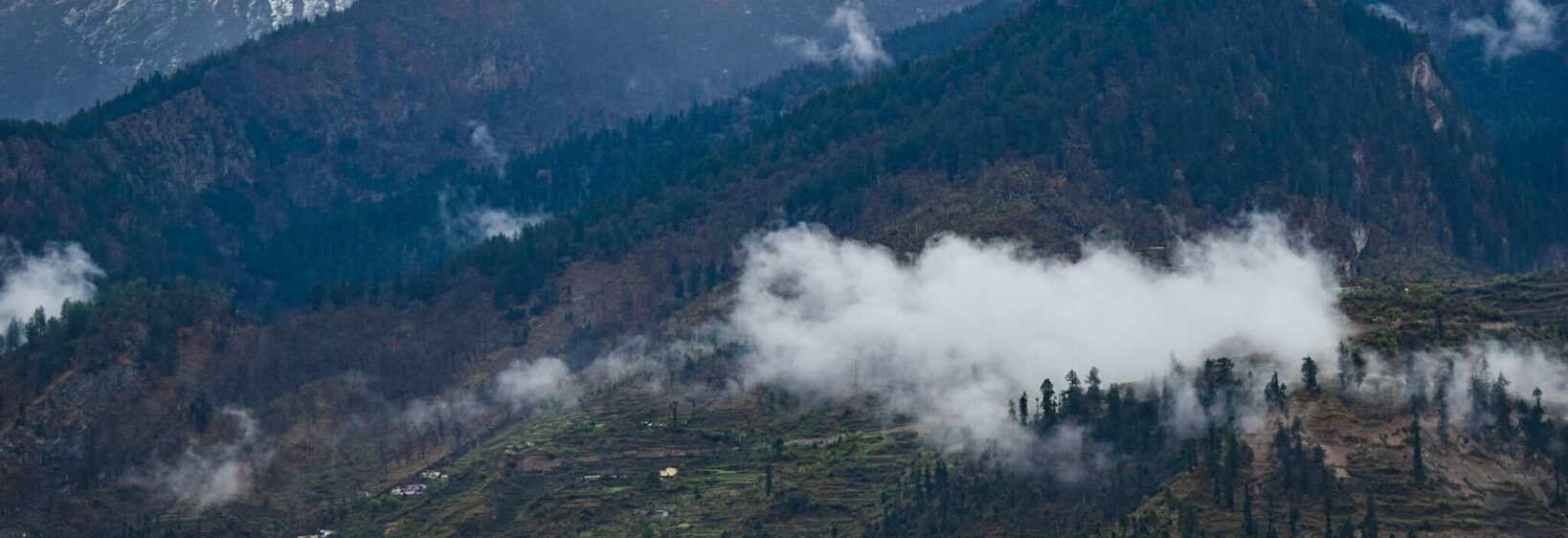
The sanctuary covers a broad Himalayan landscape around the Kedarnath region, including temperate forests, alpine meadows, steep slopes, and remote mountain trails. The monal’s habitat is often quiet and difficult to reach, so a successful sighting depends on patience, careful planning, and respect for the bird’s natural behavior.
Understanding The Monal’s Mountain Habitat
Himalayan monals usually live in oak, fir, birch, and rhododendron forests, moving between wooded slopes and open alpine areas. They forage on roots, shoots, berries, seeds, insects, and small invertebrates. Early morning is especially productive because the birds may feed along forest edges before retreating into denser cover.
In Kedarnath Wildlife Sanctuary, suitable habitat is generally found at middle and higher elevations, often between approximately 2,400 and 4,500 metres. Conditions vary by season and location, so a local forest guide can help identify recent sightings, feeding grounds, and safe trails.
When To Plan A Wildlife Photography Trip
Spring brings fresh vegetation and active bird movement, while summer offers relatively accessible trails before the monsoon arrives. During autumn, clearer skies and golden mountain light create excellent photography conditions. Winter can bring snow and difficult access, although monals may sometimes descend to lower elevations in search of food.
Plan to reach the trail before sunrise and remain in the field through the first few hours of daylight. A quiet pause near a meadow, forest clearing, or ridge-side feeding area can be more rewarding than covering a long distance noisily. Weather changes quickly in the sanctuary, so warm layers and rain protection are essential.
Finding The Bird Without Disturbing It
The male Himalayan monal is easier to identify because of its brilliant plumage and upright crest. Females are mostly brown, with patterned feathers that provide excellent camouflage. Listen for wingbeats, soft calls, movement in leaf litter, or a brief metallic glint among shaded branches rather than expecting a clear view immediately.
Avoid chasing a bird from one clearing to another. Stop at a respectful distance, use natural cover, and allow the monal to move normally. For wider Himalayan travel inspiration, a visit to the abandoned village near Munsiyari also offers a glimpse of quiet mountain landscapes where patience often reveals unexpected wildlife.
Camera Settings For Mountain Bird Photography
A telephoto lens in the 300–600 mm range is useful because monals are usually wary and may remain far from the trail. A monopod can reduce fatigue during long waits, while a camera with good high-ISO performance helps in dark forest conditions. Keep the camera ready before entering likely habitat.
| Shooting Situation | Suggested Starting Point | Practical Reason |
|---|---|---|
| Bird standing in open light | 1/1000 sec, f/5.6–f/8 | Freezes posture and preserves feather detail |
| Bird moving through shade | 1/1600 sec, f/4–f/5.6, ISO 800–1600 | Handles quick movement and low light |
| Bird taking flight | 1/2000 sec or faster, continuous AF | Captures wingbeats and sudden departures |
| Quiet portrait | 1/800 sec, single-point AF | Helps focus precisely on the eye |
Use autofocus on the eye when possible, but check the background carefully. Bright plumage can lose detail in direct sunlight, so slightly reducing exposure may preserve highlights. Shoot several frames during a pause, then lower the camera instead of continuing to click after the bird becomes alert.
Ethical Practices In The Sanctuary
Wildlife photography should never place an image above the welfare of the animal. Do not use playback calls, bait, food, drones, or loud group movement to attract a monal. Keep voices low, stay on established trails, and follow instructions from forest officials and local guides.
Avoid blocking a bird’s route to food, water, or shelter. Nesting areas deserve extra distance, particularly during the breeding season. Flash photography is also inappropriate in dim forest habitat, where sudden light can startle birds and disrupt their behavior.
Prepare For A Safe Birding Outing
The sanctuary’s terrain can be steep, remote, and physically demanding. Carry sufficient water, high-energy food, sun protection, a first-aid kit, and offline navigation. Mobile coverage may be unreliable, and an early start means that transport and accommodation should be arranged in advance.
A simple field checklist keeps attention on the landscape rather than forgotten equipment:
- Pack binoculars, spare batteries, memory cards, and a lens cloth.
- Wear quiet, layered clothing in muted natural colors.
- Carry waterproof covers for the camera and backpack.
- Hire an authorized local guide familiar with monal habitat and trail conditions.
- Check permits, weather forecasts, and sanctuary access rules before departure.
The best photographs often come from a calm encounter rather than a forced close-up. Record the altitude, date, habitat, and behavior of each sighting, and leave the forest exactly as you found it.
A patient visit to Kedarnath Wildlife Sanctuary can produce more than a beautiful bird portrait: it can reveal the rhythm of Uttarakhand’s high forests. Carry your camera responsibly, travel with local knowledge, and share the story of the Himalayan monal in a way that encourages protection of its mountain home.