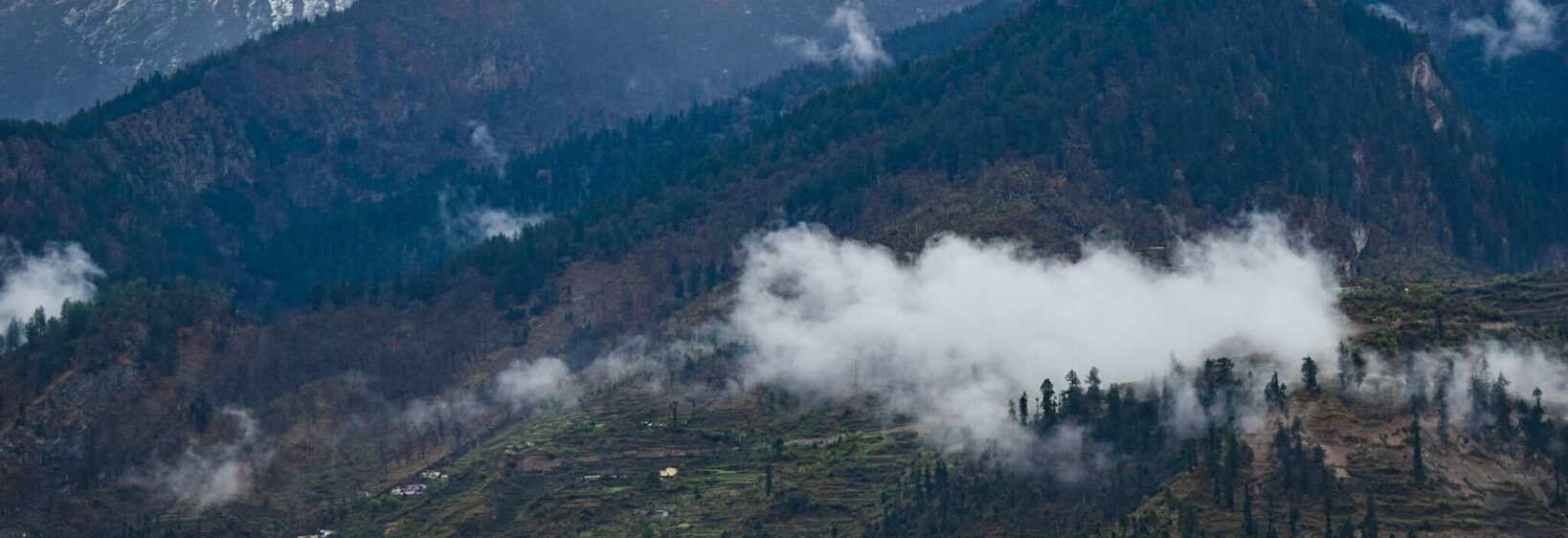
A Visual Guide to Seasonal Flowers in Auli Meadows
Auli is celebrated for its snowy slopes, oak forests, and wide Himalayan views, yet its meadows become equally captivating when the snow retreats. From late spring through the monsoon, the grasslands near Auli reveal changing colours, delicate alpine blooms, and hardy plants shaped by altitude.
The flowering season varies with snowfall, temperature, and rainfall. Lower slopes may bloom earlier, while higher trails remain quiet until early summer. A walk through the meadows is therefore a journey through several botanical moods rather than a single short flower season.
These plants are part of the landscape’s natural character. Visitors should enjoy them through photography and observation, avoiding picking flowers or trampling small patches beside walking paths.
Spring Colours Across The Slopes
As March and April bring warmer days, the first visible plants appear around thawing ground, forest edges, and sunny clearings. Primulas can add pink, purple, or pale yellow tones, while small violets often grow in sheltered areas with moist soil.
The early blooms are usually modest in size but striking against brown grass and melting snow. Their low growth helps them survive cold nights and strong winds, making them especially rewarding subjects for close-up photography.
Summer’s Meadow Display
By May and June, Auli’s alpine grasslands become richer and more varied. Himalayan buttercups, cinquefoil, geraniums, blue poppies in suitable pockets, and clusters of wild asters may appear across open slopes. White and yellow blooms often mix with purple and blue flowers, creating a soft mosaic around the trails.
The exact display depends on elevation and weather. A cool spring can delay flowering, while early warmth may bring several varieties into bloom at the same time. Morning light is ideal for photographing fresh petals, dew, and distant ridgelines before afternoon cloud cover develops.
A Seasonal Flowering Calendar
The table below offers a general guide rather than a fixed schedule. Local conditions can shift blooming by several weeks.
| Period | Flowers And Plant Types | Typical Landscape |
|---|---|---|
| March–April | Primulas, violets, early herbs | Snowmelt zones and sheltered forest margins |
| May–June | Buttercups, geraniums, cinquefoil, alpine herbs | Open meadows and sunny slopes |
| July–August | Wild asters, bistort, gentians, grasses | Lush monsoon meadows and damp hollows |
| September–October | Late asters, seed heads, fading alpine flowers | Golden grasslands and clearer mountain paths |
Monsoon months can bring the most vigorous vegetation. In July and August, rain-fed meadows appear intensely green, with taller grasses surrounding small flowers. Gentians may provide deep blue accents, while bistort and asters add pink, white, or lavender shades.
Clouds, mist, and wet trails also change the visual experience. Carrying waterproof footwear and protecting camera equipment is useful, especially when exploring less-used paths away from the main ski area.
Flowers Near Forest And Village Paths
Auli’s flower habitats are influenced by its surrounding oak, conifer, and rhododendron forests. Along shaded trails, visitors may find plants that prefer cooler soil and filtered light. Near village paths and grazing areas, tougher meadow herbs grow among grasses and stones.
The transition between forest and pasture is particularly photogenic. It combines seasonal flowers with traditional homes, terraced fields, prayer flags, and views toward Himalayan peaks. Travellers interested in Uttarakhand’s wider heritage can also explore this Katarmal Sun Temple, where architecture and mountain landscape create a different kind of visual story.
Responsible Ways To Explore
A flower walk becomes more enjoyable when it protects the habitat being photographed. Alpine plants may take years to recover from damage because of short growing seasons, shallow soil, and heavy winter snow.
Keep to established tracks where possible, and avoid moving stones or creating shortcuts through dense patches. A telephoto or macro lens can capture detail without requiring visitors to step into fragile vegetation.
Practical habits for a respectful meadow visit include:
- Photograph flowers from the trail rather than entering thick clusters.
- Never pick blooms, uproot plants, or collect seeds.
- Carry reusable water bottles and bring back all wrappers.
- Use a local guide when exploring unfamiliar forest or highland routes.
- Check weather, trail conditions, and transport availability before setting out.
Best Light For Meadow Photography
Early morning offers soft light, calm air, and fewer people on the trails. Dew can highlight leaf textures, while low sunlight brings out the colours of yellow buttercups and purple-blue flowers. Overcast afternoons are also valuable because cloud cover reduces harsh shadows on pale petals.
For broader images, include a flowering foreground with Auli’s slopes or distant peaks behind it. For close details, focus on one flower and use grasses, mist, or forest shade as a natural background. A small cloth for wiping rain from equipment and an extra battery are useful additions to any photography kit.
The meadows are also a reminder that Auli changes beyond its winter identity. Snow sports draw visitors during the cold months, but the warmer seasons reveal a quieter landscape shaped by flowers, grazing traditions, forests, and local mountain life.
Plan a flower-focused visit around late spring or the monsoon, allow extra time for changing weather, and record the landscape without disturbing it. For destination ideas, photography inspiration, and more Uttarakhand travel stories, explore the Uttarakhand travel gallery.