Photographing the Handicrafts of the Bhulia Community in Bageshwar
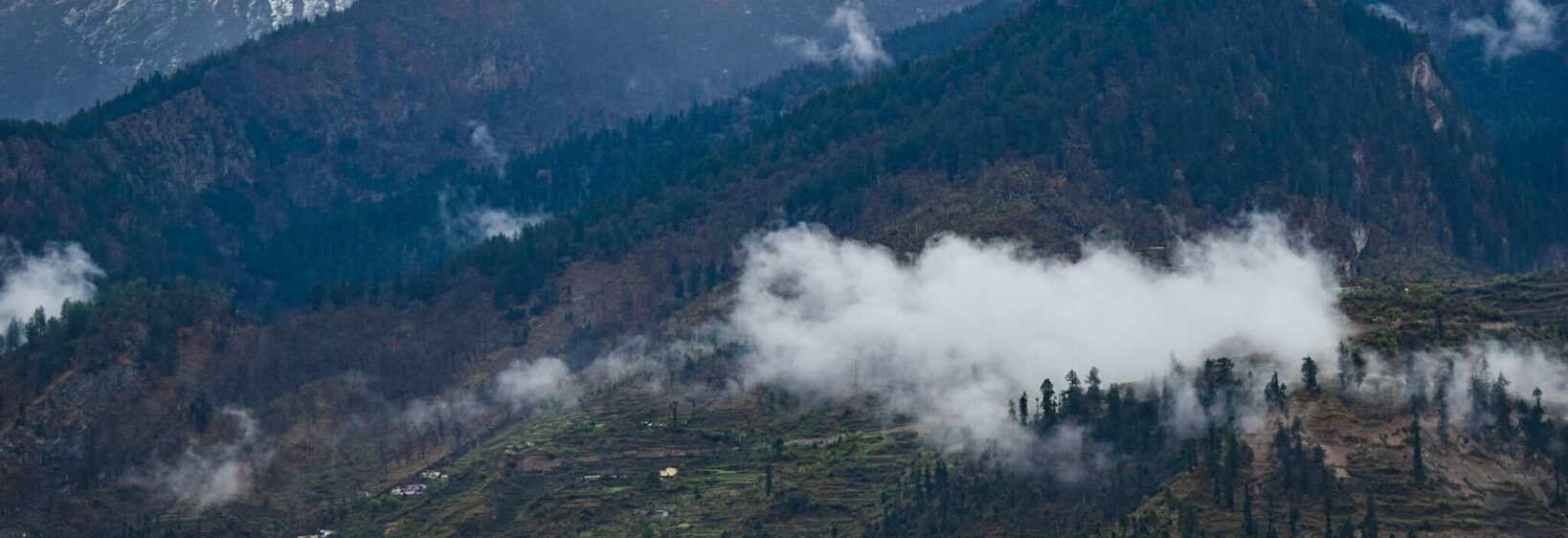
Bageshwar is known for its mountain landscapes, temples, river valleys, and living craft traditions. Among the region’s cultural stories are the weaving skills associated with the Bhulia community, whose handmade textiles reflect patience, family knowledge, and the practical beauty of life in the Kumaon hills.
Photographing these handicrafts requires more than attractive close-ups. A useful image should show the texture of wool, the movement of the loom, the concentration of the maker, and the setting in which the work takes place. Together, these details can turn a product photograph into a respectful visual record.
Visitors planning a cultural trip can find wider Uttarakhand travel stories through regional travel guides, then build a photography itinerary around Bageshwar’s markets, villages, workshops, and nearby places of interest.
Finding The Story Behind The Craft
Begin by learning what you are photographing. Ask the artisan about the name of the textile, the material used, the time required, and whether a pattern has a particular local meaning. Even a short conversation can help you avoid inaccurate captions and identify details worth recording.
The strongest photo series usually includes several stages: raw wool or thread, tools, hands at work, a partially completed item, and the finished piece. This sequence gives viewers a sense of labour and continuity rather than presenting the handicraft as an isolated souvenir.
Working With Mountain Light
Natural light is especially valuable in a weaving space. Window light can reveal the raised surface of wool and the irregular character of hand-spun thread. Place the textile near the light source, but avoid harsh direct sunlight that removes colour and creates deep shadows.
For portraits, turn the maker slightly toward the window and expose for the face. For detailed craft images, expose carefully for the brightest yarns. A small reflector or a pale wall can soften shadows without making the scene appear artificial.
Showing Texture, Colour, And Scale
A wide photograph establishes the workshop, while a medium view connects the artisan with the loom or worktable. Close-up images should reveal fibres, knots, borders, needles, wooden tools, and the subtle variations that distinguish handmade goods from factory-made products.
Use a familiar object, such as a hand, shuttle, or folded textile, to communicate scale. Keep backgrounds simple where possible, but do not remove every sign of place. A stone wall, wooden beam, brass utensil, or mountain doorway can help locate the craft within Bageshwar’s everyday visual culture.
Choosing The Right Frame
Different compositions communicate different parts of the story. The best choice depends on whether the image is intended for a travel feature, a portrait series, or a product-focused gallery.
| Image type | Best subject | Useful approach |
|---|---|---|
| Establishing view | Workshop or home setting | Use a wider lens and include local architectural details |
| Working portrait | Artisan at the loom | Focus on expression, posture, and the direction of light |
| Detail frame | Wool, thread, pattern, or tool | Move close and check focus carefully |
| Process image | Hands creating the textile | Use a faster shutter speed to freeze movement |
| Finished craft | Shawl, carpet, or woven article | Keep the item neat while preserving natural texture |
Avoid photographing only polished finished products. The marks of use, folded edges, loose fibres, and working tools often make the picture more honest and visually engaging.
Photographing People With Respect
Always request permission before making a portrait, especially inside a private home or workshop. Explain where the photograph may appear and offer to show the image afterward. If the artisan prefers not to be photographed, focus on the tools, materials, and finished work instead.
Do not interrupt a difficult stage of weaving for a staged pose. A quiet image of concentration can be more powerful than a forced smile. Photograph children only with a parent or guardian’s consent, and avoid revealing private details about a household without approval.
Building A Useful Photo Series
A strong gallery balances people, process, place, and objects. Take both horizontal and vertical frames, leave space around important subjects, and record names and spellings while the information is fresh. Notes about the fibre, technique, location, and maker will make later publication much more accurate.
Captions should identify the craft clearly without making broad claims about the whole community. If a pattern or technique is described as traditional, confirm that description with the artisan or a reliable local source. Careful storytelling gives the images lasting value and directs attention toward the makers.
A Practical Shooting Checklist
- Carry a camera or phone with extra storage and a spare battery.
- Bring a small reflector, lens cloth, and neutral cloth for supporting close-up details.
- Ask permission before photographing people, homes, tools, or unfinished work.
- Record the artisan’s name, the textile’s local name, and basic material information.
- Back up images and preserve the original colours during editing.
When publishing photographs, credit the artisan whenever possible and include the location in a clear, respectful caption. Share the finished story with the people featured in it, and encourage visitors to buy directly from makers or trusted local groups. Your photographs can then do more than document Bhulia handicrafts in Bageshwar: they can help audiences value the skill, time, and cultural memory woven into every piece.