Patal Bhuvaneshwar Cave And Its Underground Chambers
Deep beneath the Kumaon hills lies Patal Bhuvaneshwar, a limestone cave shaped by water, time, and centuries of religious imagination. Located near Gangolihat in Pithoragarh district, this underground shrine combines geological formations with stories connected to Shiva, ancient deities, and the hidden spiritual world described in Hindu tradition.
The approach passes through quiet mountain settlements, terraced fields, and forests typical of eastern Uttarakhand. Visitors interested in village culture can also explore this Kunauli village guide, which offers a useful glimpse into rural homes, local customs, and homestay experiences.
Inside the cave, narrow passages open into chambers marked by naturally formed rock shapes. Some formations resemble mythological figures, while others reveal the slow work of groundwater dissolving and redepositing minerals. The result is a place where physical evidence and sacred interpretation remain closely connected.
Setting Beneath Gangolihat
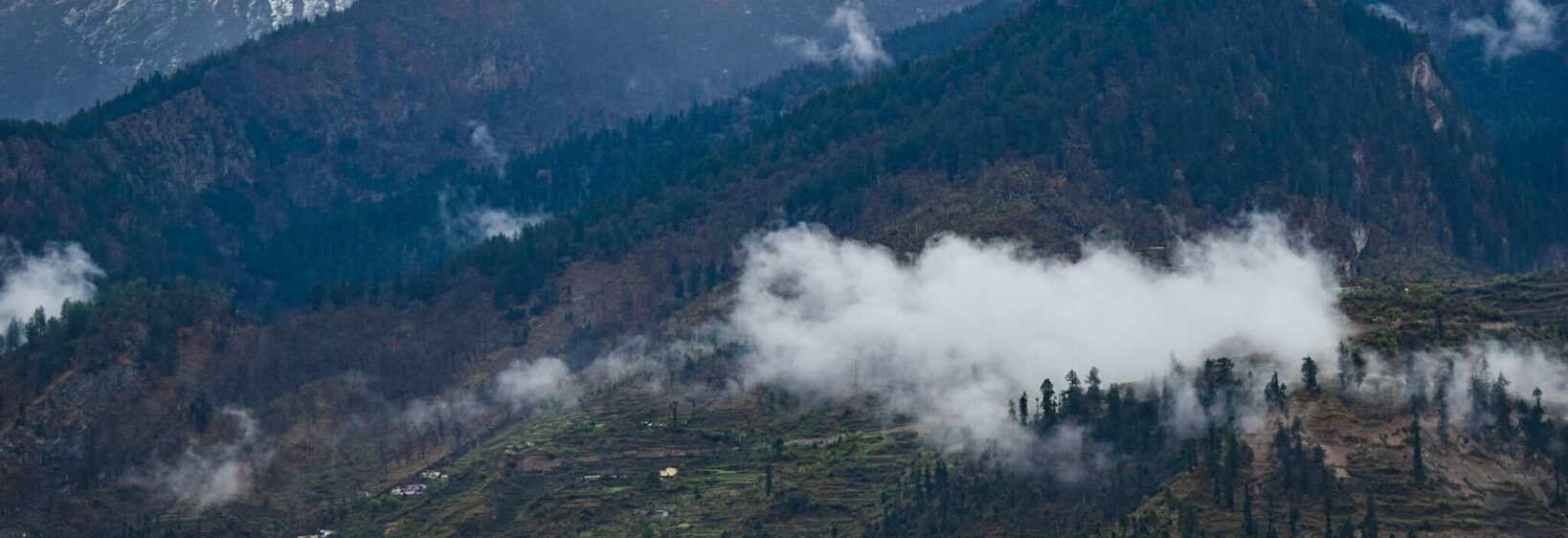
Patal Bhuvaneshwar is situated in the lower Himalayan landscape of Uttarakhand, around 14 kilometres from Gangolihat. The area is known for its temples, pine-covered slopes, traditional villages, and wide views across the surrounding mountains. Its relatively remote setting adds to the feeling of entering a protected subterranean world.
The cave entrance is reached by descending through a narrow opening and a series of steps. The passage can feel confined, especially where the ceiling lowers and the route becomes uneven. Electricity and guided movement make the visit manageable, but the natural character of the cave remains clear throughout the descent.
Geological Architecture
The cave developed in limestone, a rock that is particularly vulnerable to the gradual action of slightly acidic groundwater. As water moved through cracks and cavities, it enlarged the underground passages. Mineral-rich drops later hardened into stalactites hanging from the roof and stalagmites rising from the floor.
Although local tradition assigns symbolic identities to many formations, the cave can also be read as a record of geological change. The table below separates common interpretations from the physical features a visitor may observe.
| Underground feature | Traditional interpretation | Geological observation |
|---|---|---|
| Hanging mineral deposits | Divine ornaments or sacred signs | Stalactites formed by mineral-rich water |
| Rising rock columns | Forms linked with deities | Stalagmites growing upward from the floor |
| Narrow descending passage | Entry into the underworld | A solution cavity enlarged along limestone fractures |
| Sculptural wall shapes | Mythological figures | Irregular deposition and erosion patterns |
| Dark inner chambers | Hidden spiritual domains | Sections with limited natural ventilation and light |
The cave is still an active environment. Moisture, dripping water, and mineral deposition continue to alter its surfaces, though the process is too slow to notice during a single visit. Touching formations can damage their delicate surfaces and leave oils that affect future growth.
Myth And Sacred Meaning
Patal Bhuvaneshwar is regarded as a sacred place associated with Lord Shiva. Religious accounts connect the cave with the presence of many Hindu deities and describe it as a place where the divine world exists beneath the earth. Some traditions also link its discovery or recognition to Adi Shankaracharya, although such accounts belong to the devotional history of the site rather than documented geological research.
The name itself carries symbolic weight. “Patal” refers to the subterranean realms of Hindu cosmology, while “Bhuvaneshwar” is commonly understood as the lord of the world. For pilgrims, the descent is therefore more than a physical journey. It represents movement away from the ordinary landscape and toward a sacred interior space.
Reading The Underground Chambers
Several sections contain rock shapes that local guides identify with mythological beings, serpents, animals, or deities. These interpretations are strengthened by the cave’s unusual forms and by the dim lighting, which encourages visitors to look closely at shadows, contours, and mineral textures.
A careful study should keep both viewpoints in mind. The spiritual reading explains why the cave matters to pilgrims, while the geological reading reveals how water and limestone produced its chambers. Neither needs to cancel the other; together they explain the distinctive character of Patal Bhuvaneshwar.
Visitor Experience And Access
The cave is generally visited with a local guide, whose knowledge helps explain religious associations, routes through the chambers, and safety points. The descent and return require steady footing, and the interior may be slippery because of condensation and dripping water. Comfortable clothing and shoes with good grip are more useful than formal travel wear.
Photography may be possible in selected areas, but flash use, tripods, and prolonged stops can interfere with movement and worship. The enclosed space also makes crowd control important. Visitors should follow local instructions, avoid loud conversation, and leave offerings only where permitted.
Practical Notes For A Meaningful Visit
The best experience comes from allowing enough time for both the cave and the surrounding region. Gangolihat has a strong religious identity, and nearby villages provide a broader view of Kumaoni life, architecture, food, and seasonal routines. Travel stories and visual references from Uttarakhand photo stories can help place the cave within the state’s wider cultural and tourism landscape.
Keep these points in mind before entering:
- Check local opening times and road conditions before travelling.
- Carry water, modest clothing, and footwear suitable for damp steps.
- Follow the guide’s instructions in narrow or low-ceilinged sections.
- Avoid touching, scratching, or removing pieces of the cave surface.
- Combine the visit with nearby temples and village stops rather than rushing through the area.
Patal Bhuvaneshwar rewards slow observation. Its chambers are valuable as geological spaces, pilgrimage sites, and visual records of Uttarakhand’s living traditions. Add the cave to a Kumaon itinerary, travel respectfully, and record the journey in a way that protects the atmosphere future visitors come to experience.