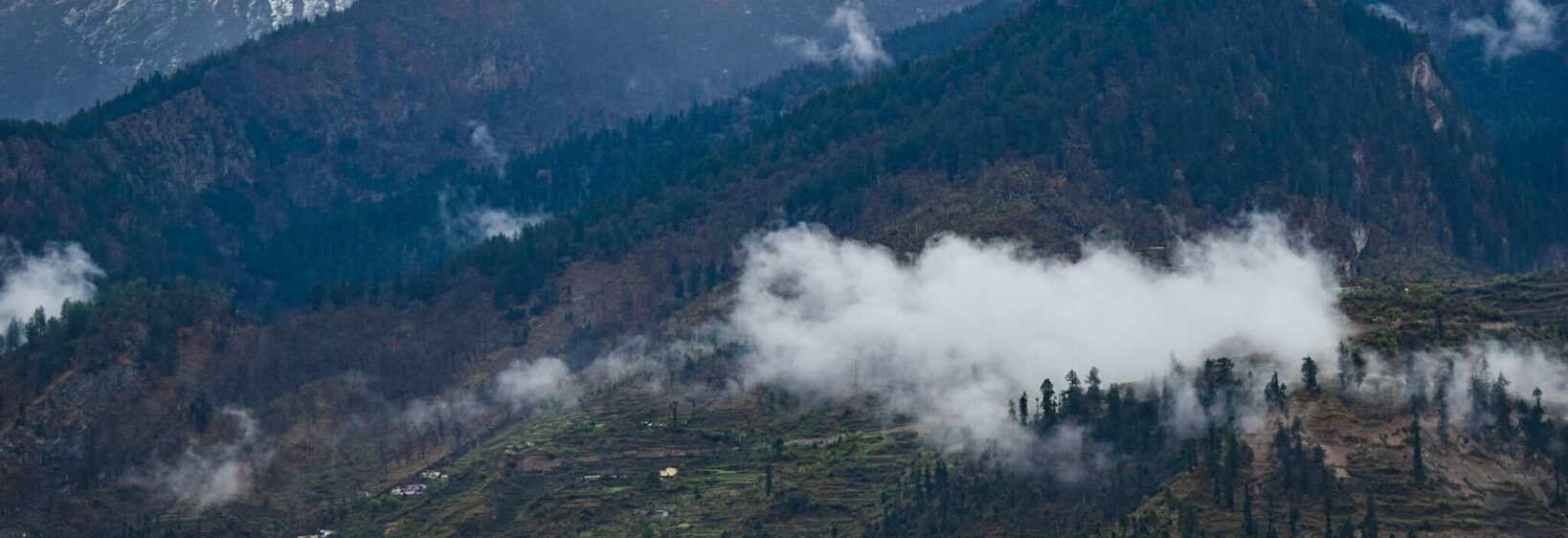
Chamba Twin Lakes Through the Camera Lens
A Photo Series on the Chamba Twin Lakes: Gucchu Pani and Tali Lakes captures a quieter side of Uttarakhand’s Tehri Garhwal region. Away from busy hill stations, these water bodies offer a visual study in reflections, forest edges, mountain light, and the changing character of rural landscapes.
The journey is as important as the lakes themselves. Roads and footpaths around Chamba pass through terraced fields, pine-covered slopes, village homes, and wide Himalayan viewpoints. Every turn creates an opportunity to photograph the relationship between water, woodland, agriculture, and sky.
This photo feature is designed for travellers who enjoy slow exploration. It combines landscape photography with practical observations about light, composition, seasonal conditions, and respectful travel in the hills.
A Twin-Lake Landscape
Gucchu Pani and Tali Lakes can be approached as two separate photographic subjects rather than a single stop. Their surroundings may change with weather, season, and water level, giving each lake its own mood. Mist softens the background, while clear mornings reveal layered ridges and crisp reflections.
The broader Chamba Valley adds depth to the series. Terraced farms bring geometric lines into wide compositions, while pine and mixed forest create darker frames around the water. Including these details prevents the images from becoming simple lake portraits and gives the collection a strong sense of place.
Framing Gucchu Pani
Gucchu Pani works well for intimate photographs that focus on surface texture, shoreline vegetation, and small reflections. A telephoto lens can isolate patterns in the water, while a wide-angle lens can place the lake within its surrounding slopes. Look for branches, rocks, or grasses that form a natural foreground.
Early and late daylight usually produce the most expressive results. Warm light can bring out earthy tones along the bank, while overcast conditions reveal subtle greens and muted blues. A polarising filter may reduce glare, but it should be rotated carefully so that reflections remain part of the image.
Reading Tali Lake
Tali Lake offers a different opportunity for visual storytelling. Its photographs can emphasise open space, distant ridgelines, and the contrast between still water and moving clouds. A person walking along a safe viewing area, a grazing animal, or a small local structure can provide scale without overpowering the landscape.
Minimal compositions are especially effective here. Leave generous space around the subject, use the shoreline as a leading line, and wait for a moment when the wind settles. The resulting frame can feel calm and spacious, reflecting the slower rhythm of village life in the Himalayan foothills.
Light, Weather, And Composition
Weather is an active part of this Chamba lake photography experience. Monsoon clouds can produce dramatic skies, although slippery paths and low visibility require additional care. Winter mornings may bring pale light and mist, while spring often adds fresh vegetation and clearer colours.
| Photographic Element | Gucchu Pani | Tali Lake |
|---|---|---|
| Strong visual focus | Shoreline details and reflections | Open water and mountain layers |
| Useful lens choice | Standard or telephoto lens | Wide-angle or standard lens |
| Best mood | Quiet, textured, intimate | Spacious, airy, contemplative |
| Composition idea | Natural foreground framing | Leading shoreline lines |
| Weather interest | Soft cloud and muted tones | Dramatic skies and distant ridges |
Carry a tripod only if the route allows comfortable movement with it. A lightweight camera, spare batteries, lens cloth, and waterproof protection are more useful than an overloaded bag. Photographing from a stable, safe position is always preferable to reaching an unstable bank for a stronger angle.
The Human Details Around The Lakes
A successful travel photo series should include more than scenery. Doorways, stone walls, terraced fields, seasonal crops, footpaths, and traditional homes help explain the landscape around Gucchu Pani and Tali Lakes. These contextual images can be placed between wider lake views to create a natural visual narrative.
Ask before photographing residents, workers, or religious objects. Keep voices low near homes and local sites, avoid blocking paths, and do not move stones, plants, or other natural features for composition. A respectful approach often leads to more genuine encounters and better understanding of the place.
For photographers extending their journey, this guide to Chamba’s offbeat destinations offers useful context for building a wider itinerary through the valley.
Planning A Thoughtful Photo Walk
Local conditions can change quickly in the hills, so confirm the current route, road access, and weather before setting out. A local guide or knowledgeable resident can clarify directions and identify safe viewpoints, particularly when paths are unfamiliar or affected by rain.
Keep the photo walk flexible. The best frame may appear during a pause beside a field or from a viewpoint before reaching the lake. Allow time for observation instead of rushing between locations, and carry drinking water, basic first-aid supplies, sun protection, and a small bag for all waste.
Field Recommendations
- Begin early for softer light, fewer distractions, and calmer water.
- Carry a weatherproof camera cover and protect equipment from dust and sudden rain.
- Use foreground elements, shoreline curves, and distant ridges to create depth.
- Photograph local life only with permission and maintain a respectful distance.
- Leave the lakesides clean, quiet, and unchanged for the next visitor.
Let this Chamba photo series become a reason to explore slowly, observe carefully, and support the communities around Uttarakhand’s lesser-known landscapes. Pack a simple camera kit, check local conditions, and set out to photograph Gucchu Pani, Tali Lake, and the living valley that connects them.