A Guide to Ranibagh Botanical Gardens Near Kathgodam
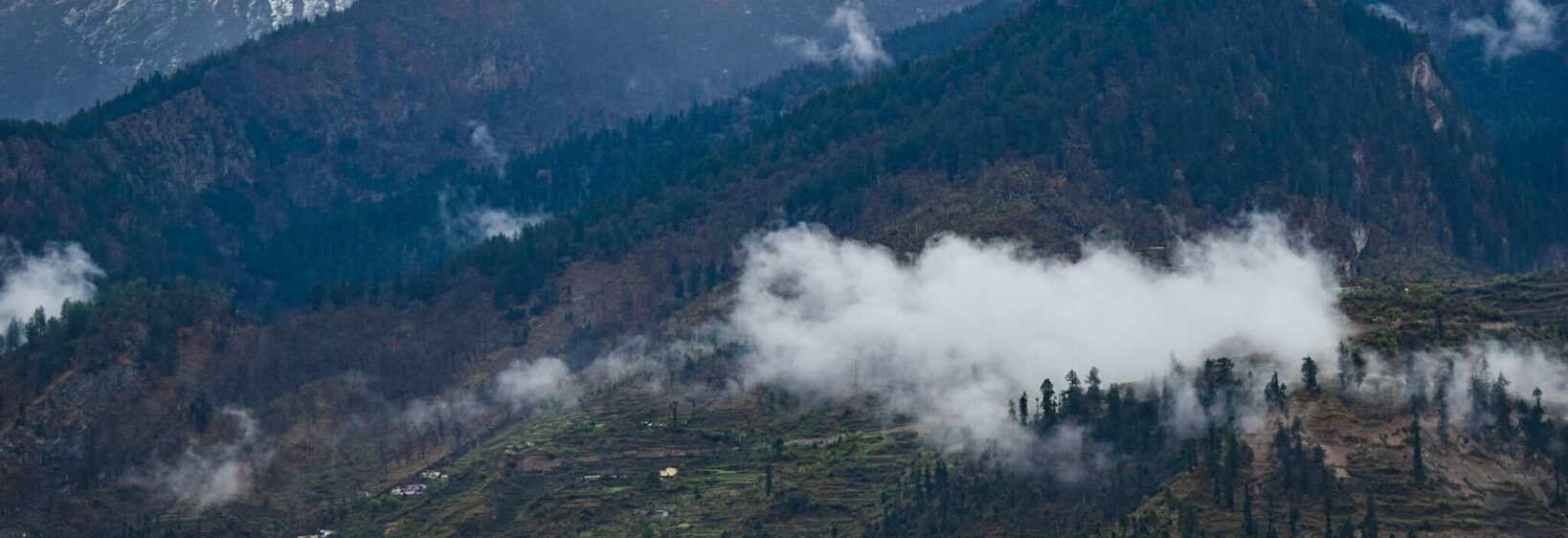
Ranibagh Botanical Gardens offer a peaceful stop for travellers entering the Kumaon hills through Kathgodam. Set among the green slopes and forested surroundings of Nainital district, the garden provides a gentler experience than the busy markets and viewpoints farther uphill.
The attraction is suitable for families, nature photographers, students, and visitors who want to learn about Himalayan plant life without committing to a long trek. Its appeal comes from the combination of landscaped spaces, native vegetation, seasonal flowers, and the wider mountain scenery around Ranibagh.
A visit can easily be combined with Kathgodam, Haldwani, Bhimtal, or Nainital. Since local opening hours, entry arrangements, and facilities may change, it is sensible to check current information locally before setting out.
Why Visit The Garden
The botanical garden presents a useful introduction to the flora of the Kumaon region. Depending on the season, visitors may see flowering plants, ornamental species, shrubs, trees, and plants adapted to the lower Himalayan climate. Interpretive displays or labelled sections may also help visitors understand their uses and habitats.
The calm setting makes Ranibagh especially attractive after a train journey to Kathgodam. Instead of moving immediately towards a crowded hill station, travellers can spend a little time outdoors, take photographs, and enjoy the transition from the plains to the mountains.
What To See And Photograph
Morning light is well suited to garden photography. Dew on leaves, butterflies around flowering plants, shaded pathways, and views of the surrounding hills can create a varied collection of images. A phone camera is sufficient, although a macro lens can be useful for close-ups of flowers and insects.
The garden is also a good place to observe the relationship between cultivated and wild Himalayan plants. Look for differences in leaf shape, bark, flower colour, and growth patterns, but avoid touching unfamiliar species. Children can turn the visit into a simple nature-learning activity by recording plant colours and identifying birds.
Best Season For A Visit
Spring and early summer generally bring fresh foliage and a lively display of flowers. The monsoon months make the landscape greener, though wet paths and slippery ground may affect walking. Autumn often provides clear skies and comfortable weather, making it a strong season for photography.
Winter mornings can be cold, especially when mist settles around the lower hills. Carry a light jacket and allow extra time for travel. Visitors interested in waterfalls and forest scenery can also pair the garden with a separate excursion, such as this Lachhmandhar Waterfall guide, although that destination lies in a different part of Uttarakhand.
| Visitor Need | Useful Guidance |
|---|---|
| Ideal duration | About one to two hours |
| Best time of day | Morning or late afternoon |
| Suitable visitors | Families, photographers, students, and casual walkers |
| What to carry | Water, sun protection, comfortable shoes, and a light jacket |
| Access planning | Confirm local timings and entry details before travelling |
| Nearby combinations | Kathgodam, Haldwani, Bhimtal, and Nainital |
Location And Transport
Ranibagh is located close to Kathgodam on the route leading towards the Kumaon hills. Travellers arriving by train can use a local taxi or shared vehicle, while visitors from Haldwani can usually find road transport towards Kathgodam and Ranibagh. The final approach may be easier by taxi than by public transport.
Those travelling by car should plan for limited roadside parking and avoid blocking narrow access roads. A driver familiar with the area can also help combine the botanical garden with nearby viewpoints, temples, or lakes without wasting time on route planning.
Local Culture Along The Route
A visit to the garden can be part of a broader cultural journey through Uttarakhand. Local food stalls, seasonal markets, village shrines, and traditional homes reveal aspects of Kumaoni life that are easy to miss when travelling directly between major tourist destinations.
Festivals offer another way to understand the region. The traditions surrounding the Nanda Devi Raj Jat show the deep connection between pilgrimage, folk belief, music, and mountain communities; travellers can read about these Uttarakhand fair traditions before planning a culture-focused trip.
Practical Tips For A Better Visit
The garden is most enjoyable when treated as a slow, observant stop rather than a rushed sightseeing point. Keep the visit flexible, especially during rainy weather or on days when maintenance work changes access to particular areas.
- Wear shoes with firm grip for damp or uneven paths.
- Carry drinking water and take rubbish back with you.
- Do not pick flowers, break branches, or disturb insects and birds.
- Ask before photographing staff, local residents, or religious spaces nearby.
- Confirm entry fees, opening hours, and parking arrangements before departure.
After exploring the garden, continue towards the Kumaon hills or return to Kathgodam for local food and transport connections. Add Ranibagh Botanical Gardens to your Uttarakhand itinerary for a quiet introduction to the region’s plant life, and keep a camera ready for the changing landscapes along the road.