The Koteshwar Temple Caves Along the Right Bank of the Ganges
Hidden among Uttarakhand’s river valleys, the Koteshwar Temple caves offer a quieter pilgrimage experience than the state’s larger and busier shrines. Their setting combines a naturally formed rock shelter, the sound of rushing water, and the deep spiritual presence associated with Lord Shiva.
For visitors exploring the Garhwal Himalaya, the site is more than a religious stop. It is a place to observe local customs, mountain architecture, riverside landscapes, and the relationship between sacred spaces and nature. The journey can also be paired with nearby temples, viewpoints, trekking routes, and villages.
Travelers planning a wider Uttarakhand itinerary can find visual references and destination ideas through Uttarakhand travel stories, especially when preparing a photography-focused trip.
A Sacred Cave Beside the River
The temple is associated with a cave shrine dedicated to Shiva, often revered locally as Koteshwar Mahadev. The name reflects the belief that the deity possesses immense spiritual power, and worshippers visit to offer prayers, flowers, incense, and water.
Its position along the right bank of the Ganges gives the shrine a distinctive atmosphere. The river is both a geographical landmark and an important part of the pilgrimage tradition. During quieter hours, the sound of flowing water creates a reflective setting around the cave entrance.
Why The Cave Matters
Cave temples hold a special place in Himalayan religious culture. Their enclosed interiors are naturally cool, dark, and atmospheric, encouraging visitors to slow down and focus on prayer. The rock formations also connect the shrine with older forms of worship that existed before formal temple buildings became common.
Many devotees associate Koteshwar with meditation, protection, and the enduring presence of Shiva in the mountains. Local stories may vary between communities, so listening to priests or residents can add meaning to the visit without treating every legend as a fixed historical record.
Landscape And Riverbank Views
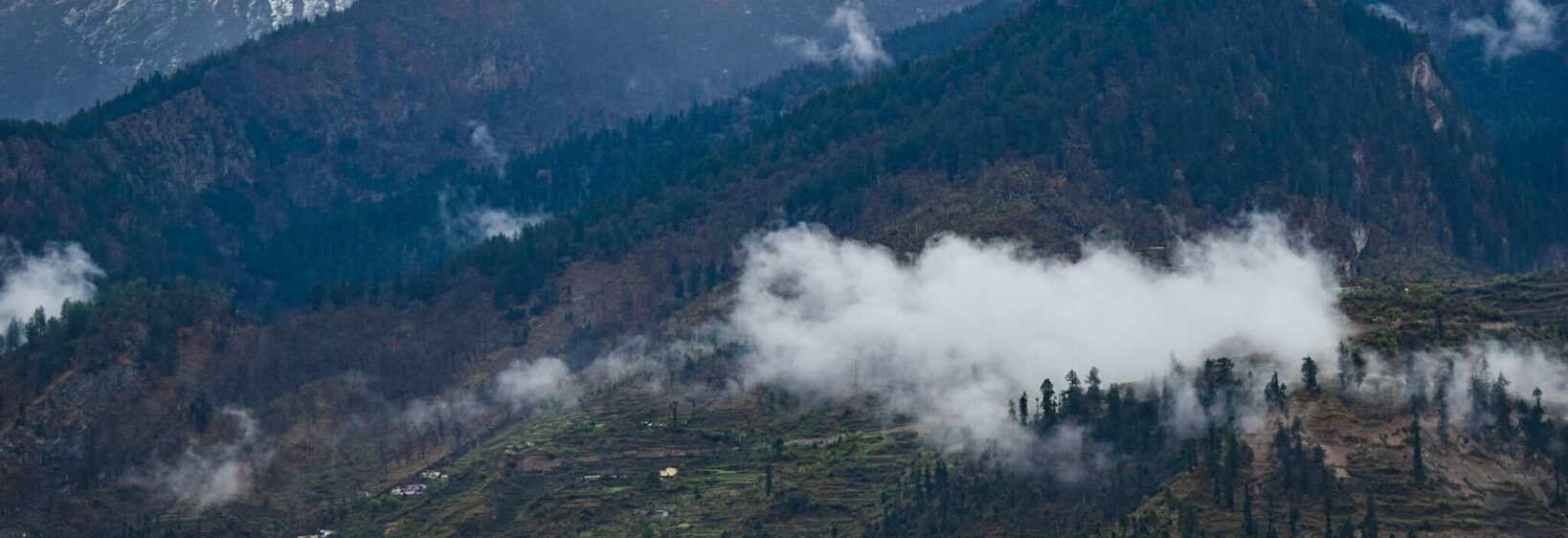
The approach to the shrine reveals the strong contrasts of Uttarakhand: steep hills, exposed rock, forested slopes, and a powerful Himalayan river below. In clear weather, the changing light on the water and cliffs provides excellent opportunities for landscape photography.
The riverbank can also be slippery, particularly during the monsoon or after rain. Visitors should stay away from unstable edges and avoid entering the water when currents are strong. The most attractive photographs often come from a respectful distance, using the cave, temple details, and surrounding hills as a single composition.
| Feature | What Visitors Can Expect |
|---|---|
| Setting | A cave shrine beside the Ganges |
| Main Deity | Lord Shiva, worshipped as Koteshwar Mahadev |
| Experience | Prayer, quiet observation, and river views |
| Photography | Rock textures, temple details, water, and mountain scenery |
| Best Approach | Modest clothing, careful walking, and local guidance |
Visiting With Respect
Koteshwar is a living place of worship rather than a staged tourist attraction. Dress modestly, remove footwear wherever required, and ask before photographing priests, devotees, or ritual objects. A small offering can be purchased locally, but there is no need to turn a spiritual visit into a hurried checklist.
Keep voices low inside the cave and avoid touching carved surfaces or sacred objects without permission. Plastic waste, loud music, and careless behaviour can disturb both worshippers and the fragile riverside environment.
When To Go
The most comfortable periods for visiting are generally spring and the autumn months, when roads and walking paths are often more manageable and the weather is suitable for sightseeing. Winter can bring cold mornings, while summer afternoons may be warm near exposed river sections.
Monsoon travel requires additional caution. Heavy rainfall can cause landslides, swollen streams, slippery steps, and temporary road closures across the Garhwal region. Check local conditions before leaving and allow extra time rather than planning a tightly packed day.
Practical Planning Tips
A visit works best as part of a broader route through the surrounding pilgrimage and hill destinations. Carry drinking water, sun protection, a light layer, and footwear with reliable grip. Mobile connectivity may be inconsistent, so keep offline directions and important contact details available.
- Confirm the current road and footpath conditions before departure.
- Visit early for softer light, cooler temperatures, and a calmer atmosphere.
- Carry small cash for offerings, local transport, or refreshments.
- Follow instructions from temple caretakers and local residents.
- Combine the shrine with nearby river viewpoints and cultural sites.
The Koteshwar Temple caves along the right bank of the Ganges reward travelers who come slowly and respectfully. Add this riverside sanctuary to a Garhwal itinerary, spend time noticing its sounds and textures, and record the journey through photographs that preserve both the landscape and its living traditions.