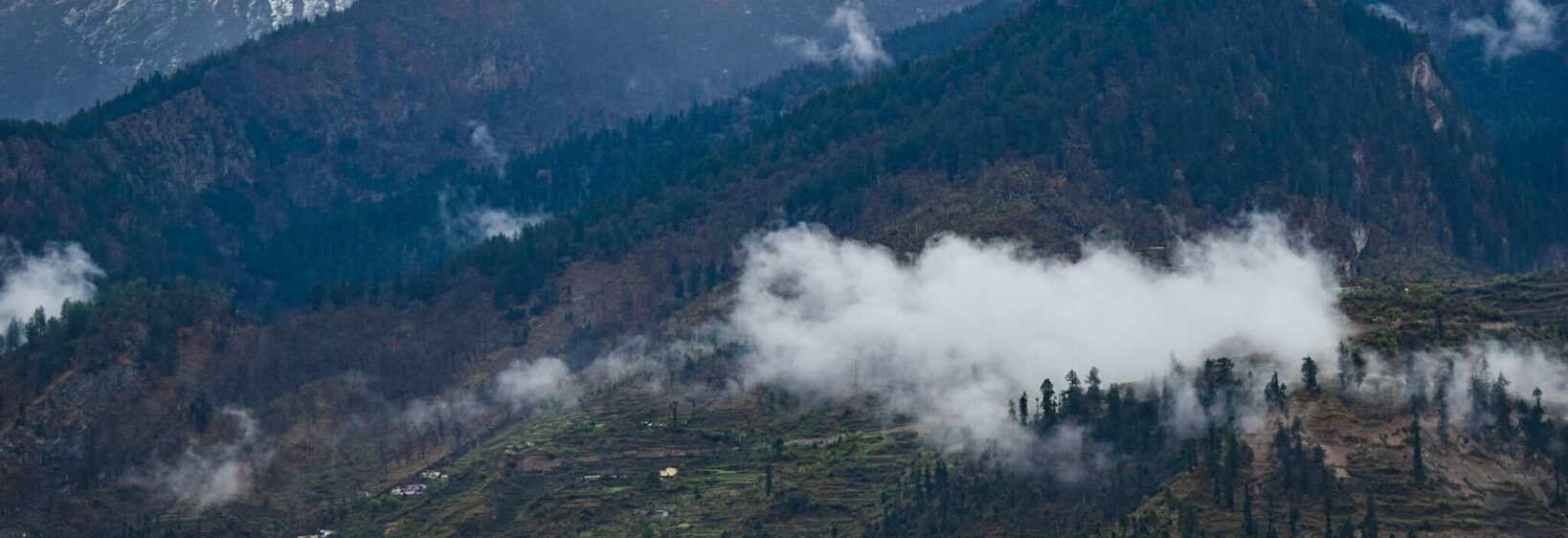
Photographing the traditional Langot dance of the Jaunsar region
In the hill settlements of Jaunsar-Bawar, dance is closely connected with community life, seasonal gatherings, ritual occasions, and local identity. Photographing a traditional Langot dance requires more than recording colourful clothing and energetic movement. It means observing the relationship between performers, musicians, spectators, and the mountain setting around them.
The performance may be presented differently from one village to another, and costume details can change with the occasion. For a respectful visual record, spend time learning the local context before raising your camera. The Uttarakhand photo stories published by local enthusiasts can provide useful inspiration for approaching regional culture with patience and curiosity.
Learn the setting before photographing
Jaunsar lies in the western part of Uttarakhand, where steep slopes, wooden homes, terraced fields, and distinctive folk traditions shape everyday life. A Langot dance may appear during a fair, wedding, religious gathering, cultural programme, or village celebration. Each setting influences the pace, available light, and acceptable distance for photography.
Ask an organiser, elder, or local guide whether photography is welcome. Some moments may be intended for participants rather than visitors, especially when a performance has a ceremonial connection. A simple greeting in the local language, a clear explanation of your purpose, and permission before photographing individuals can create a much more comfortable atmosphere.
Prepare for movement and mountain light
Fast footwork, turning bodies, raised arms, and rhythmic group formations make shutter speed essential. Begin with a shutter speed around 1/500 second for active movement, increasing it when performers move rapidly or the light allows. Continuous autofocus and burst mode can help, but timing remains more important than taking hundreds of identical frames.
Outdoor performances often shift between harsh sunlight and deep shade. Use a moderate aperture such as f/2.8 to f/5.6 when you want to separate a dancer from the background, or f/8 when the whole formation and village setting are important. Check highlights on bright garments and faces, since mountain sunlight can make pale fabric lose detail quickly.
Photograph people, patterns, and place
A strong visual story should include more than posed portraits. Capture the musicians preparing, hands adjusting costume elements, feet marking the rhythm, spectators responding, and children watching from the edge of the gathering. Wide photographs can show the dance within a courtyard or village square, while close frames reveal fabric, jewellery, expressions, and movement.
Look for repeated shapes created by dancers standing in lines or circles. Terraced hillsides, carved wood, stone walls, and traditional houses can add geographical identity without distracting from the performers. A low viewpoint may make the movement feel powerful, while an elevated position can explain the full formation.
Match camera choices to the performance
| Photographic need | Useful approach | Visual result |
|---|---|---|
| Fast footwork | 1/500 second or faster | Sharper action and visible gestures |
| Group formation | f/8 with a wide or standard lens | Clear relationship between dancers |
| Portrait between sequences | 50mm or 85mm lens | Natural expression and soft background |
| Low evening light | Higher ISO and careful exposure | More atmosphere with manageable blur |
| Musicians and details | Medium telephoto lens | Candid frames from a respectful distance |
Avoid using flash unless the organisers specifically approve it. Sudden bursts can interrupt concentration and change the atmosphere of a traditional performance. A quiet camera mode, spare batteries, and extra memory cards are more useful than complicated equipment.
Work respectfully around the community
Clothing associated with a Langot performance should be documented accurately rather than treated as an exotic costume. Do not ask dancers to repeat a ritual gesture simply for a photograph, and avoid stepping into the performance space while the group is moving. If you need a portrait, wait for a natural pause and request permission directly.
Be careful when photographing older residents, children, and people involved in worship. A local contact can explain who may be photographed and which images should remain private. When publishing, add the village or event name only when the information is reliable, and avoid attaching invented cultural explanations to an image.
Build a complete visual story
A photo essay becomes stronger when its images vary in distance and mood. Begin with an establishing frame, follow with preparation and performance photographs, and finish with quieter scenes after the music ends. This rhythm helps viewers understand the event instead of seeing a disconnected collection of action shots.
Food, travel, and conversation can also place the dance within a wider Uttarakhand journey. For example, a regional travel feature can lead readers from mountain culture to everyday local tastes, much as this Rishikesh food guide connects visitors with the atmosphere around Laxman Jhula.
Practical habits for better fieldwork
- Arrive early so you can identify a safe shooting position before the dance begins.
- Carry a versatile zoom lens, a fast prime lens, spare batteries, and a weatherproof camera cover.
- Photograph rehearsals or pauses to capture expressions without interrupting the main performance.
- Record names, village details, and event information immediately after receiving permission.
- Share selected photographs with the performers or community organiser whenever possible.
A thoughtful photographer leaves the gathering with more than sharp images. The best photographs preserve movement, dignity, sound, landscape, and the shared energy of Jaunsar-Bawar without separating the dance from the people who keep it alive.
Plan your visit with a trusted local contact, seek permission before shooting, and create a respectful photo story that helps more people appreciate Uttarakhand’s living folk traditions.