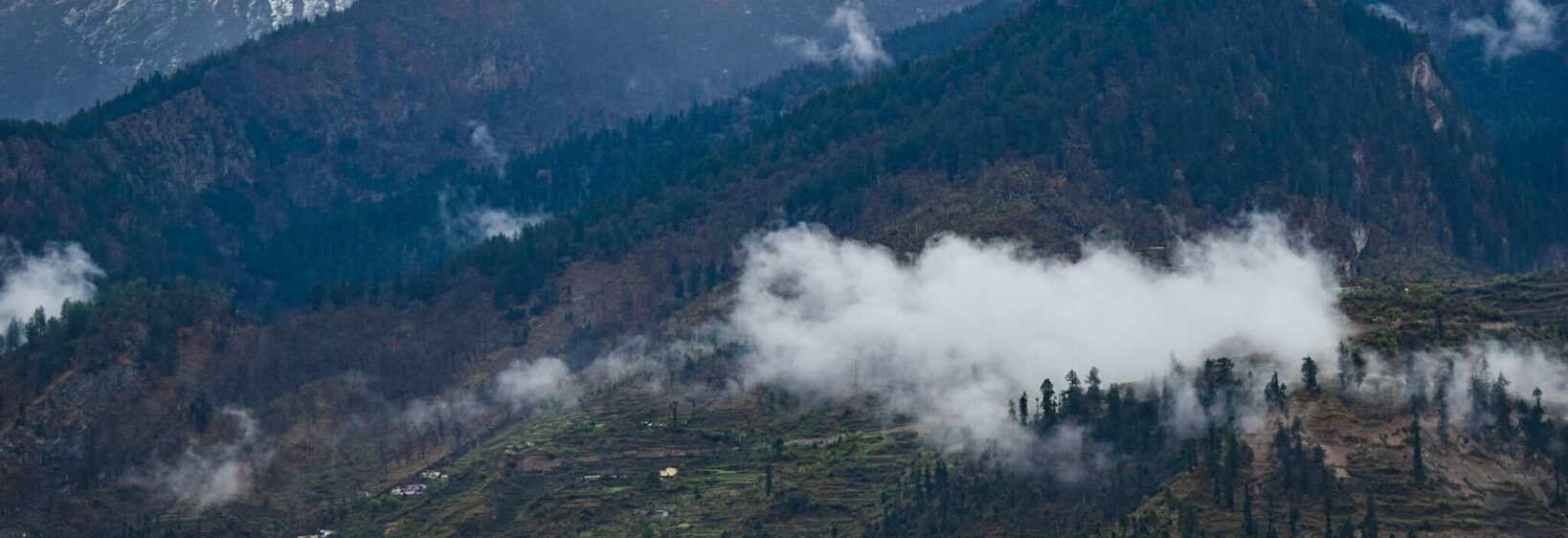
Chakrata Tiger Falls: A secluded waterfall photography spot
Hidden in the forested hills near Chakrata, Tiger Falls offers a refreshing mix of dramatic scenery, quiet trails, and Himalayan atmosphere. Water drops through a rocky gorge before gathering in a clear pool, creating one of Uttarakhand’s most rewarding locations for nature and travel photography.
The waterfall is generally reached by road from Chakrata followed by a short walk, although the exact approach can change with weather and road conditions. The journey itself is part of the experience, with deodar trees, mountain slopes, and occasional village views adding variety to the frame.
Unlike heavily developed tourist attractions, this cascade retains a secluded character. Visitors who arrive early can often find peaceful moments beside the stream, making it easier to photograph flowing water, forest textures, and the landscape without distractions.
Where the trail begins
Tiger Falls lies approximately 20 kilometres from Chakrata, in Dehradun district. A local taxi or private vehicle is usually the most practical way to reach the trailhead. Asking drivers or residents about current road conditions is wise, particularly after monsoon rainfall or during winter.
The final walk may include uneven ground, stone steps, and damp sections near the water. Comfortable footwear with a firm grip is more useful than fashionable shoes, while a small daypack keeps cameras, lenses, water, and snacks manageable on the trail.
When the water looks its best
The waterfall is attractive throughout much of the year, but its personality changes by season. After the monsoon, the flow is powerful and the surrounding vegetation appears intensely green. Spray, moss, and dark wet rocks create rich details for close-up photography.
Winter often brings clearer skies and softer vegetation, while spring offers pleasant walking conditions. Early mornings provide gentle light and fewer visitors. Late afternoon can also work well, but the gorge may become shaded quickly, so photographers should reach the viewpoint with enough daylight for the return walk.
Compositions that tell the story
A wide-angle lens can capture the full relationship between the waterfall, forest canopy, and rocky ravine. Instead of photographing only the falling water, include foreground stones, twisting roots, or a narrow section of trail to give the image depth and a sense of scale.
Telephoto lenses are useful for isolating patterns in the cascade. Look for small streams dividing around rocks, droplets catching side light, and layers of moss beside the pool. A person standing well away from the water can provide scale, but ask permission before featuring another visitor prominently.
Camera settings for moving water
Waterfall photography is especially rewarding when shutter speed is chosen to match the mood. A fast exposure preserves individual splashes, while a slower setting turns the flow into soft white ribbons. Use a tripod where the ground is stable, and protect equipment from spray with a rain cover or dry bag.
| Creative effect | Starting point | Useful adjustment |
|---|---|---|
| Crisp droplets | 1/500 second or faster | Raise ISO if the forest is dark |
| Smooth flowing water | 1/4 to 1 second | Use a tripod and low ISO |
| Dreamy long exposure | 2–10 seconds | Add a neutral-density filter |
| Balanced forest scene | f/8 to f/11 | Focus around the middle distance |
| Close detail of moss or rock | f/4 to f/5.6 | Check the edges for distracting highlights |
Shoot in RAW when possible so shadow detail can be recovered without making the forest look unnatural. A polarising filter may reduce reflections on wet stones, although it can also remove attractive highlights from the water.
Safety and local etiquette
Wet rocks around the plunge pool can be dangerously slippery, and strong currents may develop after heavy rain. Stay behind safe viewing areas, avoid climbing directly beside the cascade, and keep children away from fast-moving water. Weather can shift quickly in the hills, so carry a light waterproof layer even on a sunny morning.
Tiger Falls is a natural attraction rather than a fully managed park. Carry all wrappers home, avoid loud music, and do not damage plants or disturb birds. Visitors planning a wider Uttarakhand journey can also explore the region’s spiritual heritage through Badrinath temple history, adding cultural depth to a photography-focused itinerary.
A simple field checklist
A thoughtful preparation routine helps photographers spend more time observing the scene and less time solving avoidable problems. Pack light, keep electronics protected, and leave room for pauses along the trail rather than treating the visit as a hurried stop.
- Carry a weatherproof camera cover, microfiber cloth, and spare battery.
- Wear grippy footwear and pack a compact first-aid kit.
- Bring a tripod only if you are comfortable carrying it over uneven ground.
- Photograph from stable viewpoints instead of entering the plunge pool.
- Take a few wider images before focusing on close waterfall details.
Respect for the landscape will improve the experience for everyone. Allow the sound of the stream, the cool forest air, and the changing mountain light to shape the photographs rather than forcing every image into the same long-exposure style.
Plan the visit around early light, check local road conditions before leaving Chakrata, and give yourself plenty of time for the return journey. With patience and careful composition, Tiger Falls can become a memorable visual record of Uttarakhand’s quieter natural beauty.