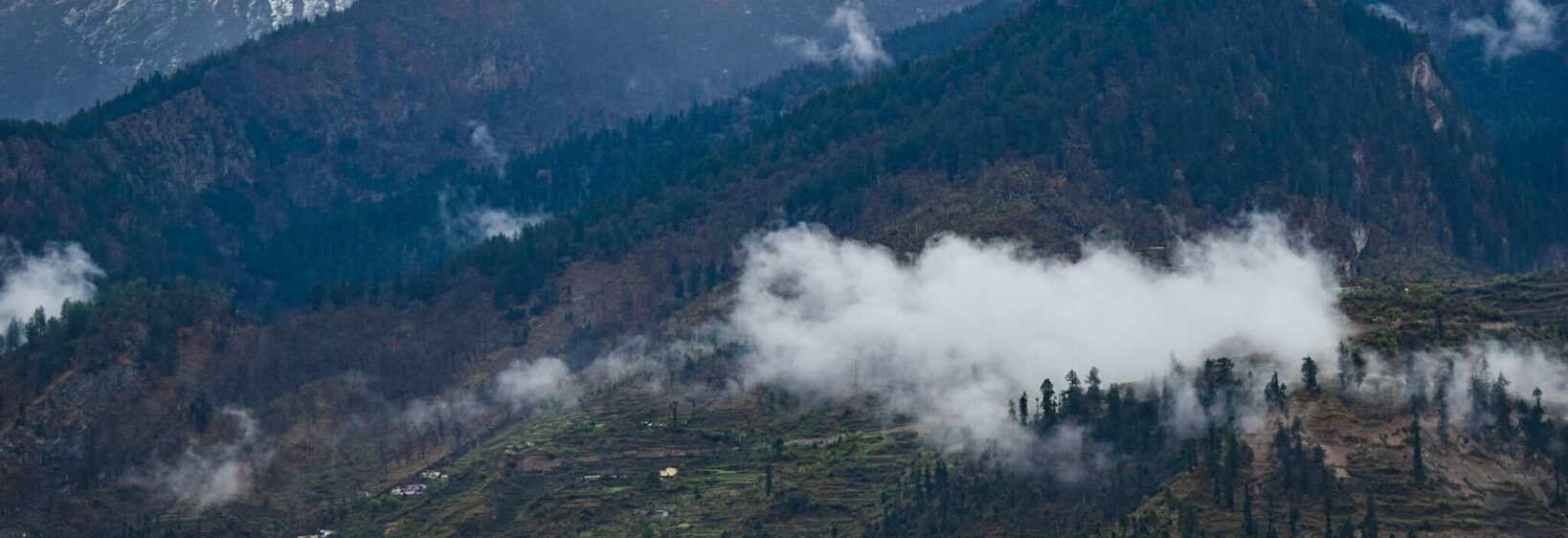
A day in the life of a shepherd near Ali Bedni Bugyal
High above the tree line of Uttarakhand, Ali Bedni Bugyal opens into a vast sweep of alpine meadow. During the warmer months, shepherds bring sheep and goats to these summer pastures, following an old rhythm shaped by weather, water, grass, and the movement of the herd.
For a visitor, the landscape may appear still and untouched. For a pastoral family, however, every day is filled with practical work. The animals must be guided, counted, protected, and moved carefully across steep ground while the shepherd watches the changing mountain sky.
This daily life offers a deeper way to understand the Chamoli region. It connects trekking routes, seasonal migration, local food, folk knowledge, and the quiet resilience of communities living close to the Himalayas.
Before sunrise on the alpine meadow
The day begins before sunlight reaches the ridges. In a temporary shelter or stone-and-wood grazing camp, the shepherd checks the animals and listens for movement outside. Cold air settles over the meadow at night, so the first task is often to make a small fire, prepare tea, and inspect the flock.
Counting the sheep and goats is essential. A missing animal may have wandered toward a ravine, dense patch of dwarf rhododendron, or a distant fold in the land. Experienced shepherds recognise individual animals by colour, markings, size, and behaviour, making the flock feel less like a group and more like a collection of familiar companions.
Guiding the flock through changing terrain
After a simple breakfast of tea, roti, lentils, or locally stored grains, the shepherd leads the animals toward fresh grazing. The route changes from day to day because the meadow cannot be grazed evenly. Wet hollows, exposed slopes, and areas close to water each serve a different purpose.
A staff helps with balance and direction, while dogs may circle the flock and bring straying animals back. The shepherd uses short calls, whistles, and gestures that are easily understood by animals accustomed to the same voice. This knowledge is built through years of walking the bugyal rather than through written instructions.
Midday work, weather, and mountain knowledge
By late morning, the sun can feel strong even when the air remains cool. The shepherd takes a short rest in the shadow of a rock or near a sheltered slope, keeping watch as the flock grazes. Water is collected from dependable springs, and the animals are guided away from unstable ground.
The weather can change rapidly around Ali Bedni Bugyal. Clouds may gather above the peaks, wind can sweep across the grassland, and rain may arrive without much warning. A shepherd reads these signs through cloud movement, bird calls, temperature, and the behaviour of the herd. Such observations are part of the living knowledge of Himalayan pastoral communities.
| Part of the day | Main responsibility | What visitors may notice |
|---|---|---|
| Early morning | Count animals, prepare food, leave the camp | Mist, frost, quiet ridgelines |
| Late morning | Guide grazing and locate water | Herds spread across the meadow |
| Afternoon | Watch weather and protect weaker animals | Clouds building over the peaks |
| Evening | Gather the flock and check injuries | Bells, smoke, and fading light |
| Night | Secure animals and rest | A dark sky with little artificial light |
Food, shelter, and seasonal movement
A shepherd’s camp is usually practical rather than comfortable. Bedding, cooking vessels, woollen clothing, animal feed, and firewood must be carried or stored with care. Meals are filling and uncomplicated, designed to provide energy for long hours outdoors. Milk, curd, butter, grains, and pulses may form part of the seasonal diet, depending on the family and available supplies.
The stay in the high pasture is temporary. When autumn cold becomes severe and grass diminishes, families move their animals toward lower villages. This seasonal movement between summer grazing grounds and winter settlements is known as transhumance. It is a difficult journey, but it also links mountain villages, markets, family homes, and generations of pastoral practice.
The landscape beyond the trekking route
Trekkers often focus on the route to Bedni Kund, the open views of Trisul, and the dramatic sunrise over the bugyal. A shepherd notices different details: a safe resting place, a spring that has not dried, a patch of edible grass, or a slope where animals may scatter.
The connection between quiet landscapes and local culture can also be felt in places far from the busiest trails, such as the quiet village walks around Sunderkhal near Jageshwar. Across Uttarakhand, village paths and high pastures reveal a slower relationship with the land, where walking is tied to work, worship, meditation, and seasonal life.
Respecting pastoral life as a visitor
A respectful traveller treats the shepherd and flock as part of a living community rather than as a staged mountain scene. Photographs can preserve a beautiful memory, but permission should come before close portraits, especially when a shepherd is busy with animals or preparing food.
Visitors can help protect the bugyal by following local guidance and avoiding actions that disturb grazing grounds.
- Keep a quiet distance from sheep, goats, dogs, and temporary camps.
- Ask permission before photographing people or entering a shelter.
- Carry waste back and avoid picking alpine flowers or damaging grass.
- Use established trails so fragile meadow vegetation can recover.
- Support local guides, homestays, porters, and responsible travel services.
As evening settles over Ali Bedni Bugyal, the flock gathers near camp and the last light touches the surrounding peaks. Bells fade into the wind, cooking smoke rises into the cold air, and another day of pastoral work comes to an end. Explore Uttarakhand with patience, carry its stories respectfully, and let the people who live among its mountains guide the way.