A Photo Essay on Pahadi Dhols and Traditional Music Instruments
In Uttarakhand, music often begins before the first dancer enters the courtyard. A deep dhol beat travels through mountain lanes, while the sharper voice of the damau answers from nearby. Together, these instruments create a soundscape associated with weddings, temple festivals, seasonal celebrations, processions, and village gatherings.
Photographing these instruments means documenting more than wood, leather, and brass. Each drum carries the memory of a musician, a family tradition, and a particular moment in community life. The hands that tighten the ropes, the dust rising beneath dancing feet, and the concentration on a performer’s face are all part of the visual story.
This photo essay follows the rhythms of Garhwal and Kumaon through close details, portraits, movement, and landscape. For more visual stories about Uttarakhand’s people and places, explore the UK Photos Gallery.
The Sound Of The Dhol And Damau
The dhol is a large double-headed drum played with sticks, producing the powerful bass pulse heard across many hill celebrations. The smaller damau provides a higher, more cutting rhythm. Played together by skilled musicians, the dhol-damau pair can signal the beginning of a ceremony, accompany a procession, or support traditional dance.
A strong photograph can show this relationship through contrast: the broad curved body of the dhol beside the compact damau, thick drumheads against polished wood, and moving sticks frozen at the peak of a beat. Details such as worn straps, painted surfaces, and stretched leather reveal how frequently these instruments are used.
Instruments With Ritual Meaning
The hurka, a small hourglass-shaped drum, is closely linked with folk singing and storytelling. In parts of Uttarakhand, hurka performances accompany ballads, devotional singing, and local narratives. Its compact form makes it easy to carry, yet its rhythm can hold an audience in complete attention.
The ransingha and bhankora add a ceremonial, almost elemental quality. Their curved or long metal bodies produce bold calls that suit temple courtyards and open mountain spaces. In a photograph, these horns work especially well against stone shrines, cedar forests, and broad Himalayan skies.
Reading Rhythm Through A Camera
Music photography depends on timing. A fast shutter speed captures the exact moment a stick touches the drumhead, while a slower exposure can blur the performer’s hands and make the rhythm visible. Wide frames place musicians within the village setting; close portraits reveal breath, effort, and concentration.
Natural light is often the most expressive choice. Morning light can bring out the texture of drum skins and brass, while evening lamps create a warm atmosphere during temple gatherings. A respectful photographer should ask permission before making close portraits, especially during sacred rituals or private family ceremonies.
| Instrument | Distinctive Sound | Common Cultural Setting | Strong Photographic Detail |
|---|---|---|---|
| Dhol | Deep, resonant pulse | Weddings, festivals, processions | Drumhead, sticks, shoulder strap |
| Damau | Sharp, answering rhythm | Ceremonial music and dancing | Compact body and paired performance |
| Hurka | Light, rapid beat | Folk songs and storytelling | Hourglass shape and hand movement |
| Ransingha | Bold, trumpet-like call | Temple events and public ceremonies | Curved metal silhouette |
| Bhankora | Long, strong brass tone | Ritual gatherings and processions | Profile against the landscape |
Music In Village Life
Traditional instruments are woven into everyday relationships. A wedding band may lead relatives through narrow streets, while musicians at a village fair set the pace for dancers and singers. During religious events, the beat can announce a procession long before it becomes visible.
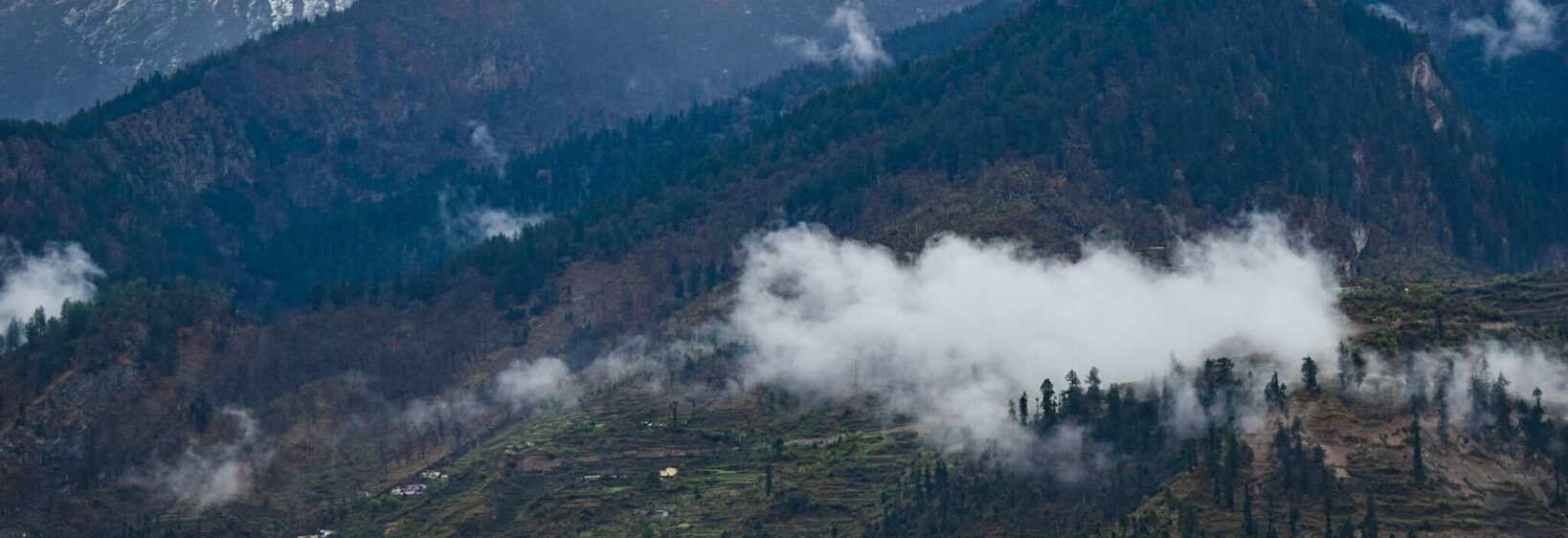
These occasions provide layered photographs: children watching from doorways, elders following the musicians, bright clothing moving through muted stone houses, and performers pausing beneath temple bells. The surrounding landscape matters as much as the instruments because Pahadi music is shaped by distance, echo, steep paths, and open valleys.
Portraits Of The Performers
A musician’s portrait should communicate experience rather than simply record appearance. Look for the moment before a performance, when the performer adjusts a strap or checks the drum’s tension. Lines on the hands, calluses, embroidered clothing, and focused eyes can tell a deeper story than a posed image.
Environmental portraits are particularly meaningful in Uttarakhand. Photographing a dhol player beside a village home, a hurka performer near a stone shrine, or a horn player on a festival route connects the person to place. These images preserve the relationship between cultural practice and the mountain communities that sustain it.
Photographing Sound With Respect
The strongest visual record is built through patience and cultural awareness. Avoid interrupting a ritual for a better angle, and learn whether flash photography is acceptable. Speak with performers when possible; their explanations may identify an instrument, describe its history, or clarify when it should be played.
Useful approaches for a respectful music photo story include:
- Arrive early to photograph preparation before the public performance begins.
- Use a mix of wide, medium, and close compositions to build a complete narrative.
- Record the names of instruments, performers, villages, and festivals accurately.
- Protect the dignity of sacred moments by observing before taking photographs.
- Pair music images with related craft stories, such as this feature on wool weaving in Bageshwar.
Preserving A Living Tradition
Pahadi instruments are part of a living heritage, not museum objects. Their sounds continue to accompany ceremonies, seasonal gatherings, folk dances, and local storytelling. Yet younger generations may face fewer opportunities to learn traditional performance as lifestyles change and migration reshapes village communities.
A thoughtful photo essay can help preserve these details for future viewers while giving proper recognition to the artists who keep the music alive. Let the images show rhythm through gesture, texture, movement, and place, then share the finished story with the care these traditions deserve. Plan a journey through Uttarakhand’s villages and festivals, and make space in your photographs for the voices of its musicians.