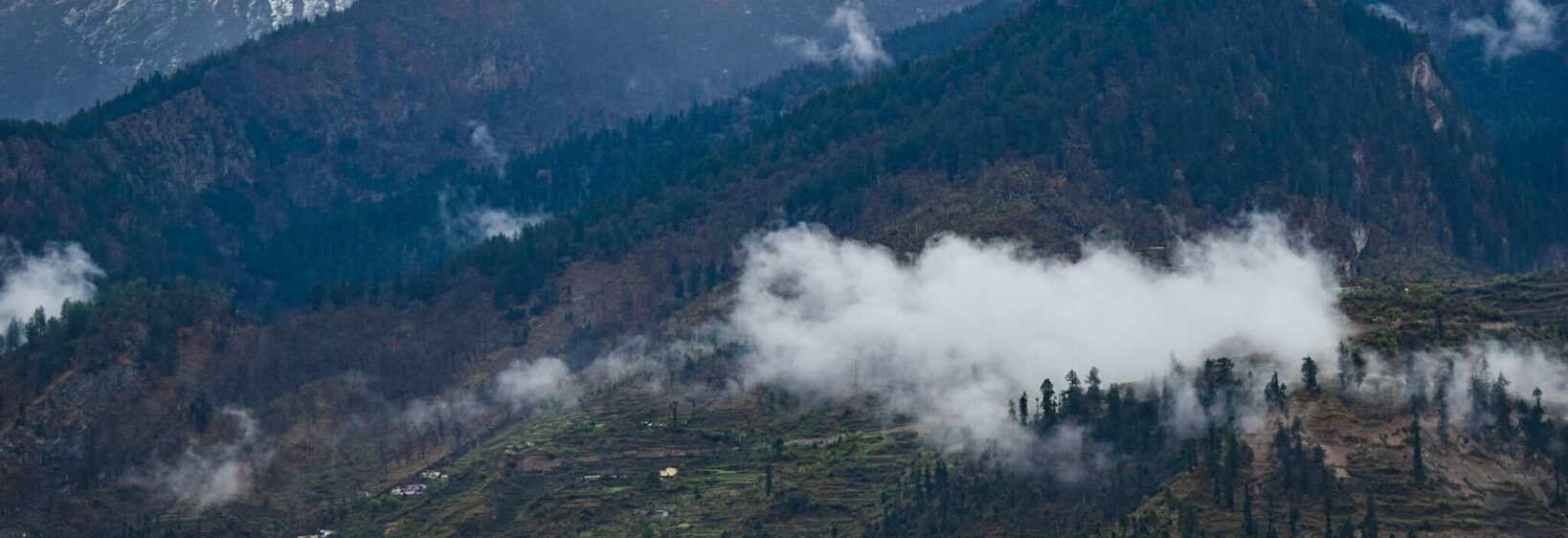
Photographing Himalayan Musk Deer In Askot Wildlife Sanctuary
Askot Wildlife Sanctuary lies in Pithoragarh district, in the eastern Himalayas of Uttarakhand. Its rugged slopes, alpine meadows, dense forests, and high mountain valleys create a remarkable setting for wildlife photography. The sanctuary is especially associated with the elusive Himalayan musk deer, a small ungulate that moves quietly through steep, forested terrain.
Photographing this animal requires patience, preparation, and respect for its habitat. A lucky sighting may last only a few seconds, so the best images usually come from careful observation rather than hurried movement. Along the way, photographers can capture rhododendron forests, mountain birds, remote villages, and changing Himalayan light.
For broader visual inspiration from Uttarakhand, browse the regional travel stories and destination images on Uttarakhand travel stories, which offer useful context for planning a photo-focused journey.
Understanding The Himalayan Musk Deer
The Himalayan musk deer is a shy, solitary animal found across high-altitude forest zones. Unlike larger deer, it has no antlers. The male has prominent upper canine teeth, while both sexes have a compact body, strong hind legs, and a habit of moving through thick vegetation.
This deer is most active during the early morning and late afternoon, when the forest is quiet and the light is softer. It often feeds on grasses, leaves, moss, lichens, and low-growing plants. Its muted brown coat blends easily with rocks, shadows, and tree trunks, making camouflage one of the greatest challenges for photographers.
Landscapes And Habitat To Explore
Askot’s landscape changes dramatically with elevation. Lower areas may include subtropical woodland and cultivated slopes, while higher sections lead toward temperate forests, conifer stands, and open alpine pasture. These transitions provide a range of photographic subjects beyond the musk deer itself.
Look for moss-covered branches, mist moving through oak forests, distant snow peaks, and narrow mountain trails. A telephoto lens can isolate wildlife, while a wide-angle lens records the relationship between the animal and its Himalayan surroundings. Avoid disturbing vegetation while seeking a clearer composition.
Choosing The Right Season
Spring brings fresh foliage, flowering rhododendrons, and pleasant conditions for walking. Summer can offer clear mornings, although afternoon cloud and rain may reduce visibility. Autumn is often attractive for landscape photography because of crisp air and warm forest tones.
Winter brings a quieter atmosphere and the possibility of snow at higher elevations, but roads and trails may become difficult. Always check local access conditions, weather forecasts, forest regulations, and guide availability before setting out.
| Field Condition | Photography Advantage | Main Difficulty |
|---|---|---|
| Early morning | Soft light and active wildlife | Cold temperatures and low visibility |
| Late afternoon | Warm tones and animal movement | Short shooting window |
| Spring forest | Fresh greenery and flowers | Changing weather |
| Autumn slopes | Clear mountain views | Dry, dusty trails |
| Winter habitat | Snow-covered scenery | Difficult access and limited daylight |
Fieldcraft For A Quiet Sighting
Move slowly and keep conversations low. Musk deer respond quickly to sudden sound, unfamiliar movement, and strong human scent. A local guide or experienced tracker can help identify hoofprints, feeding signs, and regular routes without leading visitors into sensitive areas.
Use natural cover such as trees and rocks, but never chase an animal for a better frame. A monopod can help on uneven ground, while image stabilization and a fast shutter speed are useful when the deer appears between branches. Shoot several frames quietly, then lower the camera and allow the animal to move away.
Camera Settings And Composition
A telephoto lens in the 300–600 mm range is useful for maintaining distance. Because the forest floor can be dark, raise the ISO carefully and keep the shutter speed high enough to freeze movement. Continuous autofocus and animal or subject tracking can help, though dense foliage may confuse the camera.
Try placing the deer off-center and include a small amount of habitat in the frame. Eye-level images are often more intimate, but a wider composition showing steep slopes or alpine forest can tell a stronger conservation story. Natural light is preferable to flash, which can startle wildlife and disrupt its behavior.
Protecting The Sanctuary
The value of a wildlife photograph depends on the welfare of the animal behind it. Do not use playback calls, bait, bright lights, drones, or loud group activity to force a sighting. Keep a safe distance and follow instructions from forest officials and local guides.
Avoid litter, carry reusable water containers, and stay on permitted routes. Photography permits may be required in protected areas, and access rules can vary by season or zone. Supporting local guides and homestays also helps connect tourism income with the protection of this distinctive Himalayan habitat.
Practical Advice For Wildlife Photographers
- Carry a weatherproof camera bag, spare batteries, memory cards, and lens cloths.
- Wear muted, layered clothing with sturdy shoes suited to steep and slippery trails.
- Pack water, high-energy snacks, sun protection, and basic first-aid supplies.
- Record the location and behavior of each sighting without sharing sensitive coordinates publicly.
- Hire a knowledgeable local guide familiar with musk deer habitat and sanctuary regulations.
A visit to Askot Wildlife Sanctuary rewards photographers who value observation as much as the final image. Prepare for changing mountain conditions, allow generous time in the field, and let the forest set the pace. With patience and responsible technique, even a brief glimpse of the Himalayan musk deer can become a memorable record of Uttarakhand’s wild highlands.