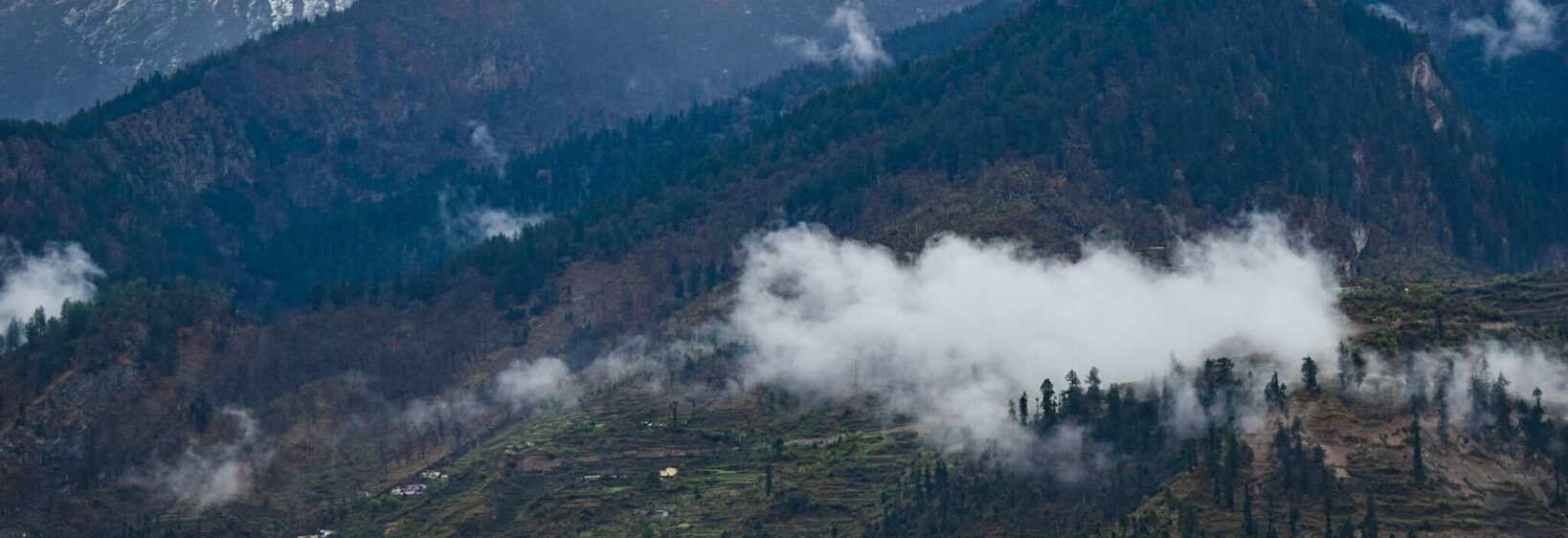
Chamba Bazaar at Dusk Through a Street Photographer’s Lens
As daylight fades across the Tehri hills, Chamba Bazaar changes its character. Shop shutters remain open, tea begins to boil in steel kettles, and the last warm light settles over painted signs, woollen caps, fruit stalls, and passing motorcycles. This is the hour when the market feels both lively and intimate.
The Chamba Bazaar at Dusk offers a rewarding subject for street photography because ordinary scenes become layered with colour and atmosphere. The blue-grey ridges behind the town, amber bulbs beneath shop awnings, and silhouettes moving through narrow lanes create a natural contrast that is difficult to recreate elsewhere.
Chamba is a practical hill town rather than a staged tourist attraction. Its visual appeal comes from daily life: a shopkeeper counting notes, schoolchildren walking home, drivers exchanging news, and families pausing for snacks before continuing towards New Tehri, Tehri Garhwal, or the surrounding villages.
Finding The Right Evening Light
Begin walking through the market around half an hour before sunset. At this point, the sky still holds enough detail to reveal the mountain contours, while the storefronts are beginning to glow. This short period is ideal for balanced exposures that include both the bright horizon and the darker street.
Look for places where the road bends or slopes gently. A curve can lead the eye towards a cluster of shops, while a higher viewpoint may reveal layers of rooftops and distant forested ridges. Avoid rushing from one scene to another; the strongest images often appear after several minutes of watching the same corner.
Details That Give The Bazaar Its Character
Wide photographs establish the setting, but close-up images tell the story of the market. Capture stacked spice packets, hand-painted price boards, metal tea glasses, vegetables arranged in shallow crates, and the textures of old wooden counters. These details connect the town’s landscape with its everyday culture.
Human presence adds scale and emotion. Ask permission before making a close portrait, especially when photographing vendors or older residents. A simple greeting in Hindi or the local Garhwali language can make the interaction more comfortable and respectful.
Working With Movement And Low Light
Dusk photography requires a flexible approach. A fast lens or a phone’s night mode can preserve detail as the light drops, but artificial sharpening may make signs and faces look unnatural. Lowering exposure slightly often protects the warm glow of bulbs and gives the image a richer evening mood.
Allow moving subjects to become part of the composition. A blurred scooter headlight, a pedestrian crossing through a pool of light, or a shopkeeper turning towards a customer can suggest the rhythm of the bazaar. Use a wall, railing, or storefront to steady the camera when the shutter speed becomes slow.
| Scene | Best visual approach | Useful detail |
|---|---|---|
| Tea stall | Close framing and warm tones | Steam, hands, metal cups |
| Main market lane | Wider composition | Traffic, signs, layered lights |
| Vegetable shop | Texture and colour | Crates, weighing scales, produce |
| Mountain-facing road | Silhouette or exposure blend | Ridge line and fading sky |
| Closing shops | Documentary framing | Shutters, workers, evening shadows |
A Short Walk With Many Stories
A compact evening route can begin near the central market and continue along the busier road towards the outer shops. Pause at intersections where pedestrians, taxis, and local traders naturally converge. These crossings often offer spontaneous gestures and overlapping layers without requiring dramatic scenery.
For background and visual inspiration, browse Uttarakhand photo stories before planning a wider journey through the region. Comparing images of other hill towns can help you notice recurring elements such as verandas, mountain roads, temple flags, and the changing colours of Himalayan light.
Respecting The People Behind The Images
Street photography works best when it remains observant rather than intrusive. Do not photograph private conversations, children, religious rituals, or workers in vulnerable situations without consent. If someone objects, lower the camera and move on without an argument.
Support the market while you are there. Buy tea, local snacks, fruit, or a small household item instead of treating the bazaar only as a backdrop. These simple exchanges create trust and may lead to better conversations about Chamba’s traditions, seasonal work, and nearby attractions.
Practical Tips For A Better Photo Walk
Carry only the equipment you can use comfortably on uneven roads. A small camera, one versatile lens, spare battery, and a soft cloth are usually more useful than a heavy kit. Keep your belongings secure in crowded areas, particularly when buses or shared taxis arrive.
- Arrive before sunset to scout light, routes, and quieter viewpoints.
- Use shop lights as natural illumination instead of relying on a harsh flash.
- Photograph both broad market scenes and small details for a complete visual story.
- Wear shoes with good grip and carry a light layer for the cooler evening air.
- Back up images after the walk and record the location while memories are fresh.
A thoughtful dusk walk through Chamba can become more than a collection of attractive frames. It can preserve the changing mood of a hill town, from the final gold on the ridges to the first deep shadows beneath the awnings. Take your camera, walk slowly, and let the people, light, and landscape shape the story.