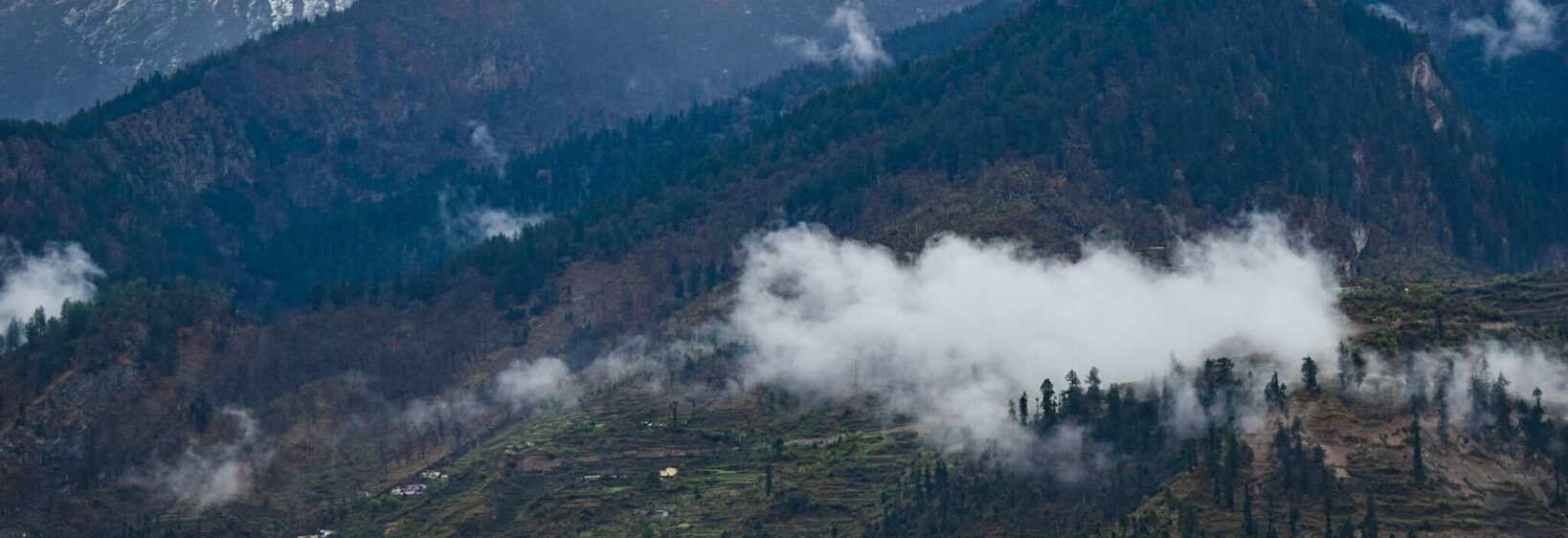
Ghangaria meadow: seasonal campsites and photo opportunities
Ghangaria is a high-altitude settlement in Uttarakhand’s Chamoli district and the main base for visiting the Valley of Flowers and Hemkund Sahib. During the warmer months, the quiet landscape around the village becomes a lively seasonal hub, with guesthouses, tented accommodation, mule services, and trekking facilities.
The surrounding meadow, forest paths, mountain streams, and changing Himalayan light make Ghangaria especially appealing to photographers. Every route offers a different subject, from wildflowers and deodar trees to mist-covered ridges and pilgrims walking towards Hemkund Sahib.
When the meadow comes alive
Ghangaria is generally accessible during the trekking season, which usually runs from late spring to early autumn. Snow can remain on the trails in the early season, while heavy rain and landslides may affect travel during the monsoon. By autumn, the air is clearer, the vegetation begins to change colour, and the settlement gradually prepares for winter closure.
The meadow does not function like a permanent lowland campsite. Accommodation and tented facilities are seasonal, and availability can change with weather, local permissions, and visitor demand. Travellers should confirm whether camping is permitted at their chosen site instead of pitching a tent independently.
Reaching the base village
The usual journey involves travelling by road to Govindghat, followed by a trek towards Ghangaria. A newer road and shuttle arrangements may reduce part of the traditional walking route, but the final approach still requires preparation for steep, uneven Himalayan terrain. The distance, altitude, and weather can make the trek tiring even for experienced walkers.
Allow time for rest and acclimatisation after reaching the village. Comfortable trekking shoes, a waterproof layer, a headlamp, walking poles, and a reusable water bottle are useful. Pack camera equipment carefully because rain, fog, mud, and sudden temperature changes are common.
Best scenes for landscape photography
Early morning is ideal for photographing quiet trails, pale sunlight over the ridgelines, and mist lifting from the valley. The path beyond Ghangaria often provides layered compositions, with a narrow trail leading towards distant slopes. A wide-angle lens can capture the scale of the landscape, while a short telephoto lens helps isolate waterfalls, ridges, and hikers against the scenery.
Clouds are part of the character of this region rather than an obstacle. Soft, diffused light can reveal details in green meadows and forest textures, while brief breaks in the cloud may illuminate a single mountain face. For another Uttarakhand landscape where water, terrain, and changing light shape the image, these Rudraprayag photography tips offer useful inspiration.
Seasonal subjects and camera opportunities
The Valley of Flowers is known for alpine blooms, but visitors should remain on marked paths and follow park rules. Flowers are easily damaged by footsteps, and picking plants is prohibited. A macro lens or the close-focus setting on a phone can capture colour and texture without disturbing the surrounding meadow.
| Season | Landscape character | Strongest photo subjects | Practical note |
|---|---|---|---|
| Early season | Patches of snow and fresh greenery | Snow lines, streams, misty forests | Trails may be slippery |
| Monsoon months | Lush vegetation and frequent cloud | Wildflowers, waterfalls, atmospheric views | Carry waterproof protection |
| Late season | Clearer skies and changing foliage | Mountain layers, golden light, village scenes | Nights become colder |
| Winter | Snowbound and largely closed | Not generally accessible for regular trekking | Facilities may be unavailable |
Ghangaria itself also offers worthwhile images. Photograph the settlement at dawn before the trails become busy, focusing on timber structures, prayer flags, pack animals, and the contrast between everyday mountain life and dramatic slopes. Ask before photographing residents, workers, or pilgrims at close range.
Campsite planning and responsible travel
A seasonal camp near Ghangaria can be comfortable when arranged through a permitted operator. Check what is included, such as bedding, meals, toilets, hot water, and electricity. Mobile connectivity and power supply may be limited, so carry spare batteries or a charged power bank in a weatherproof pouch.
Keep the area clean and avoid disposable plastic. Use established toilets, refill water where safe, and take non-biodegradable waste back to an authorised collection point. Fires, loud music, and off-trail exploration can damage fragile mountain habitats and disturb both residents and wildlife.
A practical photography checklist
- Carry a weather-sealed camera bag or dry pouch for sudden rain.
- Use a polarising filter carefully to control glare on wet leaves and streams.
- Bring spare batteries because cold temperatures reduce battery life.
- Keep a lightweight tripod for dawn exposures and low-light village scenes.
- Photograph from marked paths and avoid trampling flowers or unstable slopes.
The best photographs from Ghangaria usually come from patience rather than strenuous equipment. Watch how fog moves through the trees, wait for a break in the cloud, and return to the same viewpoint at different times of day. A simple image of a trail, a tent, or a distant pilgrim can communicate the atmosphere of this seasonal Himalayan settlement.
Plan your visit around the official trekking window, check current access conditions before departure, and choose accommodation that respects local rules and the fragile alpine environment. With thoughtful preparation, Ghangaria can provide memorable photographs of Uttarakhand’s meadows, forests, culture, and high mountain light.