Photographing the Ancient Lakhudiyar Rock Paintings Near Almora
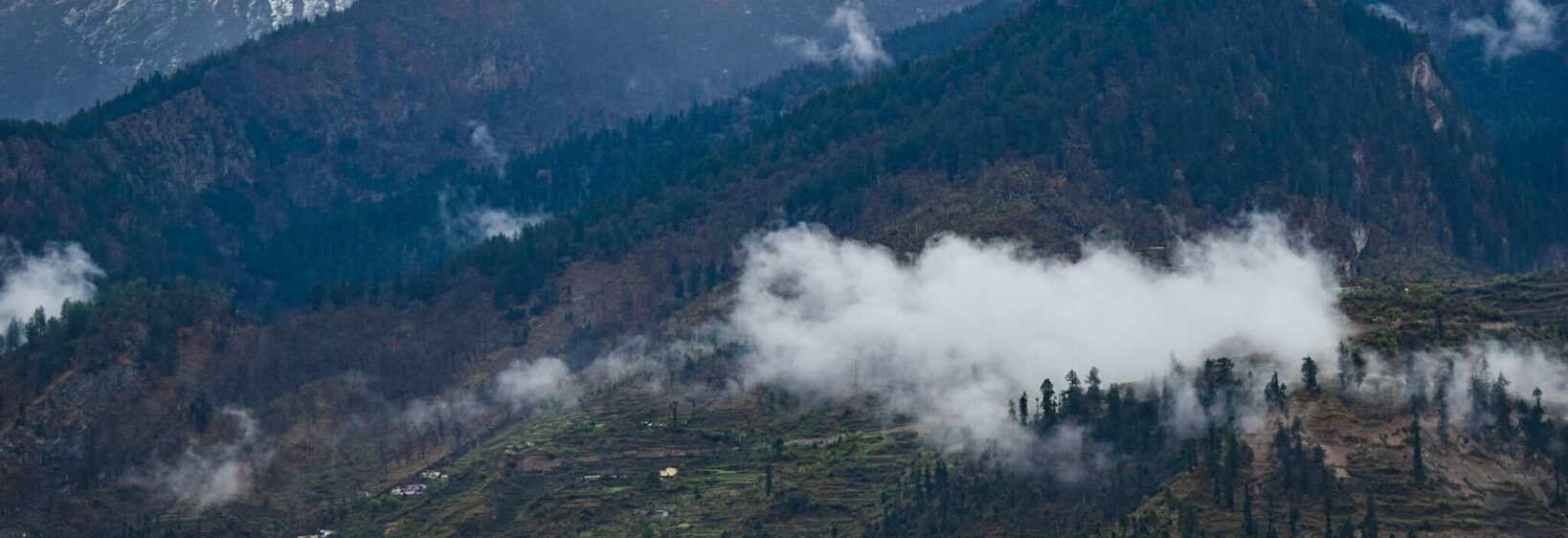
Hidden among the hills near Almora, Lakhudiyar preserves a remarkable record of early human expression. Its rock shelters contain prehistoric paintings in earthy shades of red, white, and black, showing figures, animals, hunting scenes, and geometric patterns. The site offers photographers a rare chance to connect landscape photography with Uttarakhand’s archaeological heritage.
Lakhudiyar is located near the Suyal River, along the Almora–Barechhina route. The setting is modest rather than monumental: weathered rock surfaces, dry grass, surrounding hills, and quiet village scenery. This simplicity makes careful observation more important than elaborate equipment.
A respectful visit can produce meaningful images while helping preserve fragile pictographs for future generations. Before travelling, use Uttarakhand travel resources to understand nearby routes, attractions, and seasonal conditions.
Understanding The Rock Shelter
The name Lakhudiyar is commonly associated with a place containing many thousands of years of human history. The paintings are generally linked with prehistoric communities and are valued for their glimpses into early life, movement, rituals, and hunting practices. Their exact age and interpretation can vary, so photography should avoid presenting every shape as a certain narrative.
The artwork appears on naturally weathered rock faces rather than smooth gallery walls. Some marks are faint, partly eroded, or difficult to distinguish from mineral stains. Looking closely without touching the surface allows the details to emerge gradually through changes in angle and light.
Choosing The Best Time
Soft morning light is usually the safest choice for photographing the shelter. Low-angle illumination can reveal texture without creating harsh reflections, while the surrounding hills may receive a warm glow. Late afternoon also works well, although direct sunlight can make some painted areas appear washed out.
Cloudy weather provides even illumination for documentation, especially when photographing a sheltered wall. Avoid using strong flash, as it can flatten the rock texture and create bright hotspots. A small LED light should only be considered with local permission and never positioned close to the paintings.
| Photography Goal | Useful Approach | Main Benefit |
|---|---|---|
| Record the entire shelter | Wide-angle lens and level framing | Shows the artwork within its setting |
| Capture faded symbols | Standard or short telephoto lens | Provides detail without getting too close |
| Show rock texture | Side lighting and low ISO | Reveals cracks, grain, and surface relief |
| Photograph the landscape | Moderate wide-angle lens | Connects Lakhudiyar with the Almora hills |
| Make a visual record | Tripod where permitted | Supports sharp, consistent images |
Camera Settings And Composition
A camera with manual controls is useful, but a phone can also produce strong results when handled carefully. Start with a low or moderate ISO, focus on the painted surface, and check highlights on the rock. Slight underexposure can help retain colour in pale mineral backgrounds.
Include both wide environmental frames and restrained close-ups. A person standing well away from the shelter can show scale, while a detail image can emphasize pigment, cracks, and overlapping marks. Keep vertical lines natural and avoid excessive cropping that removes the connection between the art and its setting.
A polarizing filter may reduce glare from nearby vegetation or exposed stone, but it can also deepen shadows inside the shelter. Test it gradually rather than rotating it to maximum effect. Shoot in RAW when possible so subtle colour and contrast can be adjusted later without aggressive editing.
Photographing Faded Pigments
Ancient pigment is vulnerable to dust, moisture, abrasion, and repeated contact. Never wet the surface, chalk over faint lines, brush away dust, or place objects beside the paintings for scale. Even a light touch can remove particles that have survived for centuries.
For clearer images, change your position before changing the scene. A few steps to the side may reveal a red line hidden by glare. Bracketing several exposures can help when bright rock and dark shelter interiors appear in the same frame, provided the camera remains stationary and the process does not inconvenience other visitors.
Travel And Access Around Almora
The site is best visited as part of a wider Almora journey that may include traditional villages, forest viewpoints, temples, and cultural attractions. Roads in the hill region can be narrow, and travel times are often longer than map distances suggest. Begin early, carry drinking water, and allow time for careful viewing rather than treating the shelter as a rushed stop.
A local guide or knowledgeable resident can help identify the rock art, explain access customs, and point out surrounding features that might otherwise be missed. Ask before photographing people, homes, or religious objects in nearby communities. Responsible travel keeps the focus on appreciation rather than intrusion.
A Field Checklist For Responsible Images
- Carry a camera or phone, spare battery, power bank, and a small microfiber cloth.
- Use a tripod only where it does not block paths or damage the ground.
- Keep bags, food, and footwear away from the painted rock surface.
- Record the date, weather, location, and approximate direction of each photograph.
- Follow signs, local instructions, and any archaeological protection rules.
The strongest photographs of Lakhudiyar will combine visual quality with restraint. Show the surrounding Himalayan landscape, preserve the true colours of the pigments, and leave the shelter exactly as you found it. Plan a slow visit from Almora, photograph with care, and let this quiet archaeological site become part of a thoughtful Uttarakhand travel story.