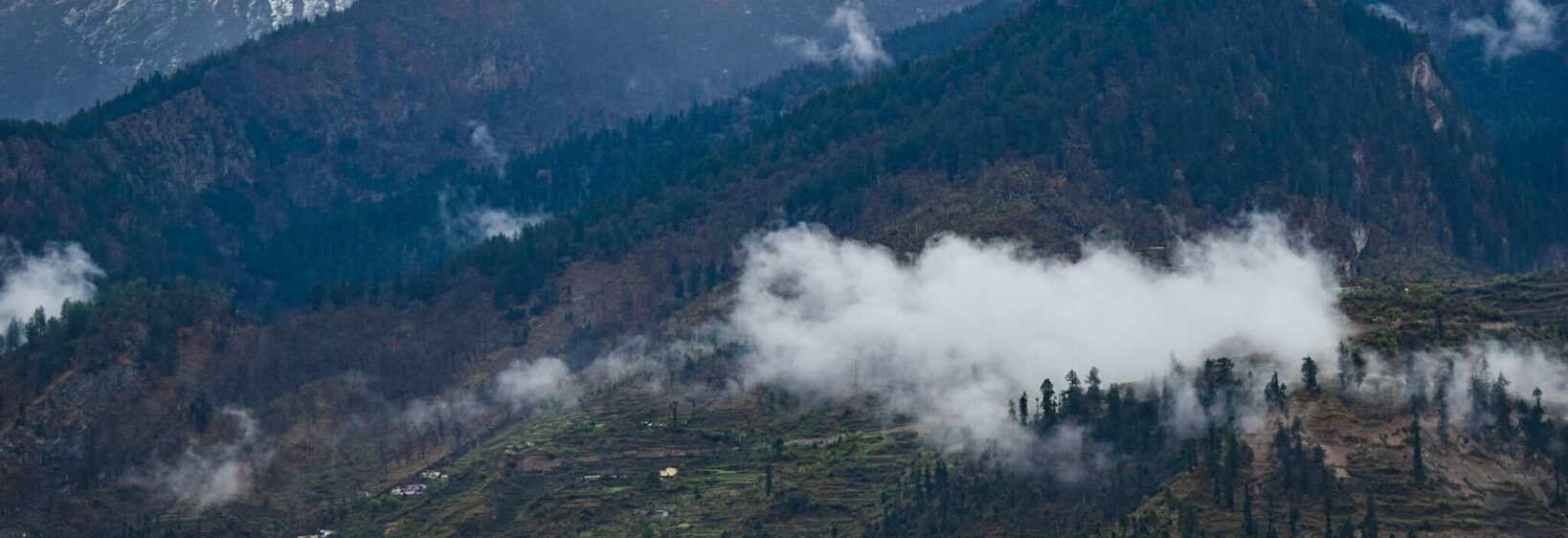
Surkanda Devi Temple During Ganga Dussehra
Surkanda Devi Temple stands among the forested heights of Tehri Garhwal, close to Dhanaulti and the Kaddukhal road. Dedicated to Goddess Surkanda, this hill shrine combines Himalayan scenery, local faith, and a rewarding approach through deodar and oak woodland.
During Ganga Dussehra, the temple takes on added spiritual importance. Worshippers visit to offer prayers, seek blessings, and honour the sacred connection between the Ganga and the mountain traditions of Uttarakhand. The festival usually falls in the Jyeshtha month, although the exact dates change each year according to the Hindu lunar calendar.
For travellers who enjoy combining pilgrimage with landscape photography, the occasion offers views of forest ridges, distant Himalayan peaks, prayer rituals, and village life. The Uttarakhand travel blog also provides useful visual context for exploring the region’s temples, towns, and natural attractions.
The Sacred Story Of Surkanda Devi
Local tradition connects Surkanda Devi with the story of Sati and Lord Shiva. According to popular belief, a part of Sati’s body fell here while Shiva carried her body across the sky. Many devotees identify the site as a Shakti shrine, while the name Surkanda is often associated with the word “sir,” meaning head.
The temple’s spiritual character is closely tied to its elevation and isolation. Visitors climb toward a compact hilltop shrine surrounded by open skies and mountain forests. Bells, red cloth offerings, incense, and devotional songs create an atmosphere that feels intimate rather than theatrical.
Ganga Dussehra At The Hill Shrine
Ganga Dussehra celebrates the descent of the sacred Ganga to Earth. At Surkanda Devi, the festival is observed through temple prayers, ritual offerings, chanting, and visits from devotees travelling from nearby towns and villages. The occasion is especially meaningful for families who maintain long-standing connections with the shrine.
The celebration may be quieter than the large gatherings held along the Ganga in Haridwar or Rishikesh, yet its mountain setting gives it a distinctive character. The sound of bells and hymns carries across the ridge, while pilgrims pause to enjoy the cool air and broad views after completing the uphill journey.
Reaching The Temple From Kaddukhal
Kaddukhal is the usual starting point for the final approach to Surkanda Devi Temple. The traditional footpath is approximately one and a half to two kilometres, with a steady climb that can feel demanding for visitors unused to high-altitude walking. Comfortable shoes, drinking water, and a relaxed pace make the route easier.
A ropeway has also made access more convenient for many pilgrims and older travellers, but operating schedules can change with weather, maintenance, or seasonal demand. Check current local information before planning around it. The road from Mussoorie or Dehradun passes through scenic mountain settlements, so extra travel time is sensible during the festival period.
What To Expect During A Festival Visit
Ganga Dussehra can bring greater footfall to the shrine, particularly on auspicious days. The temple approach may include small stalls selling flowers, incense, prasad, tea, and simple snacks. Local families often arrive early, while visitors seeking peaceful photography may prefer the first part of the morning.
| Aspect | What Visitors May Experience |
|---|---|
| Festival focus | Prayers, offerings, chanting, and reverence for the Ganga |
| Best arrival period | Early morning for cooler weather and lighter crowds |
| Access | Uphill trail from Kaddukhal, with ropeway availability subject to change |
| Clothing | Modest, comfortable layers suitable for a cool mountain climate |
| Photography | Forest paths, mountain views, temple details, and cultural moments |
| Weather | Cloud, rain, or strong sun can develop quickly at the ridge |
Respecting Rituals And Local Customs
The temple is an active place of worship, so visitors should dress modestly and follow instructions from priests or temple staff. Remove footwear where required, avoid loud conversations near the shrine, and ask permission before photographing people during prayers. Some devotees may not wish to be photographed, especially during personal rituals.
Plastic waste is a growing concern in Himalayan pilgrimage areas. Carry a reusable bottle, keep snack wrappers with you, and use designated bins where available. Staying on marked paths also protects the surrounding forest and reduces disturbance to the landscape that gives the temple much of its character.
Photography Beyond The Main Shrine
The route to Surkanda Devi offers more than a single temple viewpoint. Forest textures, prayer flags, stone steps, bells, mountain clouds, and glimpses of village life provide a varied visual story. A wide-angle lens can capture the setting, while a shorter lens is better for architectural details and respectful portraits with permission.
Light changes quickly on the ridge. Morning often brings soft shadows and clearer views, while afternoon clouds can create dramatic backgrounds. During Ganga Dussehra, focus on atmosphere rather than intrusive close-ups: folded hands, flower offerings, incense smoke, and the movement of pilgrims can communicate the festival’s meaning with sensitivity.
Useful Planning Priorities
- Confirm the festival date and temple opening hours before travelling.
- Check road, ropeway, and weather conditions, especially during the monsoon season.
- Carry water, sun protection, a light rain jacket, and shoes with reliable grip.
- Allow extra time for queues, temple customs, and the uphill walk.
- Keep photography respectful and ask before taking identifiable portraits.
A visit to Surkanda Devi during Ganga Dussehra brings together sacred tradition, mountain scenery, and the living culture of Tehri Garhwal. Plan thoughtfully, travel gently, and allow time to experience the shrine beyond a quick stop for photographs.