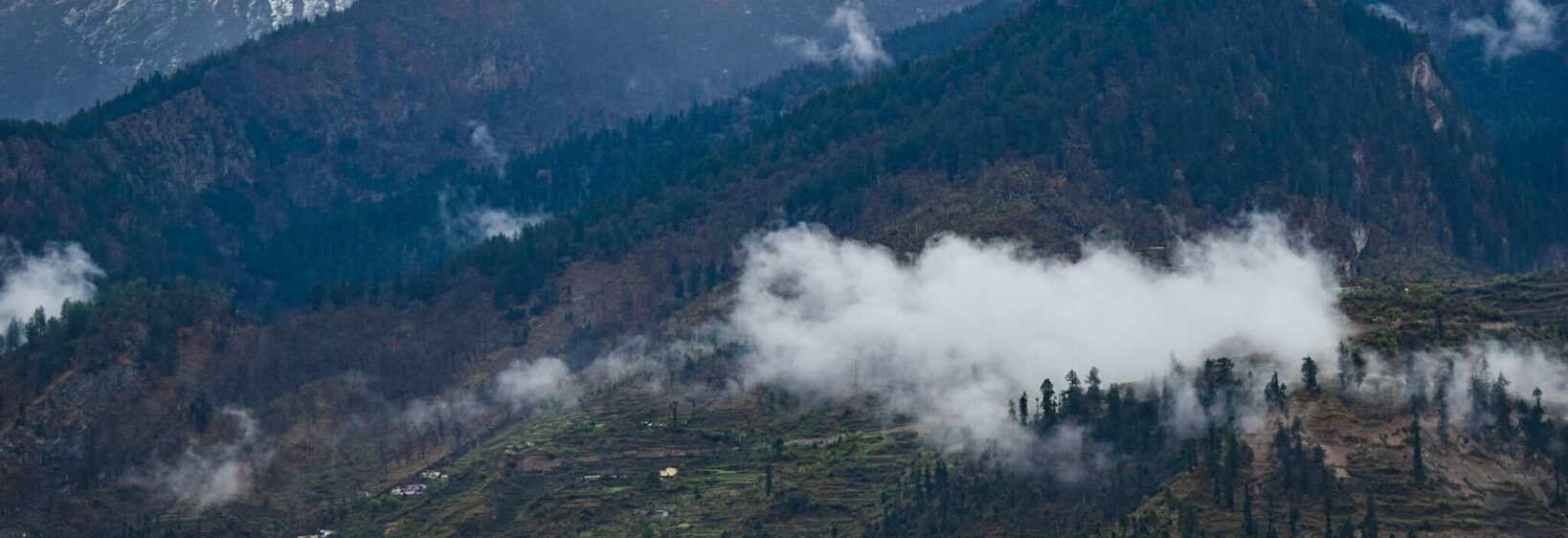
A forest rest house trek near Haldwani for bird photography
A walk towards the Haldwani Forest Rest House offers a quieter way to experience Kumaon’s foothills. Rather than treating the route as a simple hike, plan it as a slow birding and nature-photography outing, with time for listening, waiting and observing movement in the canopy. The forest edge can reveal bulbuls, drongos, barbets, woodpeckers and seasonal visitors moving between sal, chir pine and broad-leaved trees.
For travellers from Australia, the experience feels different from a marked bushwalk around Melbourne’s Dandenong Ranges or Sydney’s Royal National Park. The Himalayan foothills bring steeper gradients, warmer midday conditions and a stronger need to respect local forest rules. Early starts, modest expectations and a quiet camera setup will produce better aviary shots than rushing towards a fixed list of species.
Planning the walk from Haldwani
Haldwani is a practical base for reaching the Kumaon region, with rail and road connections, markets, guesthouses and transport services. Before setting out, check the current access arrangements with the local forest office or a trusted guide. A forest rest house may be a working government property rather than a public picnic site, and accommodation or entry can require advance permission.
The route may include uneven tracks, forest roads and short uphill sections rather than a formally maintained trekking trail. Wear shoes with firm grip, carry enough drinking water and allow extra time for photography. Australians accustomed to carrying a reusable bottle on a national-park walk should retain that habit, while adding sun protection, a light rain layer and a small first-aid kit.
Choosing the best season and time
Bird activity is usually strongest soon after sunrise, when the forest is cooler and calls travel clearly through the trees. The post-monsoon months can bring fresh vegetation and clean light, while spring often provides pleasant conditions for walking and increased movement around flowering trees. Winter mornings may be crisp, with mist or low light affecting shutter speed.
Avoid planning the entire outing around a single weather forecast. Mountain weather can shift quickly, and heavy rain may make tracks slippery or obscure distant birds. This is unlike checking a Bureau of Meteorology forecast before a Canberra or Brisbane day walk: local advice, recent rainfall and the condition of the road can be just as important as the predicted temperature.
Camera preparation for forest birds
A telephoto lens in the 300–600 mm range is useful for birds high in the canopy, but a lighter zoom can be more comfortable on a walking route. Pack spare batteries, memory cards, a lens cloth and a rain cover. A monopod may help in low light, although a compact setup is often preferable when the path becomes narrow.
The UK Photos Gallery provides useful regional context for travellers interested in Uttarakhand’s landscapes, temples and rural scenes. For this outing, use a silent shutter where possible, keep autofocus on the bird’s eye and avoid sudden movements. A plain-coloured jacket and patient pauses beside fruiting trees can make a noticeable difference.
Birding etiquette in a living forest
Good wildlife photography begins with distance. Do not play recorded calls, throw food, approach nests or block a bird’s escape route. Keep voices low and allow other walkers, forest staff and local residents to pass. The rest house surroundings may also contain domestic animals, working vehicles or staff quarters, so treat the area as an active place rather than a staged attraction.
Carry every wrapper back to town, including fruit peels and used tissues. Australian visitors will recognise the principle from Leave No Trace guidance and from strict waste expectations in many national parks, but local disposal facilities may be limited. India’s wildlife protection laws and forest regulations can restrict disturbance, collecting specimens and entering closed areas, so a guide’s instructions should take priority.
Cultural stops around the forest route
A short forest excursion can form part of a broader Kumaon itinerary. Haldwani is a gateway to hill towns and pilgrimage sites, while nearby villages offer glimpses of farming, local Hindi and Kumaoni speech, seasonal festivals and everyday mountain trade. Ask before photographing people, homes, shrines or ceremonies, particularly when using a long lens.
Travellers extending their journey towards Almora or the temple belt may enjoy this account of Jageshwar’s ancient temples, where woodland and sacred architecture meet. Dress respectfully near shrines, remove shoes where required and avoid treating religious spaces as merely scenic backdrops. These small courtesies make the trip more meaningful and help photography remain welcome.
Practical details for Australian visitors
Use Indian rupees for small purchases, local transport and tea stalls, although larger hotels may accept cards or digital payments. Australian travellers should keep some cash separate from their passport and phone, especially when moving beyond major town centres. A local SIM or reliable roaming plan is valuable for maps, translation and contacting a driver, but network coverage can fade in forested areas.
Australian biosecurity rules are strict when returning home, so clean mud from boots, tripods and bags before departure and declare any plant, seed, soil or animal material. Do not bring feathers, insects or natural specimens from the forest. Travel insurance should cover trekking and medical evacuation, while emergency contacts, accommodation details and a copy of identification should remain accessible offline.
A successful day near the Haldwani Forest Rest House is measured by attentive observation rather than the number of photographs captured. The quiet call of a bird, filtered morning light and the changing character of the foothills can become the strongest memories, even when a distant subject remains only partly visible.