Kumaoni cuisine through aloo puri and bhatt ki churkani
Food in Uttarakhand is closely tied to mountain agriculture, seasonal work and family kitchens. Kumaoni cooking uses modest ingredients with remarkable depth: potatoes, black soybeans, local spices, rice, lentils and fresh herbs become comforting meals suited to cool hill weather.
This photo journey of aloo puri and bhatt ki churkani follows two dishes from the plate to the landscape around them. For Australian travellers, the experience can feel a little like discovering regional produce at a farmers’ market in Melbourne or Brisbane, except the ingredients are shaped by steep terraces, high-altitude villages and generations of tradition.
A plate shaped by the hills
Aloo puri is a familiar combination across North India, yet the Kumaoni version carries the character of the region. Soft, spiced potatoes are served with crisp, puffed puris, creating a filling breakfast or celebratory meal. The golden puris photograph beautifully against a metal thali, especially when steam rises from the potato curry.
The best images show context rather than food alone. Place the plate beside a brass lota, a handwoven cloth or a small bowl of pickle. On the UK Photos Gallery, food and travel stories sit naturally alongside images of Uttarakhand’s villages, temples and mountain paths, giving viewers a sense of where a meal belongs.
Bhatt ki churkani and its earthy depth
Bhatt ki churkani is made from bhatt, a small black soybean traditionally grown in the Himalayan region. The beans are cooked into a thick, dark gravy with spices, flour or rice flour used to create a smooth texture. Its flavour is nutty, savoury and gently smoky when prepared over a traditional wood-fired stove.
This is slow mountain food rather than a hurried restaurant curry. A close photograph can reveal the glossy surface of the gravy, chopped coriander and the rough texture of a handmade bowl. Served with steamed rice, roti or mandua-based bread, bhatt ki churkani becomes a sustaining meal after a day of walking.
Ingredients from terrace and forest
Kumaoni cuisine reflects what can be cultivated on narrow terraces and stored through winter. Potatoes, bhatt, horse gram, leafy greens, millet and local chillies are practical ingredients, while mustard oil and cumin add fragrance. In many homes, recipes change slightly according to the village, altitude and family preference.
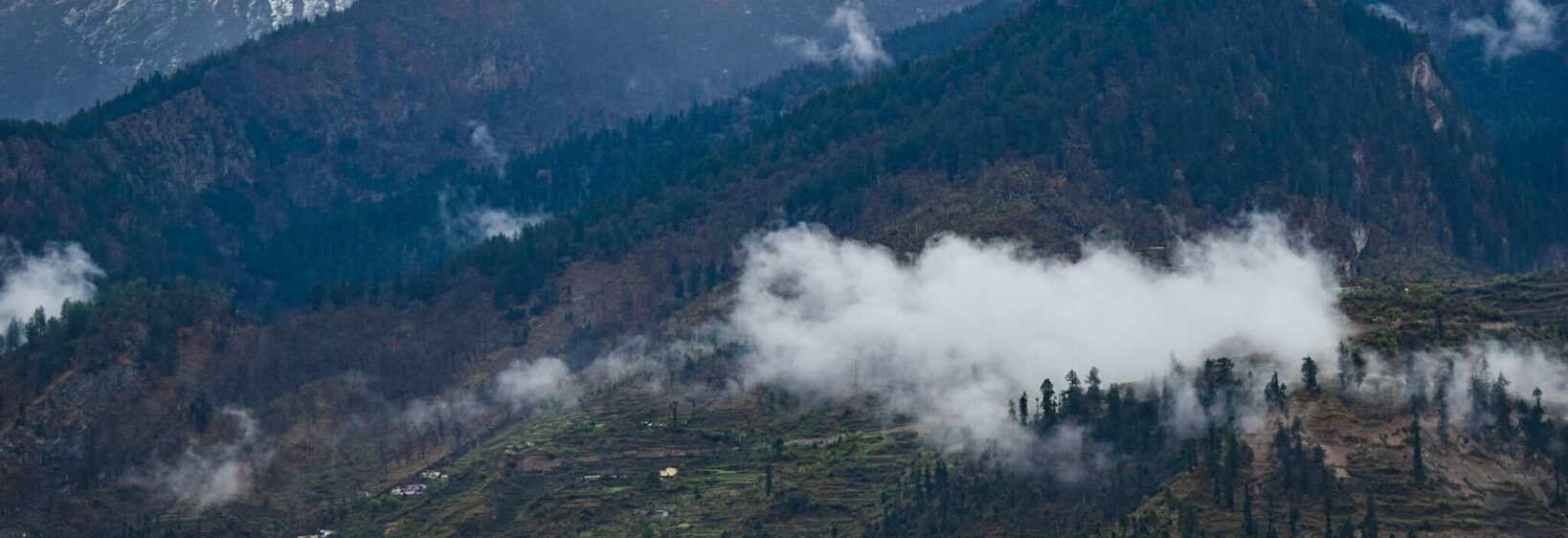
The landscape is part of the recipe’s story. Terraced fields, stone houses, copper cooking vessels and drying chillies create a visual sequence for a photo essay. A wide landscape frame followed by close details of seeds, hands and simmering pots helps connect agriculture with the finished dish.
Photographing colour, steam and texture
Natural window light is ideal for photographing aloo puri and black soybean curry. Position the food near a doorway or shaded window, then use a white cloth or pale wall to soften heavy shadows. A low angle emphasises the height of the puris, while an overhead image reveals the full arrangement of curry, rice, pickle and chutney.
Steam adds movement, but timing matters. Photograph the bhatt ki churkani immediately after serving, before its surface loses warmth and shine. For aloo puri, capture one puri freshly opened by hand to show the airy centre. These small moments make a food photograph feel lived-in rather than staged.
Tasting traditions respectfully
Visitors should accept that Kumaoni meals may be spicier, saltier or more rustic than food adapted for tourist restaurants. Asking about ingredients is part of respectful travel, particularly if you have allergies or follow a vegetarian or vegan diet. Bhatt is a legume, and recipes can include dairy or wheat depending on the household.
Australian visitors may recognise the friendly informality of sharing dishes, much as families gather around a barbecue in Perth or a communal table at a weekend market in Sydney. The setting is different, yet the social meaning is familiar: food welcomes guests, marks special occasions and keeps local knowledge alive.
A visual route through Kumaon
A strong food story can begin at a village market, move into a kitchen and finish beside a mountain view. Photograph potatoes and bhatt at a local stall, the preparation of masala, the cooking fire and the final meal. Always ask before photographing people, especially older residents and home kitchens.
The agricultural background deserves equal attention. The terraced fields of Munsiyari offer a useful visual reference for showing how mountain farming influences both food and scenery. In a gallery sequence, alternate wide views with close-up food frames so the story never loses its connection to place.
Bringing Kumaoni flavours home
Aloo puri can be recreated in an Australian kitchen using waxy potatoes, plain flour and spices from an Indian grocer. Bhatt may be harder to find, but black soybeans or another small dried soybean can provide a practical substitute. Shops in Dandenong, western Sydney and Adelaide’s multicultural food districts often carry Himalayan and North Indian pantry ingredients.
Serve the meal in small portions with rice, yoghurt, pickle and fresh coriander. Keep the presentation simple: a steel plate, warm colours and visible texture are more faithful to the spirit of the cuisine than elaborate decoration.
Details that make the food story stronger
- Photograph the ingredients before cooking to show their natural colour and texture.
- Include a wide landscape frame beside close-ups of the finished dishes.
- Record the local names, preparation methods and regional variations accurately.
- Mention spice levels and possible allergens for Australian travellers.
- Choose locally sourced produce when recreating the meal at home.