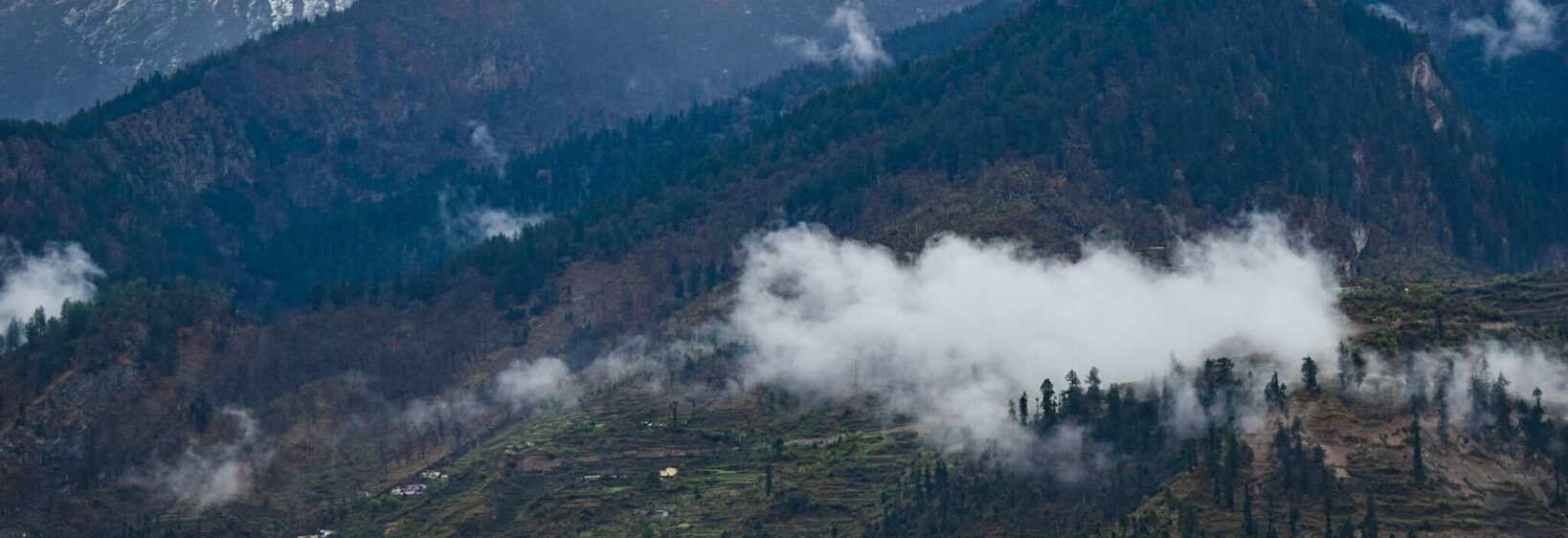
Trekking To Kuari Pass For Nanda Devi Views
Kuari Pass is one of Uttarakhand’s most rewarding Himalayan treks, combining forest trails, high meadows, village life, and unforgettable mountain panoramas. The pass sits in the Garhwal Himalaya, where clear weather can reveal Nanda Devi, India’s second-highest mountain, alongside a dramatic line of snow-covered summits.
The name Kuari Pass means “doorway” or “gateway,” an apt description for a route that opens towards some of the finest views in the region. The trail passes through oak and rhododendron forests before reaching wide alpine landscapes where the mountains appear close enough to touch.
This trek suits walkers who want a classic Himalayan experience without the technical demands of a major expedition. It still requires stamina, careful acclimatisation, and respect for changing mountain weather.
Why The Kuari Pass Route Stands Out
The trail is famous for its mountain scenery, but its character comes from the variety of landscapes along the way. Lower sections wind through forested slopes, quiet settlements, and grazing grounds. Higher camps offer open views of peaks such as Nanda Devi, Kamet, Dronagiri, Mana Peak, and Chaukhamba.
Spring brings rhododendron flowers and fresh green slopes, while autumn usually offers crisp air and clearer skies. Winter transforms the route into a snow trek, demanding warmer equipment and greater care on steep or icy sections.
The approach through the Garhwal region also makes the journey culturally rich. Travellers may see traditional homes, terraced fields, shrines, and shepherd shelters. Those spending time around Joshimath can pair the trek with local sightseeing, including this visual guide to waterfalls near Joshimath.
Route, Camps, And Mountain Views
Most itineraries take four to six days, depending on the starting point, weather, and chosen camping sites. Common approaches include Dhak village near Joshimath, Auli, and routes connected with Tugasi or Gurson Bugyal. A local guide or trekking operator can select the safest option for current conditions.
A typical journey includes a gradual ascent through forest trails, a camp near alpine meadows, and an early morning climb towards Kuari Pass. The pass itself is often reached after a steady uphill walk over uneven ground. From the ridge, the view expands across the Greater Himalayan range.
| Trek feature | What to expect |
|---|---|
| Approximate duration | 4–6 days |
| Difficulty | Moderate |
| Highest point | Around 3,650 metres |
| Best seasons | April–June and September–November |
| Main highlights | Nanda Devi views, forests, meadows, villages, snow peaks |
| Usual accommodation | Tents, guesthouses, or basic homestays |
The Best Season For A Clear Himalayan Panorama
April to June is popular because the weather is relatively stable and the forests are bright with flowers. Rhododendrons add colour to the trail, and the meadows begin to open after winter. Days are generally comfortable for walking, although nights at higher camps remain cold.
September to November is often preferred by photographers and mountain enthusiasts. The monsoon clouds recede, visibility improves, and the distant ridges can appear sharply defined. October is especially attractive for golden grasslands and deep blue skies.
The winter months bring a different experience. Snow may cover the pass and camping areas, so the trek becomes more demanding. Heavy rain during the monsoon can cause slippery paths, swollen streams, and reduced visibility, making that season less suitable for an independent journey.
Preparing For The High-Altitude Trail
Physical preparation should begin several weeks before departure. Regular walking, stair climbing, cycling, and strength exercises can help build the endurance needed for long uphill sections. Trekking poles are useful on descents and loose ground, while broken-in footwear reduces the risk of blisters.
Pack warm layers, waterproof outerwear, woollen socks, gloves, a cap, sunscreen, sunglasses, a headlamp, personal medicines, and a reusable water bottle. A lightweight daypack makes the walking more comfortable. Even in summer, temperatures can fall quickly after sunset.
Altitude symptoms may include headache, nausea, unusual tiredness, or poor sleep. Walk slowly, drink water, avoid alcohol, and tell the guide immediately if you feel unwell. A responsible itinerary includes rest, gradual elevation gain, and a plan for descending if symptoms worsen.
Food, Villages, And Local Hospitality
Meals on the trek are usually simple and nourishing, with rice, dal, vegetables, roti, soup, and tea providing essential energy. Local food traditions add a memorable dimension to the journey. Before or after the trek, travellers can explore this helpful guide to Pahari dishes and discover flavours from the hills.
In villages near the trail, hospitality is often informal and warm. Speaking a few words of Hindi, asking permission before photographing people, and buying local produce are small ways to show respect. Avoid treating homes, temples, and pastoral areas as photo props.
Responsible trekking also means carrying waste back, avoiding single-use plastic, keeping noise low, and staying on established paths. The high-altitude meadows are fragile, and careless camping or littering can damage them for years.
Practical Choices For A Safer Journey
A local guide brings knowledge of weather, route conditions, water sources, and village customs. Guided trekking also supports the local economy by creating work for porters, cooks, drivers, and homestay owners. Check whether the operator follows safe load limits and fair payment practices.
Before leaving Joshimath or another base, confirm transport, permits, emergency contacts, accommodation, and communication options. Mobile coverage may be unreliable on the higher trail, so do not depend entirely on a phone for navigation or safety.
- Choose a season that matches your experience and comfort with cold weather.
- Train with a loaded daypack before beginning the trek.
- Hire a registered local guide for route knowledge and emergency support.
- Carry reusable essentials and pack out every item of waste.
- Keep extra time in the itinerary for weather or transport delays.
Let Nanda Devi Shape The Journey
The greatest reward of the Kuari Pass trail is the gradual arrival of the mountains. Nanda Devi may first appear as a distant, pale summit between ridges, then become the centrepiece of the panorama from a high meadow or pass. Sunrise and sunset can change the peak from silver to rose and gold within minutes.
Plan the journey with patience, suitable equipment, and respect for the landscape. With a reliable local team and enough time to absorb the villages, forests, and ridgelines, the walk becomes far more than a high-altitude route. Begin arranging your Kuari Pass adventure and make space for the views of Nanda Devi to become part of your own Uttarakhand story.