Kaleshwar Mahadev Temple Beside The Rivers Of Rudraprayag
Kaleshwar Mahadev Temple offers a quieter religious experience in Uttarakhand’s Garhwal region. Set close to the river near Rudraprayag, the Shiva shrine is shaped by rushing water, forested slopes, mountain weather and the daily worship of local residents.
The setting feels different from a busy pilgrimage centre. Bells, incense and stone architecture sit alongside broad river views, while the surrounding hills create a strong sense of scale. The temple is a meaningful stop for travellers interested in Himalayan spirituality, photography and regional culture.
For wider ideas about temples, trekking routes and hill-town journeys, browse these Uttarakhand travel stories before planning a route through the Garhwal Himalaya.
Where the temple meets the river
Kaleshwar Mahadev Temple is associated with Lord Shiva and stands in the wider Rudraprayag landscape, where mountain streams and major rivers define the character of the district. The sound of flowing water remains an important part of the visit, especially when the river is full after rain or snowmelt.
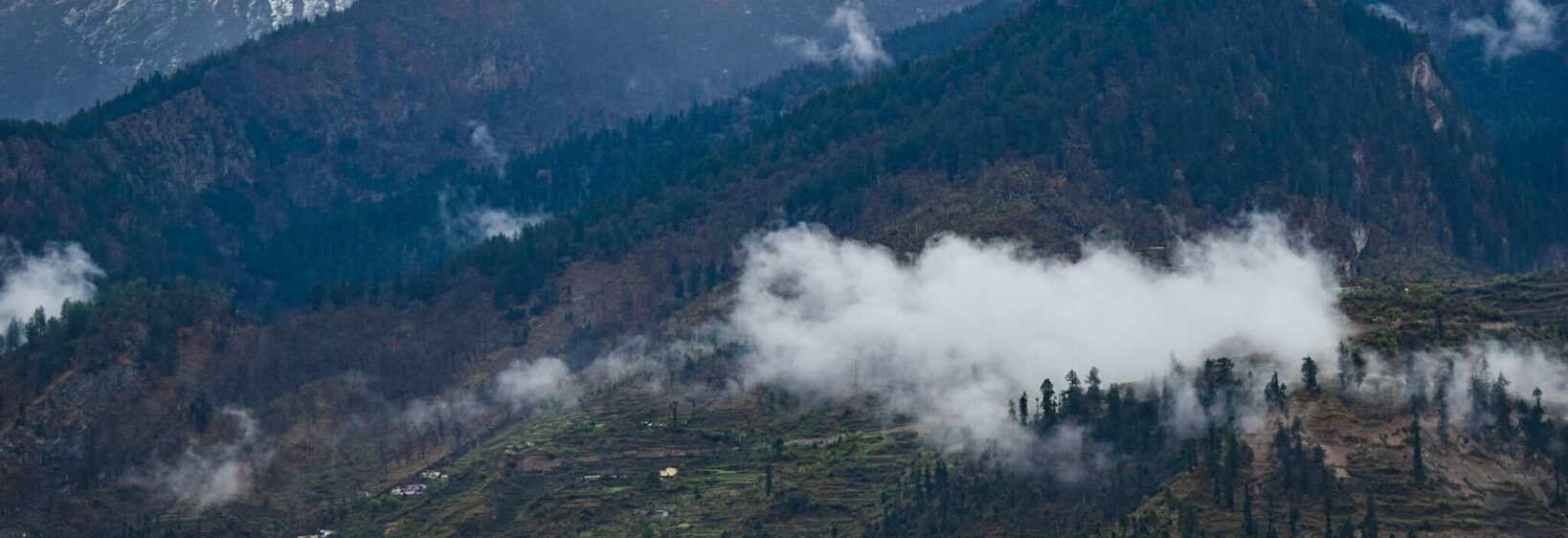
The riverbank is a place for observation rather than hurried sightseeing. From the temple area, visitors can study layered hills, exposed rock, cultivated patches and homes scattered along the slopes. Morning light is generally gentle for photography, while late afternoon brings warmer colour to the valley.
A Shiva shrine with local memory
Local stories and oral traditions give Kaleshwar Mahadev a place within the devotional geography of Garhwal. As with many Himalayan temples, its importance comes from a mixture of worship, regional memory and the continuing relationship between villages, rivers and mountain deities.
Visitors may see devotees offering flowers, oil lamps or water, depending on the season and local practice. The atmosphere is usually simple and respectful. There is value in pausing to notice small details: carved stone, brass bells, prayer marks and the rhythm of people arriving for darshan.
Reading the riverbank landscape
Rudraprayag’s scenery is dramatic because the land rises sharply from the water. The river corridor can look calm in dry weather, yet currents become powerful during the monsoon. Loose stones, wet steps and uneven paths deserve attention, particularly for older travellers and anyone carrying camera equipment.
The landscape also explains why local life is closely tied to road access and weather forecasts. Landslides can delay journeys, and a route that appears short on a map may take much longer on a winding mountain road. Keep away from unmarked edges and never enter fast-moving water for photographs.
Planning a visit from Australia
Travellers departing from Sydney, Melbourne or Brisbane will usually need an international flight to India followed by a domestic connection and a road journey into Uttarakhand. Delhi is a common gateway, although the final itinerary depends on seasonal flights, road conditions and accommodation availability.
Australians often plan around school holidays and prefer card payments, but smaller towns and temple areas may require Indian rupees. Carry modest cash, download offline maps and allow extra time between stops. Check India’s current visa requirements through official government channels, and review Smartraveller advice before departure.
A practical packing list includes:
- Breathable layers and a warm outer garment for early mornings
- Comfortable shoes with reliable grip
- Reusable water bottle, sun protection and personal medication
- Small notes for local purchases and temple offerings
Before booking transport or a tour, check what is included in writing. The Australian Consumer Law generally will not regulate an Indian hotel, driver or guide, so clear cancellation terms and travel insurance are particularly useful. Australian biosecurity rules also require care when bringing souvenirs, food, plant material or wooden objects back home.
Temple manners and practical safety
Dress modestly, keep voices low and follow signs or local instructions about photography. Ask before photographing worshippers, priests or ceremonies. Some inner areas may restrict cameras or mobile phones, and footwear may need to be removed before entering the shrine.
The best visit is unhurried. Avoid touching sacred objects unless invited, do not leave plastic or food near the river, and keep offerings appropriate to the temple’s customs. During monsoon months, confirm road conditions locally rather than relying only on a timetable.
Useful habits for the day include:
- Carrying a light scarf or shawl for respectful coverage
- Washing or sanitising hands before entering crowded areas
- Keeping valuables secure in busy roadside markets
- Following local advice near bridges, steps and river edges
Combining the temple with a Garhwal journey
Kaleshwar Mahadev can fit into a wider circuit through Rudraprayag, especially for travellers heading towards Kedarnath, Badrinath, Joshimath or nearby villages. The town’s river scenery and religious sites make it a natural pause between longer mountain drives.
Those comparing nearby experiences should consider the atmosphere, time required and physical effort rather than trying to rush through every attraction.
| Place | Main appeal | Ideal time | Practical character |
|---|---|---|---|
| Kaleshwar Mahadev Temple | Shiva worship and riverbank calm | 30–60 minutes | Quiet, simple, reflective |
| Rudraprayag confluence | Meeting of major rivers and town history | 45–90 minutes | More open views and local activity |
| Koteshwar Mahadev area | Temple setting, water and rock scenery | 1–2 hours | Requires extra road time |
| Joshimath | Pilgrimage base and mountain access | Half day or longer | Busier, with more services |
Allow space for weather changes, road repairs and spontaneous stops at viewpoints or village markets. The temple is best appreciated as part of the living landscape of Uttarakhand, where faith, water and mountain communities remain closely connected.