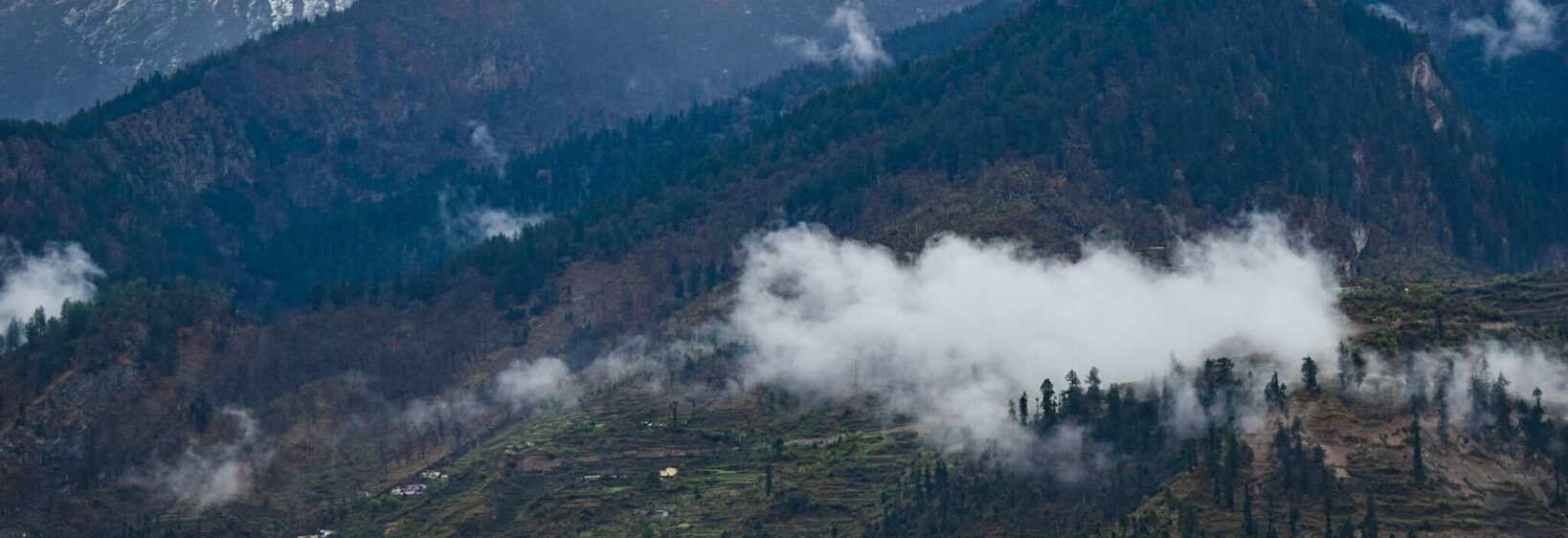
The Munsiyari Viewpoint: Capturing the Panchachuli Peaks at Dawn
Far in Uttarakhand’s Kumaon region, Munsiyari sits beneath a dramatic wall of snow-covered summits. The village is best known for its views of the Panchachuli peaks, five distinct mountains rising above the Gori Valley and changing colour as the sun moves across them.
For Australian travellers, reaching this Himalayan viewpoint is a rewarding change from familiar alpine landscapes such as the Victorian High Country or Tasmania’s Cradle Mountain. The scale feels different, the mountain villages are more densely lived-in, and the early morning air can be surprisingly sharp, even for visitors accustomed to cool-weather hiking.
Dawn is the finest time for photography. Before the valley fills with haze, the peaks often appear crisp and pale, then shift through blue, silver, pink and orange. A quiet viewpoint, a thermos of chai and a reliable tripod can turn a simple sunrise into the strongest image of a Kumaon journey.
Munsiyari also offers more than a scenic overlook. Its trails, pine forests, woollen crafts, local food and traditional homes provide a deeper view of life in the high Himalaya. The experience suits photographers who enjoy allowing time for a place to reveal itself rather than rushing between attractions.
Finding the right viewpoint
Many guesthouses and homestays around Munsiyari have balconies facing the Panchachuli range. These are convenient for photographers who want to work from a fixed position, particularly during winter when pre-dawn walks can be cold and paths may be uneven.
For a wider composition, ask a local guide about nearby ridges and forest clearings. The best location depends on the season, weather and exact sunrise angle. A guide can also help you avoid private farmland, respect village customs and return safely before the day’s cloud builds over the valley.
Planning the journey from Australia
The journey usually involves flying from Australia to Delhi, travelling towards Kathgodam or Haldwani, and then continuing by road into the Kumaon hills. From Delhi, the final road section is long and winding, so allow several days rather than treating Munsiyari as a quick weekend add-on.
Australian visitors often plan around annual leave, school holidays and domestic flight connections. Booking a driver or mountain transfer in advance is sensible during December-January and the June holiday period, when popular routes and accommodation can fill quickly. Prices are generally quoted in Indian rupees, and carrying cash is useful in remote areas where card terminals and mobile coverage may be unreliable.
Preparing for a pre-dawn shoot
Temperatures before sunrise can fall well below what travellers expect from a daytime Himalayan walk. Pack a warm insulating layer, gloves, a beanie, a headlamp and shoes with firm grip. An Australian merino base layer works well beneath a windproof jacket, especially if you are used to the colder conditions of the Snowy Mountains.
Carry spare batteries because cold drains power quickly. A lightweight tripod, a wide-angle lens and a medium telephoto lens cover most compositions. Keep equipment inside a sealed bag when moving between cold outdoor air and warmer rooms, as condensation can form on cameras and lenses.
Framing the Panchachuli range
The five summits create a natural horizontal composition, but the strongest photograph may include more than mountains. Prayer flags, pine branches, village roofs or a stone wall can provide foreground depth and a sense of scale.
Use a low ISO and bracket exposures as the light changes rapidly. Snow can fool a camera into underexposing the scene, leaving the peaks grey instead of luminous. Check the histogram rather than relying entirely on the rear screen, which can look bright in the darkness before sunrise.
Reading the changing light
The first blue light often reveals the outline of the range before the sun touches the summits. This is a valuable period for calm, atmospheric images, especially when thin cloud hangs above the valley. As sunlight reaches the peaks, adjust composition instead of packing away; the colour may change within minutes.
A polarising filter can deepen the sky, but it may produce uneven results with a wide-angle lens. Graduated exposure blending or careful RAW processing can preserve detail in both the bright snow and darker foreground. Keep edits restrained so the image still reflects the cool, clear character of the morning.
Respecting local life and landscape
Munsiyari is a living mountain settlement rather than a staged photo location. Ask permission before photographing residents, homes, religious ceremonies or children. Dress modestly near temples and villages, and avoid blocking narrow paths while setting up a tripod.
Waste disposal is a real concern in remote Himalayan destinations. Carry reusable water bottles, take batteries and packaging back to suitable collection points, and avoid disturbing wild plants. Travel information and visual references from Uttarakhand photo guides can help visitors understand the region before arriving.
Exploring beyond the viewpoint
After sunrise, walk through the surrounding forests or visit local weaving centres where woollen shawls and blankets reflect Kumaoni craft traditions. Short excursions may lead to viewpoints over the Gori River, while longer routes connect with trekking areas such as Khaliya Top, depending on weather and fitness.
The town’s simple cafés and homestays are ideal for a slow breakfast after a dawn shoot. Australian travellers may find the pace closer to a quiet regional town than a resort: limited opening hours, changing road conditions and personal service matter more than polished facilities. That slower rhythm is part of the photographic reward.
Choosing the best season
Autumn commonly brings clear skies and strong mountain visibility after the monsoon. Winter offers snow-dusted landscapes and crisp air, though roads and trails require greater care. Spring adds flowering rhododendrons, while the monsoon can bring cloud, rain, landslides and limited views.
For a first visit, late October to November or March to April often provides a useful balance of access and scenery. Check local conditions shortly before departure, allow flexibility in the itinerary, and plan at least two dawns in Munsiyari. If cloud hides the Panchachuli peaks on one morning, another sunrise may reveal an entirely different Himalayan panorama.