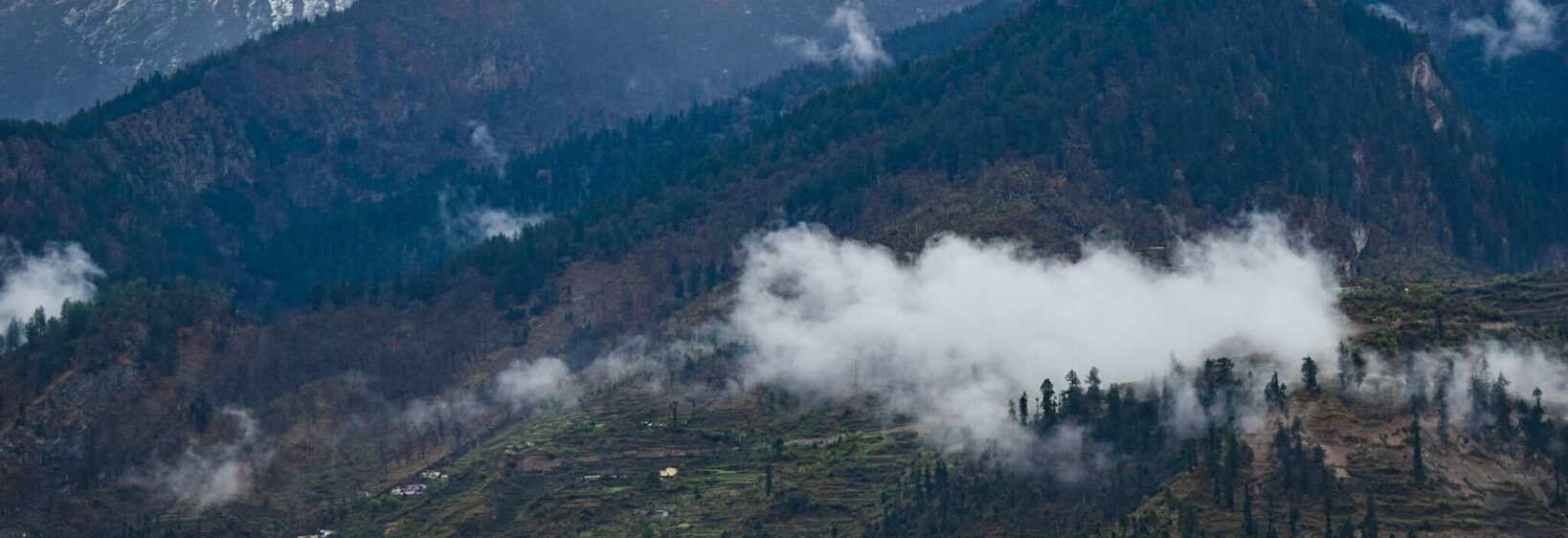
Golden Hour Among the Oaks Near Dehradun
A walk through the Chilapin oak forest near Dehradun becomes especially memorable in the late afternoon, when the slanting sun reaches between the branches and turns the woodland floor copper. The quiet setting offers a gentle contrast to the traffic, bazaars, and busy roads of the Doon Valley.
Chilapin oak, locally associated with the Himalayan hill forest, provides shade for birds, insects, and smaller plants. The changing light reveals layers of moss, dry leaves, trunks, and distant ridgelines, giving photographers plenty to observe without needing a demanding trek.
For travellers from Australia, the experience feels different from a eucalyptus walk outside Melbourne, Canberra, or Brisbane. The forest is cooler, denser, and shaped by Himalayan elevation, while the approach may include narrow roads, village homes, and roadside tea stalls.
This is a place for a slow outing rather than a rushed sightseeing stop. Leave enough time to reach the woodland before sunset, walk carefully, and return while there is still useful daylight.
Finding The Forest Near Dehradun
The Chilapin oak woodland lies in the forested landscape around Dehradun, where the plains begin to rise towards the lower Himalayas. Exact access points can vary, so travellers should check locally with a driver, accommodation host, or forest official before setting out.
A hired car is usually more practical than relying on frequent public transport for the final stretch. Roads may become uneven or narrow, and mobile coverage can be inconsistent. A local driver familiar with the area can also help identify a safe parking place and the correct walking trail.
Choosing The Best Golden Hour
Arrive roughly an hour before sunset. This gives you time to settle into the surroundings, photograph the trees in softer light, and notice how the forest changes as the sun moves lower.
In the warmer months, late afternoon can still feel hot on exposed roads, even when the forest is pleasant. Winter evenings become cool soon after sunset, so a light jacket is useful. Australian visitors accustomed to checking Bureau of Meteorology forecasts should also check local weather updates, especially during monsoon periods.
What The Walk Feels Like
The trail may be an informal forest path rather than a marked tourist circuit. Expect exposed roots, loose stones, leaf litter, and occasional muddy patches. Comfortable walking shoes with a firm sole are safer than sandals, particularly after rain.
The atmosphere is often more important than the distance. Listen for birds, watch shafts of light move across the ground, and pause at clearings. The pace suits travellers who enjoy nature photography, forest bathing, and quiet observation rather than a fast fitness hike.
Photographing Trees And Light
Golden-hour photography works well when the sun is behind or beside the oak trunks. Backlighting can highlight leaves and create glowing edges, while a lower viewpoint makes the trees appear taller and more dramatic.
Keep exposure under control when photographing bright gaps in the canopy. A phone camera can produce strong results by tapping on the darker trunk before taking the image. For wider travel imagery and ideas from Uttarakhand destinations, the UK Photos Gallery offers a useful visual reference.
Local Etiquette And Forest Care
The forest is part of a living landscape, not simply a backdrop for photographs. Avoid loud music, do not carve names into trunks, and carry every wrapper back with you. Food scraps can attract animals and alter their behaviour.
Rules and access conditions may be managed locally, so follow instructions about fires, vehicles, and restricted areas. Australians will recognise the principle from national park visits governed by state conservation rules and fire restrictions: a beautiful place remains safer when visitors respect its regulations.
Small Details Worth Noticing
Look for the texture of oak bark, lichen on shaded branches, and small plants growing through the leaf litter. In the distance, village sounds may mingle with bird calls, reminding visitors that the forest sits close to working communities rather than in complete wilderness.
A simple tea stop can become part of the outing. In India, sharing chai and snacks after a walk is an everyday pleasure, much like stopping at a suburban café after a coastal walk in Sydney. Carry drinking water, but buy local refreshments where appropriate and avoid disposable plastic when possible.
Planning A Responsible Visit
Start with a charged phone, offline maps, a small torch, water, and basic first-aid supplies. Tell someone at your accommodation where you are going, particularly if travelling alone or taking a less-used path. Do not rely on sunset navigation to find your way back.
The Australian market also shapes practical travel choices: many visitors compare prices through online booking platforms, look for small-group tours, and prefer experiences with clear inclusions. For this forest outing, a modest local arrangement with transport and a knowledgeable guide may be more valuable than a heavily packaged excursion. Leave before darkness, keep the walk unhurried, and let the last amber light be the final photograph of the day.