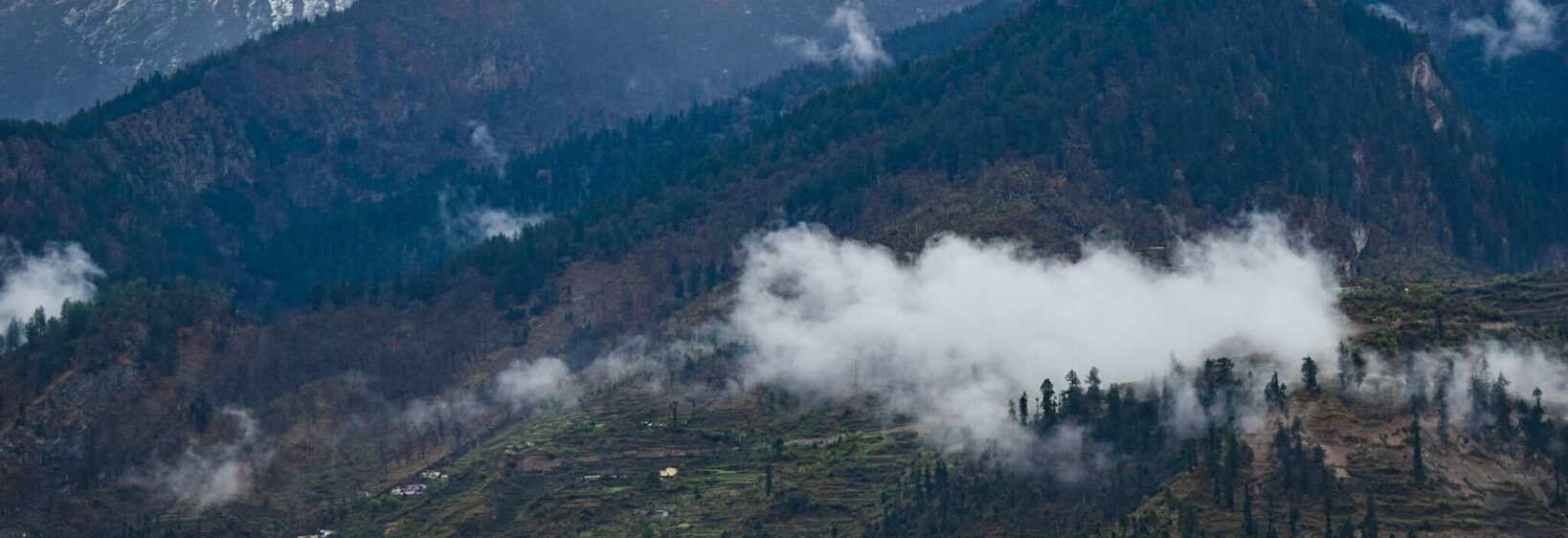
The Khirsu village orchard walk in spring
Khirsu, a quiet hill settlement near Pauri in Uttarakhand, offers a gentler way to experience the Himalayas. In spring, apple trees wake from winter with pale pink and white flowers, while terraced fields, cedar forests and distant snow peaks create a changing backdrop for an easy village walk.
This is a place for slow travel rather than a packed sightseeing schedule. Visitors from Australia may find the landscape very different from a Melbourne laneway, a Sydney coastal track or a busy farmers market in Adelaide, yet the pleasure is familiar: fresh air, local produce, seasonal colour and time spent outdoors. The wider region is captured in the Uttarakhand photo guides, which can help with planning a scenic mountain itinerary.
Why Khirsu feels different
Khirsu sits at roughly 1,700 metres above sea level, surrounded by oak, deodar and pine forests. Its relative quiet is part of the attraction. There are no large resort crowds or rows of commercial attractions, so the orchard walk feels connected to everyday village life.
On clear days, Himalayan views appear beyond the ridges, while mist can soften the entire valley within minutes. The atmosphere changes quickly in the mountains, giving a short walk several distinct moods. Early morning is often crisp and still; afternoon light is warmer and better for photography.
When apple blossoms appear
Apple flowering generally arrives between late March and April, although the exact period depends on winter temperatures, altitude and local weather. Some trees may be in full bloom while others are only showing buds, making timing less predictable than booking a seasonal garden visit in Canberra.
The blossoms are delicate rather than dramatic from a distance. Their beauty comes through when walking beneath the branches, noticing bees moving between flowers and seeing petals against dark forest edges. Carrying a camera with a close-focus setting is useful, but avoid touching branches for a photograph.
Walking through the village landscape
A typical route follows quiet paths beside orchards, stone houses, grazing areas and cultivated terraces. The walk may include uneven ground, short climbs and narrow sections, so sturdy shoes are more practical than casual sandals. Local residents can point out accessible tracks and explain which orchards are open to visitors.
The village is also a good place to observe seasonal work. Farmers may be pruning trees, tending vegetables or preparing fields, and the pace can be far removed from a guided attraction. Ask before entering private land, and treat the blossoms as part of someone’s livelihood rather than a public display.
Getting there from Australia
Most Australian travellers will first reach Delhi, then continue towards Uttarakhand by domestic flight, train or road. From Delhi, the journey to Rishikesh can be combined with a mountain transfer towards Pauri and Khirsu. Allow extra time for hill roads, since a short distance on the map may take several hours.
Travellers used to driving between Brisbane and the Gold Coast may underestimate the slower pace of Himalayan transport. Curving roads, traffic, weather and occasional roadworks all affect arrival times. A local driver or reputable travel operator is usually more comfortable than attempting unfamiliar mountain roads after a long international flight.
Practical notes for the orchard walk
Spring sunshine can feel strong at altitude even when the air is cool. Pack lightly, but include useful layers and practical protection for a half-day outdoors.
- Wear walking shoes with firm grip
- Carry water, sunscreen and a brimmed hat
- Bring a light fleece or waterproof shell
- Keep small cash for local purchases
Australian dollars are not useful in village shops, so exchange or withdraw Indian rupees before leaving larger towns. A reusable bottle, similar to the one many Australians carry on weekend bushwalks, helps reduce plastic waste.
- Buy apples, preserves or snacks from local sellers
- Download maps before leaving reliable coverage
- Keep noise low near homes and forest edges
- Take rubbish back to your accommodation
Respecting local life and nature
Khirsu is a living community, not a themed village built for visitors. Dress modestly around homes and temples, ask permission before photographing people, and avoid blocking paths used by residents or livestock. A friendly greeting and patient conversation are often more welcome than rushing to capture every view.
The flowering season can attract visitors from nearby towns, especially during Indian public holidays and school breaks. Keeping groups small protects narrow tracks and reduces pressure on orchards. Do not pick flowers, climb trees or leave food near animals, as even small disruptions can affect farming routines.
Making the walk part of a longer trip
The orchard visit can fit neatly into a wider Uttarakhand journey. Travellers may combine Khirsu with Pauri, Rudraprayag, Rishikesh or the temple routes around the Alaknanda region. Those wanting more mountain scenery can add short treks, village homestays or forest viewpoints rather than trying to cover too many destinations in one day.
For Australian visitors, the experience suits a slower itinerary built around seasonal travel. Think of it as a spring country escape, with the visual richness of a regional produce trail and the cultural depth of a Himalayan settlement. The apple blossoms are the highlight, but the lasting memory is often the walk itself: quiet paths, cool air, distant peaks and ordinary village life unfolding beside the orchards.