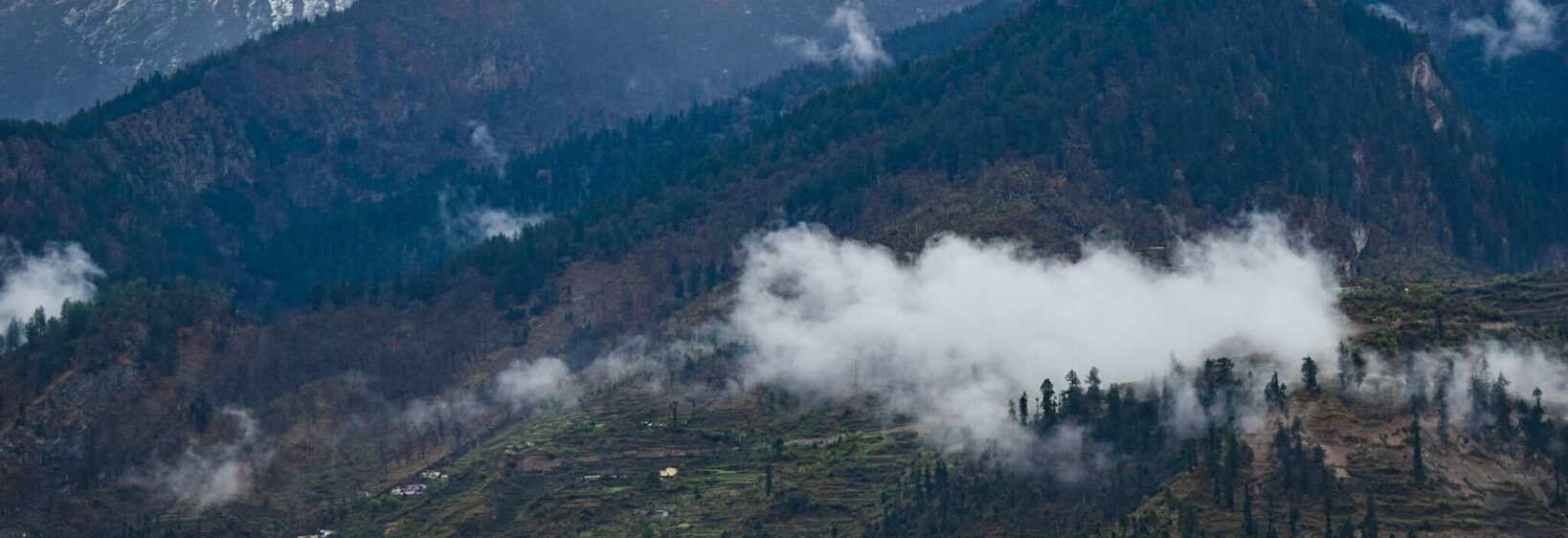
Walking Towards Neelkanth Temple from Rishikesh
The journey to Neelkanth Mahadev Temple feels different when experienced on foot. Away from the traffic of Rishikesh, the paidal path passes through forested hills, village edges and quiet bends where the sound of the Ganges gradually gives way to birds, wind and distant temple bells. It is a slower way to approach one of Uttarakhand’s revered Shiva shrines.
For travellers from Australia, this can be a rewarding contrast to a planned weekend around Sydney, Melbourne or Brisbane. The walk asks for an early start, comfortable shoes and patience, rather than the quick pace of a sightseeing stop. The reward is a closer view of the landscape, pilgrimage customs and everyday life in the Garhwal hills.
The road beyond Rishikesh
Neelkanth Temple lies roughly 30 kilometres from Rishikesh, at an elevation of about 1,675 metres. Most visitors reach the shrine by taxi, shared vehicle or organised pilgrimage tour, but sections of the approach can be explored on foot. The exact walking distance depends on where a traveller leaves the vehicle and how much of the road they choose to cover.
The route climbs through the Rajaji landscape, where sal trees, rocky slopes and seasonal streams create a distinctly Himalayan setting. In the cooler months, the air is crisp and visibility is often clearer. During the monsoon, the hills become intensely green, though mud, falling rocks and slippery surfaces can make walking more demanding.
What the paidal path reveals
Walking gives the route a changing rhythm. A bend may open towards a wooded valley, followed by a small shrine, a tea stall or a group of pilgrims resting beside the road. Local residents often make the journey in practical clothing, carrying water and offerings, while devotees may walk barefoot for part of the approach as an expression of faith.
The path is not necessarily a single, formally marked trekking trail from central Rishikesh. It is better understood as a pilgrimage approach that combines road walking, short footpaths and steps near religious sites. Carrying a small daypack, sun protection and enough drinking water is sensible. Australian travellers accustomed to carrying a reusable bottle on bushwalks should also plan for limited refill points.
The temple and its legend
Neelkanth Mahadev is dedicated to Lord Shiva and is linked to the Hindu story of Samudra Manthan, the churning of the cosmic ocean. According to the legend, Shiva drank the deadly poison that emerged during the churning, holding it in his throat and turning it blue. The name Neelkanth means “blue throat”, connecting the temple with this powerful image of sacrifice and protection.
The shrine is modest in scale but rich in devotional detail. Bells, painted figures and offerings of flowers, bilva leaves and water create a vivid atmosphere. Visitors should remove shoes where required, dress respectfully and ask before photographing worshippers or close-up ritual activity. The temple is a living place of prayer, rather than simply a heritage monument.
Practical planning for Australian visitors
The best time to walk is generally from October to June, avoiding the wettest monsoon conditions. Start early to reduce heat and allow time for breaks. A light fleece can be useful in winter, while breathable clothing, a hat and sturdy footwear help during warmer months. A local driver can arrange a drop-off and collection point, but the plan should be agreed clearly before departure.
Australian travellers often compare prices through online bookings and may rely on weekend market habits for informal purchases. At small tea stalls and village shops, carry Indian rupees in smaller notes because card facilities may be unavailable. For broader travel planning, a useful comparison is this Corbett camping guide, which also highlights why access, seasons and local arrangements matter in Uttarakhand.
Walking with care in the hills
The forest around Rishikesh is home to monkeys, birds and other wildlife. Keep food packed away, avoid feeding animals and take all rubbish back to town. Sudden rain can change the condition of the path quickly, so checking a local weather report and asking a hotel or driver about current road conditions is worthwhile.
Visitors should also remember that Indian environmental and wildlife regulations apply in protected and forested areas. Drones, fires, loud music and off-route shortcuts may be restricted or unsafe. Australian laws such as the Australian Consumer Law can help with domestic purchases and bookings at home, but overseas transport, guiding and accommodation depend on the terms offered by the Indian provider. Written confirmation of fares and inclusions prevents confusion.
A walk towards Neelkanth Temple offers more than exercise. It connects the traveller with a route used by pilgrims, with forested Garhwal scenery and with the unhurried pace of mountain travel. Seen from the paidal path, the temple becomes part of a wider journey through faith, landscape and local life.