A guide to the traditional ragi harvest in the Garhwal hills
In the Garhwal Himalaya, ragi is better known as mandua, a hardy finger millet grown on steep mountain terraces. Its small, dark grains have supported households through generations, especially in villages where irrigation is limited and fields must follow the shape of the hills.
The harvest is a seasonal rhythm rather than a single day. Families watch the crop turn from green to bronze, cut the mature stalks with sickles, dry the sheaves and separate the grain by hand. The work reflects local knowledge of altitude, rainfall, soil and food storage.
For Australian visitors, mandua offers a useful way to understand rural Uttarakhand beyond temple routes and hill stations. It connects farming with village meals, folk customs, women’s daily labour and the changing market for traditional grains.
Why mandua matters in Garhwal
Finger millet tolerates dry spells and poorer soils better than many cereal crops, making it valuable on rain-fed terraces. It is commonly ground into flour for rotis, porridge and local snacks. The grain contains useful fibre, minerals and complex carbohydrates, which helps explain its renewed popularity among health-conscious shoppers.
In Garhwali homes, mandua flour may be mixed with wheat or used on its own. A warm mandua roti served with leafy greens, lentils or a spicy chutney is a filling mountain meal. In Australia, similar interest can be seen in Melbourne Indian grocers and health-food shops, where millet flour is increasingly placed beside oats, quinoa and other alternative grains.
Terraces and the monsoon calendar
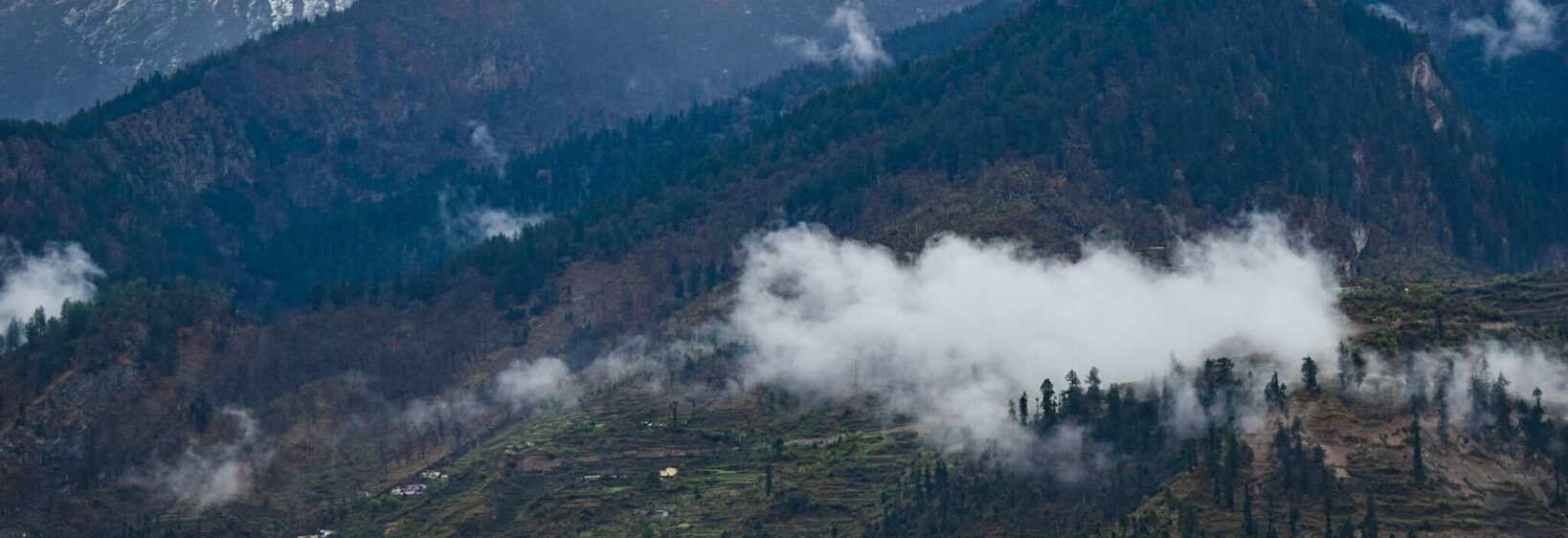
Farmers generally sow mandua after early monsoon showers, often from June into July, although timing changes with altitude and rainfall. Seed is broadcast or planted in prepared terrace soil. The crop then grows through the wet season, when mountain paths can become slippery and clouds frequently cover the ridgelines.
Harvest usually falls between September and November. Lower villages may cut earlier, while higher settlements wait for the grain heads to mature fully. Walking through the hills during this period reveals stacked sheaves near homes, drying grain on courtyards and terraces framed by oak, pine and broad Himalayan views. The Bulbuley meadow wildflowers guide offers another perspective on the seasonal landscapes around Uttarakhand.
Reading the crop before cutting
A mature mandua plant has dry-looking leaves and firm seed heads that deepen from green to brown. Farmers check several parts of a field rather than relying on a fixed date. Cutting too soon can leave immature grain; waiting too long risks losses from wind, birds or sudden rain.
The stalks are cut close to the ground and gathered into manageable bundles. In steep terrain, this is careful work: terraces may be narrow, retaining walls can be uneven, and every bundle must be carried along footpaths. Traditional sickles remain practical because they are light, precise and suited to small plots.
Threshing, drying and storage
After cutting, sheaves are dried in the sun, often on clean courtyards, rooftops or woven mats. Threshing may involve beating the bundles against a hard surface or trampling them so the grains fall free. The chaff is then removed by winnowing, using a breeze or a shallow basket to separate lighter material.
Proper storage protects the harvest from dampness and insects. Once thoroughly dry, grain is kept in sacks, metal containers or traditional household storage vessels. Some families retain seed for the following season, while surplus mandua may be milled locally or sold through village traders and weekly markets.
Shared labour and local customs
Harvesting has long depended on cooperation among relatives and neighbours. People may exchange labour during cutting, carrying and threshing, with food and conversation turning demanding work into a communal occasion. Songs, stories and regional speech add a cultural layer that varies from one valley to another.
The crop also appears in seasonal hospitality. Visitors may be offered mandua roti, tea and locally grown vegetables, while village fairs provide opportunities to sell flour, pickles, pulses and handmade products. Travellers should ask before photographing people or entering a working field, particularly when documenting women’s agricultural tasks.
A living crop in a changing market
Migration, changing diets and labour shortages have altered farming patterns across the Garhwal hills. Some terraces are cultivated less regularly, while other farmers are returning to millets because they require fewer purchased inputs and appeal to customers seeking traditional foods. Government promotion and small local enterprises have also increased the visibility of mandua products.
There is a natural comparison with Australia’s farmers’ markets, from Sydney’s weekend produce stalls to community markets in Brisbane and regional Victoria. Packaging may differ, yet the principle is similar: shoppers value traceable food, regional identity and direct links with growers. In Uttarakhand, buying locally milled mandua can help keep village processing and seed knowledge in circulation.
Planning a respectful harvest visit
The best way to see ragi agriculture is to combine a village walk with a local guide, homestay or food experience rather than treating the fields as scenery alone. Autumn often offers comfortable daytime conditions, though mountain weather changes quickly and paths may be muddy after rain. Comfortable shoes, sun protection and modest clothing are sensible.
Photography-focused travellers can find broader destination ideas through the Uttarakhand travel guide, then build a route around places such as Ranikhet, Rudraprayag, Joshimath or nearby village trails. A harvest visit should leave room for slow observation: the cut of a sickle, the sound of winnowing grain and the meal that follows are all part of the story.
| Harvest stage | Typical period | What happens |
|---|---|---|
| Field preparation | April–June | Terraces are cleared and soil is prepared |
| Sowing | June–July | Mandua is planted after reliable monsoon rain |
| Crop growth | July–September | Plants mature across rain-fed terraces |
| Cutting | September–November | Ripe stalks are harvested with sickles |
| Drying and threshing | October–November | Sheaves are dried, beaten and winnowed |
| Storage and milling | November onward | Grain is stored, ground into flour or sold locally |