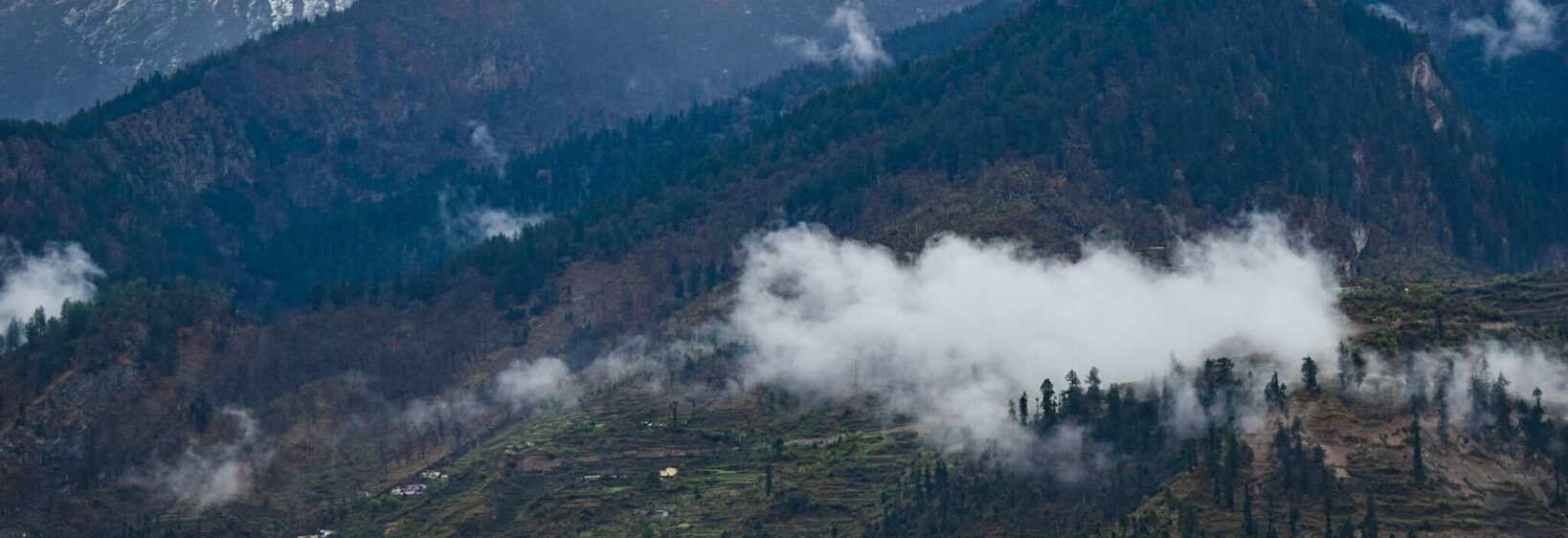
The Kausani Anasakti Ashram’s historic photograph collection
High in Uttarakhand’s Kumaon region, Kausani is known for wide Himalayan views, pine-covered slopes and a quiet connection with Mahatma Gandhi. The Anasakti Ashram, where Gandhi stayed in 1929, preserves that association through its setting, writings, prayer spaces and displays of historic photographs.
For Australian visitors, the ashram offers a gentler kind of heritage experience than a crowded monument. It is a place to slow down after travelling through the hills, much as someone from Melbourne or Sydney might seek a peaceful country retreat after a busy week. The photographs help connect the building’s simple rooms with the people and ideas that shaped modern India.
A visual record of Gandhi’s Kausani visit
The photograph collection centres on Gandhi’s stay in Kausani and the influence of his reading and reflection there. His visit inspired the name “Anasakti Ashram”, referring to the principle of selfless action associated with the Bhagavad Gita. Images of Gandhi, local residents, visitors and national movement figures give the site a human scale.
Rather than functioning like a large metropolitan museum, the display is intimate. Photographs are generally encountered alongside rooms, texts and devotional spaces, so the visitor moves between visual history and the atmosphere of the ashram itself. This arrangement suits travellers who enjoy cultural details, old architecture and documentary images more than formal gallery installations.
The collection also reflects the importance of photography in preserving memory. A black-and-white portrait, a gathering outside a building or a picture of Gandhi speaking to villagers can reveal clothing, gestures, building styles and social relationships that written accounts may leave unexplained.
Reading the images as local history
The photographs are valuable because they show more than a famous leader. They suggest how Kausani looked during the early twentieth century, when travel through the Himalayas was slower and village life was closely tied to farming, religious practice and seasonal weather. Local people appear as participants in history, rather than as background scenery.
Visitors should allow time to read captions and observe small details. The images may prompt comparisons between past and present: roads replacing older travel routes, changing clothing, expanding settlements and the continuing importance of temples and ashrams. Australians familiar with heritage homesteads, Aboriginal cultural centres or regional historical societies may recognise this approach, where place and memory are closely connected.
Useful details to notice include:
- Gandhi’s clothing and the simplicity of his surroundings
- Faces and clothing representing Kumaoni communities
- Older views of Kausani’s landscape and buildings
- Captions linking personal stories with India’s freedom movement
Planning a thoughtful visit
The ashram is best approached as part of a broader Kausani itinerary. Visitors can combine the photograph display with Himalayan viewpoints, nearby temples, local markets and walks through pine forests. The pace is unhurried, which makes it suitable for travellers building a longer Uttarakhand journey rather than rushing through several destinations in one day.
| Feature | Anasakti Ashram experience | Large city museum experience |
|---|---|---|
| Setting | Quiet hilltop retreat in Kausani | Purpose-built urban venue |
| Main interest | Gandhi’s connection, photographs and reflection | Broad collections across many themes |
| Atmosphere | Simple, spiritual and contemplative | Curated, formal and often busier |
| Ideal visit length | Around one to two relaxed hours | Several hours or a full day |
| Best suited to | Heritage, photography and slow travel | Visitors seeking extensive exhibitions |
Australian travellers should also account for mountain roads and changing conditions. Kausani is not a quick hop from Delhi in the way a domestic city attraction might be. A route from Delhi, Dehradun or Kathgodam can take much of a day, and travel times may stretch during monsoon rain or holiday periods. Allowing buffer time is wise, especially for visitors used to Australia’s relatively straightforward long-distance highways.
Connecting the collection with Uttarakhand travel
The ashram becomes more meaningful when paired with other cultural stops. A journey might include Almora’s old streets, Binsar’s forested hills, Ranikhet’s cantonment heritage or temples along the Kumaon route. Travellers interested in photography can record changing light, village homes, prayer flags and mountain ridges, while taking care not to photograph people or religious ceremonies without permission.
For planning routes, accommodation and photo-based travel ideas, the Uttarakhand travel gallery provides useful context about destinations, local attractions and regional experiences. This kind of background is especially helpful for Australians comparing independent travel with a guided package. Local operators may arrange vehicles and drivers, but itineraries should remain flexible because road conditions, landslides and weather can affect schedules.
The collection also fits naturally into a responsible travel style. Buy locally made goods where possible, carry reusable water supplies, avoid litter and respect the ashram’s quiet rules. Kausani’s appeal depends on its clean air, open views and living traditions, not simply on a checklist of sights.
Why the photographs still matter
The historic images at Anasakti Ashram preserve a meeting between a national figure and a Himalayan community. They help explain why Kausani became associated with Gandhian thought, while revealing the visual texture of an earlier Uttarakhand: modest interiors, mountain settlements, traditional dress and gatherings shaped by shared belief.
For visitors from Australia, the collection offers a rewarding counterpoint to spectacular scenery. The Himalayas may draw people to Kausani, but the photographs encourage them to look closer at the region’s social history. A few quiet minutes with an old image can turn a scenic stop into a deeper understanding of place.
A visit is particularly rewarding for travellers who value:
- Documentary photography and regional archives
- Indian independence history and Gandhian philosophy
- Slow itineraries through hill towns
- Cultural experiences beyond major tourist landmarks