Reading Pahari History Through Old Almora Documents
Old Almora documents preserve more than words. Their letterforms, ink tones, paper fibres and faded margins reveal how people in the Kumaon hills recorded land, worship, trade, family relationships and everyday obligations. A close photograph can make these details visible without removing fragile papers from an archive.
For readers in Australia, this photo essay offers a way to approach Himalayan heritage through visual evidence. Whether viewed from a Melbourne study, a Sydney library or a quiet home in Perth, each page connects language with place, memory and the practical history of Almora.
| Feature | What to look for | Cultural value |
|---|---|---|
| Script shape | Devanagari forms, ligatures and spacing | Shows writing habits and education |
| Paper | Handmade fibres, folds and watermarks | Indicates age, use and circulation |
| Ink | Brown, black or uneven faded strokes | Records materials and preservation |
| Margins | Notes, seals, dates and corrections | Reveals administration and ownership |
| Language | Kumaoni vocabulary within wider Hindi use | Reflects local speech and identity |
The setting behind the pages
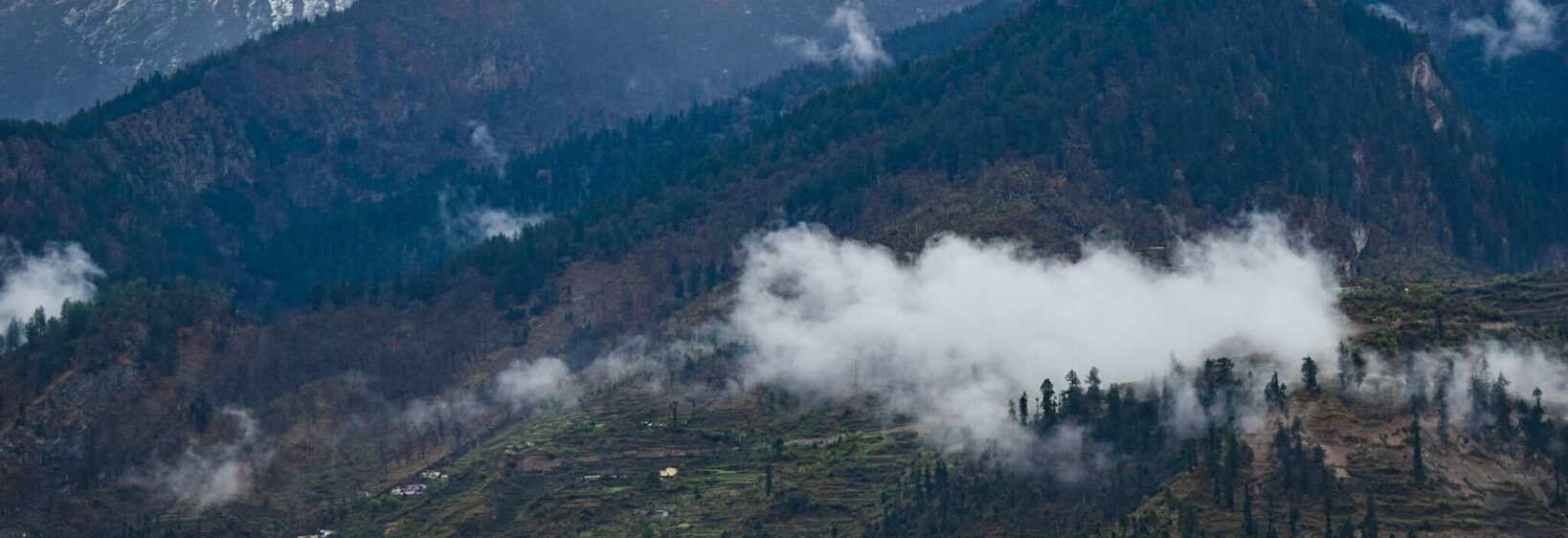
Almora sits along a curved ridge in Uttarakhand, surrounded by pine-covered slopes and distant Himalayan views. Its old bazaars, temples and stone buildings formed a setting where oral traditions and written records existed side by side.
A document from this region may refer to villages, forest paths, fields, seasonal fairs or religious journeys. Place names can be especially valuable because they preserve older spellings that differ from modern maps and official records.
What “Pahari script” can mean
“Pahari” describes a group of Himalayan languages and cultural traditions rather than one single alphabet. In the Almora area, Kumaoni has generally been written in Devanagari, while older records may show regional writing habits, inherited calligraphic forms or administrative conventions.
This distinction matters when examining a manuscript. A page may use a recognisable Nagari base while displaying unusual letter shapes, abbreviated words or vocabulary associated with Kumaoni speech. Script, language and handwriting style should therefore be described separately.
Devanagari in an older hand
The headline visual feature is often the horizontal line running across Devanagari letters. In older Almora papers, that line can be broken, wavering or unevenly dark because of the writer’s pen, the quality of the ink and repeated folding.
Letters may appear compressed to fit a narrow margin, while vowel signs and conjunct consonants can be difficult to distinguish in low-resolution images. A high-quality photograph should show the complete line, including edges, seals and blank areas around the writing.
Paper, pigment and physical traces
Handmade paper often carries clues that a transcription cannot provide. Fibres, thickness, insect damage, water stains and crease patterns indicate how a document was stored and handled. A torn corner may suggest frequent consultation rather than simple age.
Ink also changes the mood of a photograph. Iron-gall ink can fade to warm brown, while soot-based ink may retain a deeper black. Flash photography can flatten these differences, so soft, controlled light is preferable for archival documentation.
Reading place names and local vocabulary
Kumaoni words may appear within documents written in a more formal register. Agricultural terms, kinship names, titles and ritual expressions can preserve the texture of local speech, even when the document follows a bureaucratic format.
Comparing a manuscript with modern village names, temple records and oral testimony can help identify uncertain readings. The process resembles interpreting a mountain landscape photograph: a distant ridge becomes meaningful when matched with a known route, shrine or settlement.
A visual connection with Uttarakhand landscapes
The relationship between writing and landscape is central to the region’s identity. A record mentioning a lake, pilgrimage route or high ridge belongs to the same cultural geography represented in contemporary travel photography. The Deoria Tal sunrise shows how water, mountains and reflected light can frame a sense of place; old documents provide a quieter, written version of that connection.
For photographers, the strongest essay pairs close details with wider context: a letterform beside the document’s full sheet, a village name beside a map, or a temple reference beside an image of its setting. This approach avoids treating the script as an isolated design.
Photographing heritage responsibly
Archive photography should follow the collection’s handling rules. A document may require supports, clean hands, no direct sunlight and permission before publication. Some private family papers carry personal names, property details or religious information that should not be displayed without consent.
Australian readers may recognise similar responsibilities from museum and library work in cities such as Canberra and Melbourne. The Copyright Act 1968 can affect reproducing photographs or archival material, while cultural protocols may impose responsibilities beyond legal ownership. Even browsing habits familiar from weekend craft markets or local history fairs should not be transferred uncritically to sacred or privately held records.
Why the documents still matter
Old Almora papers make language history tangible. They show how regional identity survived through changing administrations, schooling systems, printing practices and the gradual standardisation of written Hindi. Their value lies in the combination of text, material and place.
A careful photo essay can bring this heritage to audiences across Australia, from readers commuting through Sydney to families exploring Uttarakhand tourism before a Himalayan journey. The images invite close looking while reminding us that every faded line belongs to a living community and a particular landscape.