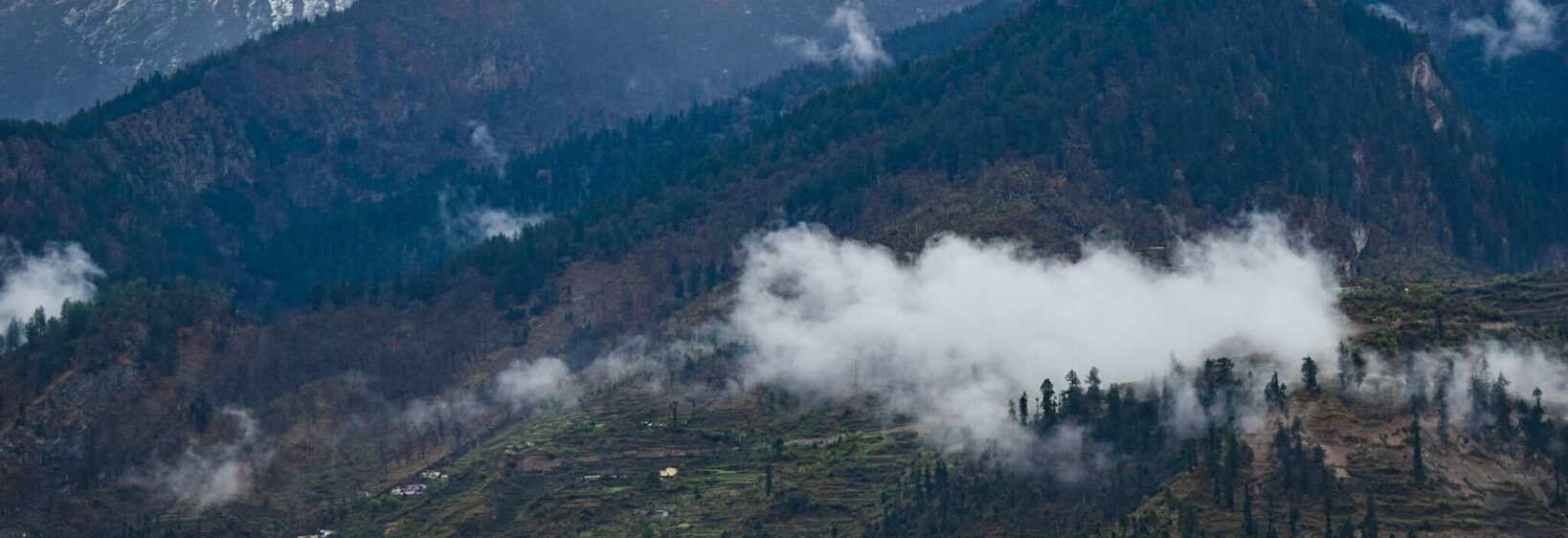
Photographing the Gaula River Dam Near Kathgodam
The Gaula River dam near Kathgodam offers a striking subject for photographers interested in the meeting point between nature and industry. Concrete spillways, steel structures, sedimented water, gravel banks, forested hills and distant settlements create a layered landscape with plenty of visual tension.
This is Uttarakhand away from the postcard view. The site reflects the region’s working infrastructure, water management, transport routes and relationship with the Gaula River. A thoughtful image can show how engineering occupies the same valley as farmland, woodland and everyday life.
For Australian visitors, the scene may feel familiar in spirit but different in scale and texture. A Melbourne photographer used to documenting rail yards, a Brisbane creative drawn to stormwater channels, or a traveller from Perth accustomed to dry river systems can find fresh ideas in the dam’s raw surfaces and mountain setting.
The strongest photographs will usually come from patience rather than expensive equipment. Changing cloud, late afternoon haze, monsoon residue and the movement of people around the river can transform a straightforward industrial view into a detailed visual story.
Seeing infrastructure within the valley
Begin by treating the dam as part of a larger landscape rather than an isolated structure. Frame the concrete wall against the hills, include the river’s edge, and look for roads, utility poles, forest patches or buildings that reveal how the area functions.
Kathgodam is a gateway town, so movement is part of its character. Trucks, shared jeeps and pedestrians may appear around the wider area, giving scale to an otherwise massive structure. These details help viewers understand the dam’s place in local life.
Working with mountain light
Early morning can produce soft contrast across the water and pale, cool tones in the surrounding slopes. Late afternoon is often more dramatic, especially when the sun catches damp concrete, exposed aggregate or ripples below the structure.
Monsoon conditions deserve special attention. Mist can flatten the background while deepening the colour of vegetation, and overcast skies can create a restrained documentary mood. Never approach fast-moving water for a better angle; a slightly distant photograph is preferable to an unsafe position.
Building strong industrial compositions
Look for repeated shapes: railings, drainage channels, steps, pipes and rectangular openings. These lines can lead the eye into the frame and make a simple dam wall feel architectural. A wide-angle lens suits the valley, while a standard or short telephoto lens can isolate textures.
Try vertical compositions for the height of the hills and dam face. Horizontal frames work well when the river, road and infrastructure form several bands across the image. A lone worker, vehicle or tree can provide a useful human scale without becoming the main subject.
Choosing equipment for the location
A compact mirrorless camera or weather-sealed DSLR is practical, though a modern phone can produce excellent files in good light. Pack a microfibre cloth because river spray, dust and sudden rain can quickly mark a lens.
Useful choices for a field session include:
- A wide lens for the full valley and dam structure
- A standard lens for balanced documentary views
- A polarising filter to manage reflections on water
- A tripod for low-light exposures from a safe position
- Spare batteries and a waterproof cover
- Neutral clothing that attracts less attention around working areas
Australian photographers should plan for a different rhythm from a weekend shoot around the Yarra or Sydney Harbour. Transport may be slower, mobile coverage can vary, and local directions are often based on landmarks rather than formal signs.
Respecting access and local activity
A dam is working infrastructure, not simply a scenic viewpoint. Observe warning signs, barriers and restricted zones, and avoid blocking roads used by staff, residents or supply vehicles. Ask before photographing people closely, particularly workers and local families.
The surrounding communities deserve the same care as the landscape. A useful companion to broader Uttarakhand travel research is this Kunauli village guide, which shows why rural places are best approached through local context rather than quick visual consumption.
Editing concrete, water and forest
Industrial photographs often benefit from restrained colour grading. Lowering saturation slightly can emphasise grey concrete, brown river sediment and deep green vegetation. Keep enough colour to preserve the atmosphere of the Kumaon hills.
Black and white conversion can work when the composition relies on texture, geometry and contrast. Check that the image still communicates depth; mist, pale skies and concrete can merge into a flat grey field if contrast is pushed too far.
Sharing a grounded visual story
A strong gallery might begin with a wide view, move closer to engineering details, include a human-scale frame, and finish with water leaving the structure towards the valley. Captions should identify the setting and explain what viewers are seeing without overstating the scene.
For photographers building an audience in Australia, a small print series or carefully edited Instagram carousel can perform better than a large, unfocused collection. Readers browsing UK travel photography may respond to images that combine place, practical travel information and local atmosphere.
The dam also offers a useful counterpoint to familiar Australian industrial subjects such as Port Kembla steelworks, Melbourne’s freight corridors or the old power stations of regional Victoria. Its appeal lies in the contrast: engineered forms set against Himalayan terrain, with the Gaula River connecting the built and natural worlds.