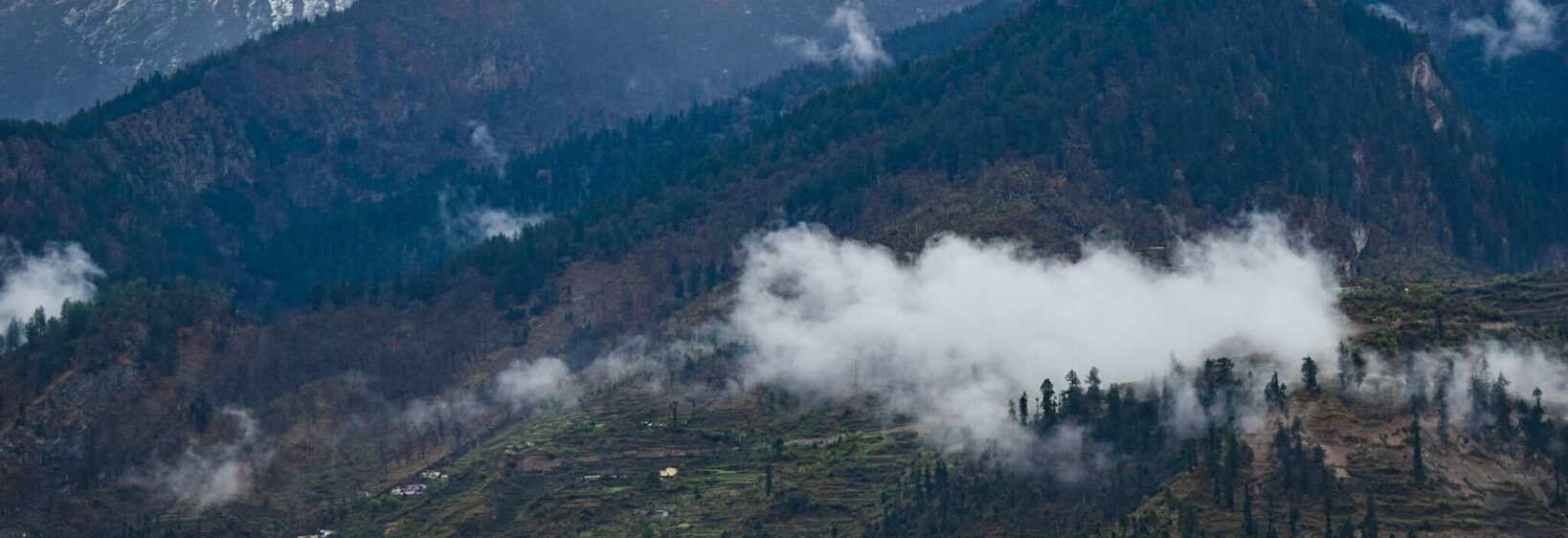
Pithoragarh Fort at Sunset: A View Over the Kali Valley
Pithoragarh Fort stands above the Kumaon town of Pithoragarh, where mountain ridges, terraced slopes and distant Himalayan ranges meet the broad valley landscape. Often called Gorkha Fort, the stone structure dates from the late eighteenth century and reflects the strategic importance of this border region.
At sunset, the old walls become a quiet viewpoint rather than a grand monument with polished galleries. The fading light settles over rooftops and forested hills, while the valley takes on layers of copper, blue and violet. For visitors travelling from Australia, it offers a slower, more atmospheric experience than Uttarakhand’s busiest hill stations.
The story behind the fort
The fort was built during the Gorkha period, generally dated to around 1789, when Gorkha rulers expanded into Kumaon. Its position gave defenders a useful view across the settlement and surrounding routes. Although much of the original structure has weathered, the remaining walls and elevated setting still suggest its military purpose.
Pithoragarh later became an important administrative and trading centre in the eastern Kumaon Himalaya. The wider district reaches towards the Kali River and the Nepal border, giving the area a distinct frontier character. Local history is closely connected with migration, army service, seasonal trade and the movement of people through high mountain passes.
Visitors interested in regional heritage can place the fort within a broader journey through Uttarakhand’s temples, villages and landscapes. A useful collection of destination stories and photographs is available through this Uttarakhand travel gallery, including visual references that help with trip planning.
Reaching the viewpoint
Pithoragarh is a long road journey from the major transport hubs of northern India. Travellers usually combine a flight to Delhi with an onward road trip, or travel by train towards Kathgodam before continuing by car. From Delhi, the route can take most of a day or longer depending on traffic, roadworks and weather.
The final approach around the town may involve uneven roads, short climbs and limited signage. A local driver is valuable because they can identify the practical access point, advise about opening arrangements and allow extra time for traffic in the market area. The fort should be treated as a modest historic site, not a fully managed tourist attraction.
Australians flying from Sydney or Melbourne should allow a recovery day after arriving in northern India. Jet lag, mountain roads and altitude changes can make an ambitious same-day itinerary uncomfortable. Keep the sunset visit flexible rather than tying it to a tight connection or prepaid transfer.
Watching the light change
The best view comes from arriving before the sun reaches the western horizon. Early light helps reveal the fort’s stonework, nearby ridgelines and the layered terrain extending towards the Kali valley. As the sun drops, shadows deepen quickly, so a small torch or phone light is useful for leaving safely.
The scene suits a wide-angle lens for the walls and landscape, while a short telephoto lens can compress distant ridges. A tripod may help in low light, but it should not block narrow paths. Australian habits such as carrying a wide-brimmed hat, sunscreen and a refillable water bottle are equally useful here, even when the evening air feels cool.
Cloud and haze can completely change the result. In the monsoon months, clouds may hide the distant ranges, while winter often brings clearer skies but colder evenings. Check local conditions before setting out and avoid standing on unstable masonry for a better photograph.
Practical travel etiquette
The fort is part of a living town rather than an isolated film set. Dress modestly, keep voices low and ask before photographing residents, shrine areas or local ceremonies. Do not remove stones, paint walls or leave food and plastic behind. Indian heritage and local government rules protect historic places, and restrictions can apply even where there is no formal ticket booth.
Pithoragarh’s shops and small eateries may not accept international cards reliably. Carry some Indian rupees in smaller notes, while keeping valuables discreet. Tap-and-go payments are an everyday habit in Sydney and Melbourne, but rural Uttarakhand still rewards a mixture of cash, card and offline planning.
For a tour or transport package booked from Australia, read the cancellation terms and inclusions carefully. The Australian Consumer Law can protect transactions involving businesses carrying on business in Australia, but it does not automatically cover every overseas operator. Use a reputable agent, request written details and check whether travel insurance covers mountain-road delays or medical evacuation.
Planning the sunset stop
Sunset time changes significantly through the year, and the valley can become dark soon after the last direct light disappears. Ask a local guide about the safest return route, particularly if travelling with children or carrying camera equipment. Mobile coverage may be inconsistent, so share your plan with your driver or accommodation host.
The fort works well as part of a wider Pithoragarh itinerary. Pair it with a town walk, a local market visit or a longer exploration of Kumaoni villages and borderland scenery. Travellers with more time can continue towards Munsiyari, Dharchula or other eastern Himalayan destinations, subject to road conditions and seasonal access.
| Planning point | What to expect |
|---|---|
| Best viewing period | Clearer winter evenings, with weather-dependent mountain views |
| Access | Road travel to Pithoragarh followed by a local approach and short walk |
| Photography | Wide views, textured stone walls and rapidly changing low light |
| What to carry | Water, warm layer, small cash, torch and sun protection |
| Local approach | Respect residents, protect masonry and follow current site guidance |
The Pithoragarh Fort sunset is memorable because it combines a fragment of Kumaoni history with a wide, changing mountain horizon. Arrive unhurried, allow for local realities and let the evening light reveal the fort at its most atmospheric.