A Pilgrim’s Guide to the Yamunotri Temple
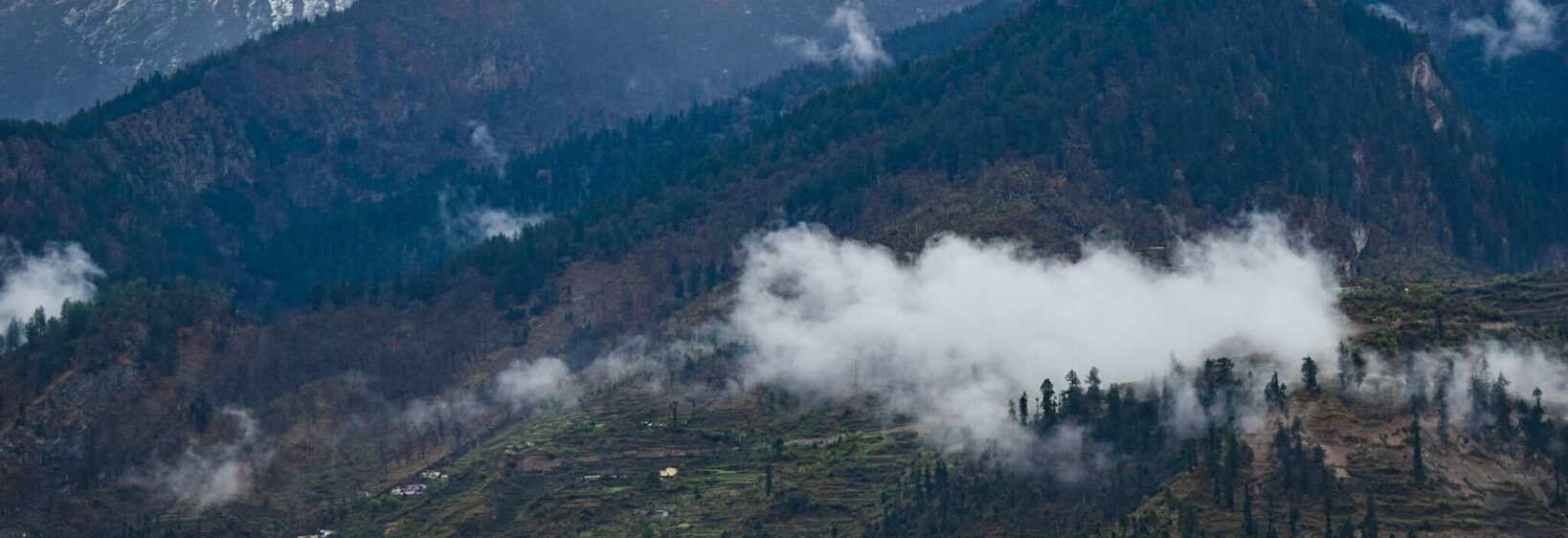
Yamunotri Temple is one of the four sacred sites in Uttarakhand’s Char Dham pilgrimage circuit. Dedicated to Goddess Yamuna, the shrine rests in the Garhwal Himalayas near the source of the Yamuna River, surrounded by steep valleys, pine forests, and snow-covered peaks.
The journey combines devotion with a rewarding mountain experience. Pilgrims travel through the peaceful settlements of the Yamuna Valley, walk the final trail from Janki Chatti, and take part in rituals connected with the river, hot springs, and ancient Hindu traditions.
For a wider view of Himalayan culture, landscapes, and local travel routes, explore these Uttarakhand travel stories before planning your visit.
Why Yamunotri Holds Sacred Importance
The temple is traditionally associated with Yamuna, the daughter of Surya, the sun god, and sister of Yama, the deity of death. Devotees believe that worshipping her can bring protection, spiritual strength, and freedom from the fear of untimely death.
The present shrine is linked with the temple-building traditions of the nineteenth century, although the sacred site has older religious roots. A black marble idol of Goddess Yamuna is worshipped inside the sanctum, while the surrounding springs and mountain landscape add to the pilgrimage’s spiritual character.
Best Season For The Pilgrimage
Yamunotri generally opens around Akshaya Tritiya in April or May and closes around Bhai Dooj in October or November. Exact dates change each year according to the Hindu calendar. The summer and early autumn months usually offer the most practical conditions for travel.
Monsoon rain can bring landslides, slippery paths, and road delays in the Garhwal region. Late autumn may bring cold temperatures and early snow. Check temple announcements, weather forecasts, and road conditions before leaving, especially if travelling with older family members or young children.
Reaching Janki Chatti And The Temple
Most pilgrims travel by road to Barkot and then continue towards Hanuman Chatti or Janki Chatti. Janki Chatti is the usual starting point for the final walk, which is approximately six kilometres to the shrine. The paved mountain path includes steep sections, resting points, tea stalls, and views of the river valley.
Ponies, palkis, and local assistance may be available, though services can vary with weather and crowd levels. Walking slowly, carrying water, and taking regular breaks makes the route easier. Helicopter services may operate in the region during selected periods, but schedules depend on weather and local regulations.
| Travel Stage | Typical Arrangement | Helpful Note |
|---|---|---|
| Haridwar or Dehradun to Barkot | Road journey | Allow time for mountain traffic |
| Barkot to Janki Chatti | Shared taxi or private vehicle | Confirm road conditions locally |
| Janki Chatti to Yamunotri | Trek, pony, or palki | Begin early to avoid crowds |
| Temple visit | Darshan and rituals | Follow queue and shrine rules |
| Return to Janki Chatti | Same route downhill | Keep daylight in reserve |
Sacred Places Along The Trail
Surya Kund is a naturally heated spring near the temple. Pilgrims traditionally prepare rice or potatoes in the hot water, tying the food in cloth before immersing it. This offering, known as prasad, is taken home after the worship. The water is extremely hot, so visitors should follow local instructions and avoid touching the spring directly.
Divya Shila, a sacred stone near the temple entrance, is worshipped before entering the main shrine. Many devotees also visit the Yamuna River and offer prayers with flowers, incense, or simple water rituals. Keep offerings modest and avoid leaving plastic, food packaging, or other waste beside the stream.
What To Pack For The Mountain Route
Conditions can change quickly at high altitude, even during the warmer pilgrimage season. Comfortable walking shoes, layered clothing, rain protection, sunscreen, and a refillable water bottle are useful for the trek. A small first-aid kit and personal medicines should remain easy to reach.
A few practical habits can make the journey safer and more respectful:
- Carry identification, cash, prescribed medicines, and emergency contact details.
- Start the trek early and avoid rushing on steep or crowded sections.
- Dress warmly and protect electronics from rain and moisture.
- Use approved accommodation and transport providers in Janki Chatti or nearby towns.
- Follow temple instructions and take all waste back to a proper disposal point.
Staying Respectful During Darshan
Yamunotri is a living place of worship rather than only a sightseeing destination. Dress modestly, maintain silence near the sanctum, and follow the queue system. Photography may be restricted inside the temple or during particular rituals, so ask before using a camera.
Respecting local residents, priests, porters, pony handlers, and fellow pilgrims helps preserve the warmth of the journey. Avoid pushing, loud music, and unnecessary plastic use. The mountain environment is fragile, and every visitor shares responsibility for keeping the pilgrimage route clean.
Plan A Meaningful Visit
Allow extra time for road delays, weather changes, and rest. A stay in Barkot, Hanuman Chatti, or Janki Chatti can make the journey less tiring than attempting the entire route without a pause. Travellers continuing to Gangotri, Uttarkashi, or other Himalayan destinations should build flexibility into their itinerary.
Begin your Yamunotri pilgrimage with reliable local information, respectful preparation, and enough time to experience the landscape beyond the temple gates. Pack thoughtfully, confirm current travel conditions, and set out for the sacred valley with patience and reverence.