Chopta–Tunganath Trek To The Highest Shiva Temple
The trail from Chopta to Tunganath combines alpine scenery, Garhwali culture and a pilgrimage to one of India’s most remarkable mountain shrines. At roughly 3,680 metres above sea level, Tunganath is widely recognised as the world’s highest Shiva temple.
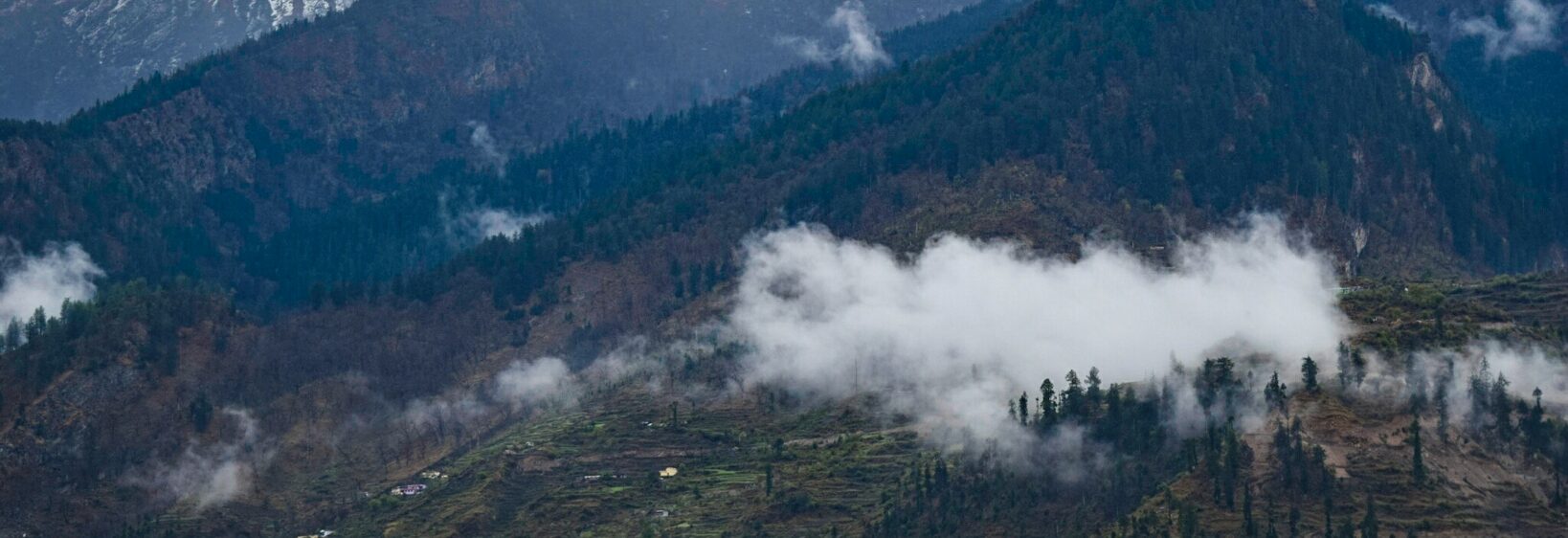
The walk is short by Himalayan standards, yet the altitude makes it a meaningful challenge. Rhododendron slopes, broad views of the Chaukhamba range and crisp mountain air reward steady walkers, while the final approach brings a strong sense of religious history.
For travellers from Australia, the journey offers a striking change from familiar coastal walks around Sydney or Melbourne. It requires more preparation than a day hike near home, especially because weather, road conditions and altitude can change quickly in Uttarakhand.
| Feature | Details |
|---|---|
| Starting point | Chopta, Rudraprayag district |
| Temple elevation | Approximately 3,680 metres |
| Trek distance | Around 3.5–4 kilometres one way |
| Walking time | About 2–4 hours each way |
| Best seasons | April to June and September to November |
| Extra viewpoint | Chandrashila summit, approximately 4,000 metres |
Reaching Chopta From The Australian Traveller’s Route
Most international visitors fly from Australia to Delhi, often connecting from Sydney, Melbourne, Brisbane or Perth. From Delhi, the practical route continues by road through Rishikesh, Devprayag, Srinagar and Rudraprayag. The final mountain roads are winding, so a private vehicle or a reliable local driver is usually more comfortable than attempting a rushed transfer.
The journey is part of the experience, passing through terraced fields, river valleys and traditional villages. Allow at least two days from Rishikesh to reach Chopta comfortably, with an overnight stop around Rudraprayag or Ukhimath. Travellers comparing itineraries and local attractions can browse Uttarakhand photo guides before deciding how to combine the trek with Deoria Tal, Rishikesh or Joshimath.
What The Tunganath Trail Is Like
The stone-paved path begins near Chopta and climbs through meadows and forest edges. During spring, rhododendrons add colour to the slopes; in autumn, the clearer skies reveal snow-covered Himalayan peaks. Ponies may be available during the pilgrimage season, although walking slowly is preferable for visitors still adjusting to altitude.
The temple complex appears after a series of steady bends rather than a single dramatic ascent. Tunganath is associated with the Pandavas and forms part of the Panch Kedar pilgrimage circuit. Its stone architecture, small shrines and mountain setting create excellent opportunities for respectful photography, especially in the soft light of early morning.
Weather, Altitude And Responsible Walking
Altitude is the main consideration. A person who regularly walks around Canberra, the Dandenong Ranges or Western Australia’s coastal trails may still feel breathless here because the air contains less oxygen. Walk at an easy pace, drink regularly and avoid treating the distance as a race. Headache, nausea, unusual tiredness or confusion should be taken seriously, with descent the safest response if symptoms worsen.
The temple generally becomes inaccessible during heavy winter snowfall, while the monsoon months can bring slippery paths, road closures and landslides. Australian habits such as applying broad-spectrum sunscreen, wearing a hat and carrying a reusable water bottle are especially useful at high elevation. Check current road and weather reports before leaving Rishikesh.
Practical Packing And Booking Advice
Chopta has basic accommodation, guesthouses and small eateries rather than the broad choice found in Melbourne or Sydney. Local markets may have limited supplies, and prices can rise when transport is disrupted. Carry some Indian rupees, as card payments and reliable mobile internet are not guaranteed in remote areas.
Useful preparations include:
- Layered warm clothing, waterproof outerwear and gloves
- Broken-in trekking shoes with firm grip
- Sunglasses, sunscreen, lip balm and a refillable bottle
- Personal medication, a basic first-aid kit and offline maps
- A headlamp and power bank for simple mountain accommodation
Australian citizens need the appropriate Indian visa before travel, and passport validity and entry conditions should be checked through official government sources. When booking an Indian operator from Australia, read cancellation, transport and insurance terms carefully: Australian Consumer Law protections may apply differently depending on where and how the service is sold.
Extending The Pilgrimage Beyond Chopta
Many visitors add the short climb from Tunganath to Chandrashila, a summit with wide views across the Garhwal Himalaya. The extra section is steeper and more exposed, so it should only be attempted in clear weather with enough daylight. Start early, particularly during the busy pilgrimage period, when the main trail becomes more crowded.
The wider region supports a thoughtful itinerary of temples, village stays and nature experiences. Ukhimath is important for the winter worship tradition when the Tunganath deity is moved from the snowbound shrine, while Deoria Tal provides a gentler lake walk nearby. Respect local customs by dressing modestly around temples, asking before photographing people and carrying rubbish back to the nearest collection point.