A Photo Guide To Seasonal Harvest Festivals In The Tons Valley
The Tons Valley in western Uttarakhand follows the rhythm of snowmelt, sowing, ripening grain and mountain fairs. Villages in the Jaunsar-Bawar region mark these changes through music, communal meals, temple visits and agricultural rituals. For photographers, each season offers a different palette of fields, forests, woollen clothing and ceremonial movement.
This seasonal harvest festivals guide is designed for travellers who want respectful, image-rich experiences rather than staged performances. The best photographs often come from ordinary moments: women sorting grain, children watching a procession, musicians tuning instruments, or villagers carrying produce towards a weekly market.
Australian visitors should remember that Uttarakhand’s festival calendar follows the northern hemisphere. Spring is generally March to May, the monsoon arrives from June, autumn runs through September and November, and winter can bring frost, snow and road closures at higher elevations. Pack for changing conditions rather than relying on a single forecast.
Before travelling, browse UK Photos Gallery for visual references on Uttarakhand’s villages, pilgrimages and mountain routes. Images can help with planning, but current local advice remains essential because festival dates, road access and rituals may change from year to year.
Reading The Valley Through Its Crops
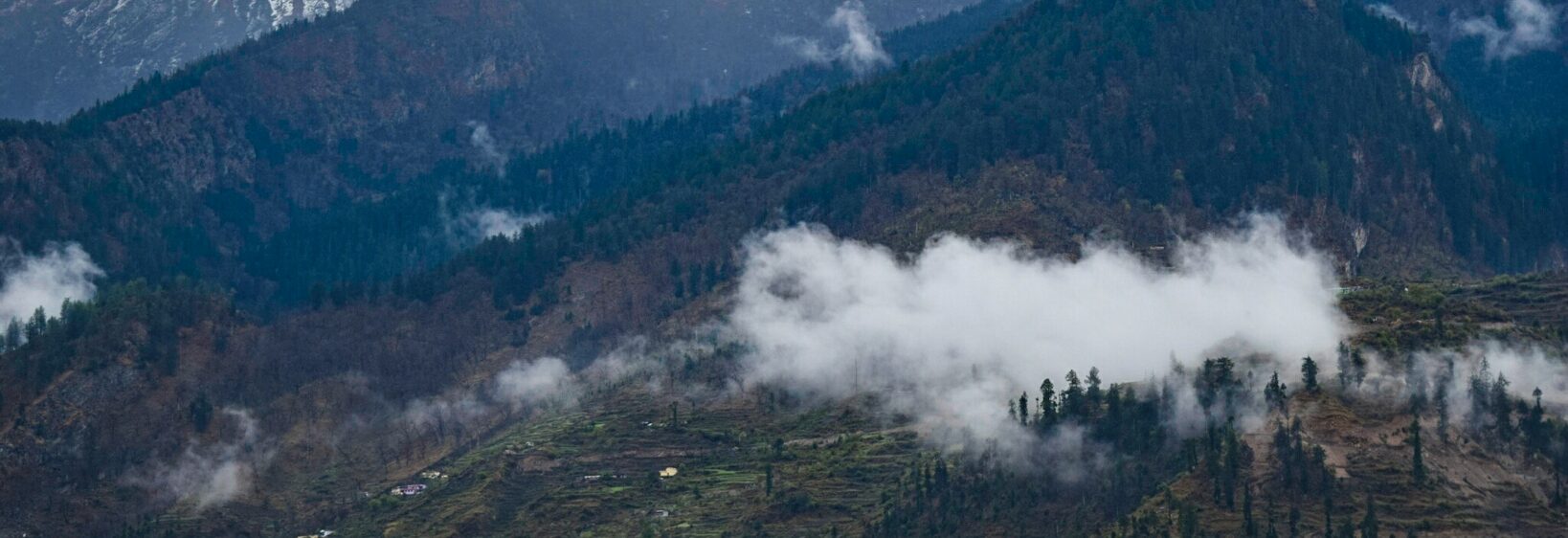
The Tons basin is shaped by steep slopes, river terraces and scattered settlements. Farmers grow varieties of wheat, barley, millets, pulses, potatoes and seasonal vegetables, with apple and apricot orchards appearing in suitable areas. Harvest celebrations are therefore closely tied to altitude and the timing of local work.
Bissu, also written Bishu or Bissu Mela in different areas, is associated with springtime community gatherings in Jaunsar-Bawar. Depending on the village, celebrations may include dancing, drumming, traditional dress, wrestling, market stalls and visits to a local deity’s temple. Ask residents about the meaning of a ceremony before photographing it.
Spring Festivals And New Agricultural Cycles
Spring is often the most energetic period for village photography. Terraced fields begin to show fresh green growth, while traditional houses, carved wooden details and bright fabrics create strong contrasts against the higher snowfields. Early morning light is softer, and village paths are usually quieter before the main gathering begins.
A telephoto lens can record dancers and musicians without intruding into the circle. A wider lens works well for a procession or a full courtyard, but avoid standing in front of performers, priests or people carrying ritual objects. A simple greeting in Hindi, or a request through a local guide, can make the interaction more comfortable.
Autumn Grain And Mountain Markets
Autumn brings clearer skies, harvested terraces and warm tones across the valley. Sair and related post-monsoon observances are connected in many Himalayan communities with seasonal change, household wellbeing and the arrival of new produce. Customs vary between villages, so a local calendar is more reliable than a generic festival listing.
Weekly markets provide a useful documentary setting. Photograph baskets of beans, corn, apples, leafy vegetables and handmade goods alongside the people who grow or sell them. Always ask before making a close portrait, especially when photographing older residents, children or anyone involved in a private religious activity.
For Australians used to weekend farmers’ markets in Melbourne, Brisbane or regional New South Wales, the difference is that a Tons market may also be a social meeting point and a route to a temple fair. Carry small Indian notes, because card facilities and reliable mobile payment may not be available in remote settlements.
Winter Gatherings And Festival Atmosphere
Winter harvest events can have a quieter, more intimate character. Smoke from cooking fires, woollen shawls, timber houses and low afternoon sunlight create atmospheric photographs, while snow may appear on surrounding ridges. Roads can become slippery or blocked, so allow spare days for weather and transport delays.
When visiting from Australia, remember that Australian summer corresponds to the Uttarakhand winter. A traveller leaving Sydney in December may arrive during short daylight hours and freezing mountain nights. Thermal layers, gloves, sturdy shoes and a power bank are more useful than extra casual clothing.
Practical Photography And Travel Details
Use a weather-sealed camera bag or dry sack during the monsoon, and protect batteries from cold by keeping spares close to your body. A compact tripod is helpful for low-light interiors, although some temples or courtyards may prohibit equipment. Never use flash during a ritual unless an organiser specifically permits it.
Travel arrangements should include flexible road time. Check local forest and district rules before entering protected areas, and follow posted restrictions on drones; India’s Drone Rules and local permissions can limit aerial photography. Australian travellers should also keep copies of passport details, travel insurance and emergency contacts, while checking current Smartraveller advice before departure.
If your route connects with river activities elsewhere in Uttarakhand, this Dhauliganga rafting guide offers useful context for combining cultural travel with outdoor plans. Festival visits should remain community-led, with spending directed towards local guides, homestays, food sellers and transport operators.
| Season | Visual Character | Possible Festival Focus | Photography Notes |
|---|---|---|---|
| Spring | Fresh fields, flowers and bright clothing | Bissu or Bishu gatherings | Photograph movement, music and village courtyards |
| Monsoon | Mist, deep green terraces and swollen streams | Smaller local observances | Use rain protection and confirm road conditions |
| Autumn | Golden grain, clear skies and market produce | Sair and post-harvest events | Ask before photographing vendors and ceremonies |
| Winter | Smoke, woollens, low sunlight and snow | Community fairs and temple gatherings | Carry spare batteries and allow for short days |
Respectful Ways To Photograph The Festival
A strong photo essay records relationships rather than collecting exotic images. Show the setting, work and preparation around a festival, and include captions that identify the village, season and agricultural context where appropriate. Do not publish names or identifiable portraits without permission if the subject seems uncomfortable.
These practical habits help keep the experience considerate:
- Hire a local guide who understands village customs and festival timings.
- Ask permission before close portraits, temple photography or images of children.
- Pay fairly for guiding, transport, homestays and commissioned photographs.
- Avoid touching ritual objects, entering restricted spaces or interrupting processions.
- Carry reusable water bottles and take all packaging back with you.
For Australian visitors accustomed to marked bushwalking tracks, the Tons Valley may feel less formal: paths can cross working farms, temple grounds and private courtyards. Treat every gate, field and household boundary as meaningful, and remember that responsible travel is part of the story your photographs tell.