Kalimath temple and the quiet culture of flower offerings
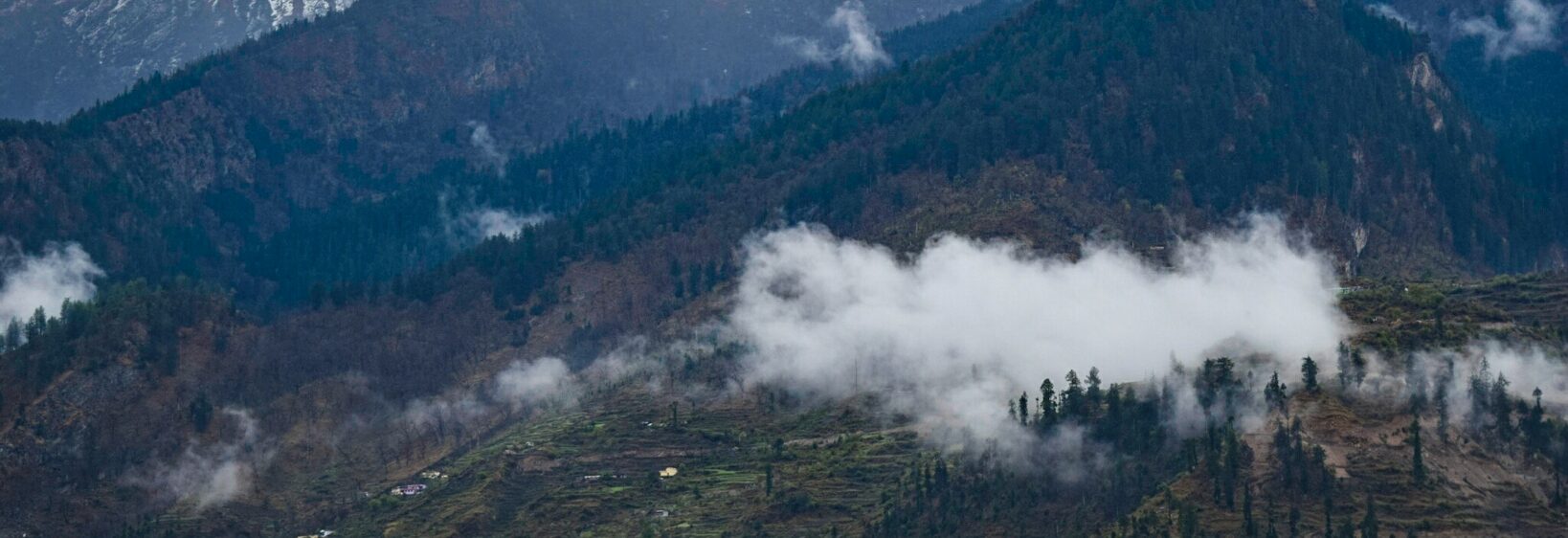
Far from the busy pilgrimage roads of Uttarakhand, Kalimath is a small rural shrine surrounded by steep hills, terraced fields and forested slopes. It lies in Rudraprayag district, close to Ukhimath and the upper Alaknanda region, where village life still follows the seasons and the temple calendar.
The shrine is associated with Goddess Kali and is counted among the important Shakti places of the Garhwal Himalaya. Its atmosphere is quiet and grounded. Rather than grand architecture or crowded bazaars, visitors find stone paths, simple prayer spaces, flowing mountain water and devotees carrying flowers for worship.
For travellers from Australia, Kalimath offers a different kind of Himalayan experience from the familiar circuits of Rishikesh, Mussoorie or Nainital. It feels closer to a remote bushwalking destination than a city attraction, with limited facilities and a strong connection between the temple, the village and the surrounding landscape.
A visit requires patience. The journey from Delhi or Dehradun involves winding mountain roads, and the final approach may be shared with pilgrims, farmers and local vehicles. That slower pace is part of the appeal, especially for visitors used to planning around Australian school holidays, long drives between regional towns and changing weather in alpine areas.
Where the shrine stands
Kalimath is situated in a peaceful valley of Rudraprayag district, near the meeting places of mountain streams and traditional routes leading towards Kedarnath and other Garhwal pilgrimage centres. Ukhimath is an important nearby base, with accommodation, shops and transport connections.
The landscape changes quickly as the road climbs. Pine and broad-leaved forests cover the slopes, while cultivated terraces appear wherever the land allows. In the early morning, mist may settle over the valley and soften the outlines of the hills. By afternoon, sunlight can be intense, even when the air feels cool.
The goddess and local belief
The temple is devoted to Goddess Kali, a powerful form of the divine feminine in Hindu tradition. Local belief connects the area with the goddess’s victory over destructive forces. Worshippers come to seek protection, strength and blessings for their families, livestock and livelihoods.
Kalimath is also linked with the worship of Lakshmi and Saraswati, giving the sacred area a broader connection with prosperity, learning and spiritual power. The shrine’s importance is expressed through ritual and oral tradition rather than through a large built complex. Stories passed between priests, villagers and pilgrims remain central to its identity.
Why flowers matter here
Flowers are among the most visible offerings at Kalimath. Marigolds, chrysanthemums and seasonal blossoms are carried to the shrine in small baskets or folded cloth. Their colour brightens the restrained rural setting, while their fragrance blends with incense, damp stone and mountain air.
Offering flowers is a simple act, yet it carries personal meaning. A pilgrim may bring blossoms after making a vow, before beginning a journey or in gratitude for a family blessing. Visitors should watch the local practice carefully, keep offerings clean and avoid treating the ritual as a staged photograph.
Festivals and village rhythms
Navratri brings special energy to the temple, as devotees honour the goddess over several days with prayers, fasting, music and ceremonial offerings. The exact experience varies according to the local calendar and arrangements made by temple authorities. During festival periods, the quiet paths around Kalimath can become busy with pilgrims from nearby villages and towns.
For photographers, the most respectful images often come from the edges of the event: flower sellers arranging garlands, bells beside the entrance, a priest preparing worship or villagers walking through the morning light. The Uttarakhand photo guide offers a wider sense of the region’s visual character, from village shrines to mountain trails.
Travelling from Australia
Most Australian visitors will begin with an international flight to Delhi, followed by travel to Uttarakhand through Dehradun, Rishikesh or Haridwar. A private car with a local driver is usually more practical than relying on infrequent public transport for the final mountain sections. The road journey can be tiring, so allowing an extra night in Rishikesh or Rudraprayag helps with rest and acclimatisation.
Travellers from Sydney, Melbourne, Brisbane or Perth should carry some Indian rupees in smaller denominations, as rural shops and shrine areas may not accept cards. Australian habits such as carrying a reusable water bottle, wearing a wide-brimmed hat and applying high-SPF sunscreen are useful, but temple etiquette also matters: remove shoes where required, dress modestly and ask before photographing people or ceremonies.
Combining Kalimath with a mountain journey
Kalimath can be included in a broader Uttarakhand itinerary featuring Guptkashi, Ukhimath, Rudraprayag and Deoria Tal. Those planning an extended trek should consider how quickly roads, rain and landslides can alter travel times. The experience is closer to a high-country journey than a fixed urban sightseeing schedule.
Photographers may also enjoy reading this account of the Ralam Glacier trek, which captures the planning and physical demands of remote Himalayan travel. Kalimath itself rewards a gentler approach: arrive early, listen to the village sounds and notice how a handful of flowers can express devotion more clearly than an elaborate display.