A Visual Story of the Barry Baaz in the Garhwal Skies
Above the pine ridges of Garhwal, a large raptor can turn an ordinary morning into a moving landscape. The Barry Baaz, known here as a Himalayan eagle, appears briefly between cloud banks, its wings catching the pale gold of sunrise before it disappears behind a shoulder of mountain.
This is a story best understood through images: a dark shape against snow, a hooked bill in profile, feathers lifting in a cold updraft, and a patient bird watching the valleys below. In Uttarakhand, the eagle belongs to a wider mountain world of shepherd trails, temple bells, terraced farms and deep river gorges.
For visitors arriving from Melbourne, Sydney or Brisbane, the scene feels wonderfully distant from the urban rhythm of trams, traffic and the familiar habit of grabbing takeaway coffee before work. Yet the quiet discipline of watching wildlife has something in common with an Australian weekend bushwalk: both reward patience, distance and respect for the habitat.
First light over the ridges
The best chance of seeing a Himalayan eagle comes soon after sunrise, when warm air begins to rise from the slopes. The bird may circle without a single wingbeat, using invisible thermals to gain height above forests and ravines. At that distance, its outline is often more recognisable than its colour.
A long lens reveals finer details: broad primary feathers spread like fingers, a powerful hooked bill and a steady head held into the wind. Depending on the light and the individual bird, the plumage may appear chocolate brown, charcoal or almost black, with warmer tones around the neck and upper back.
The Garhwal landscape as a frame
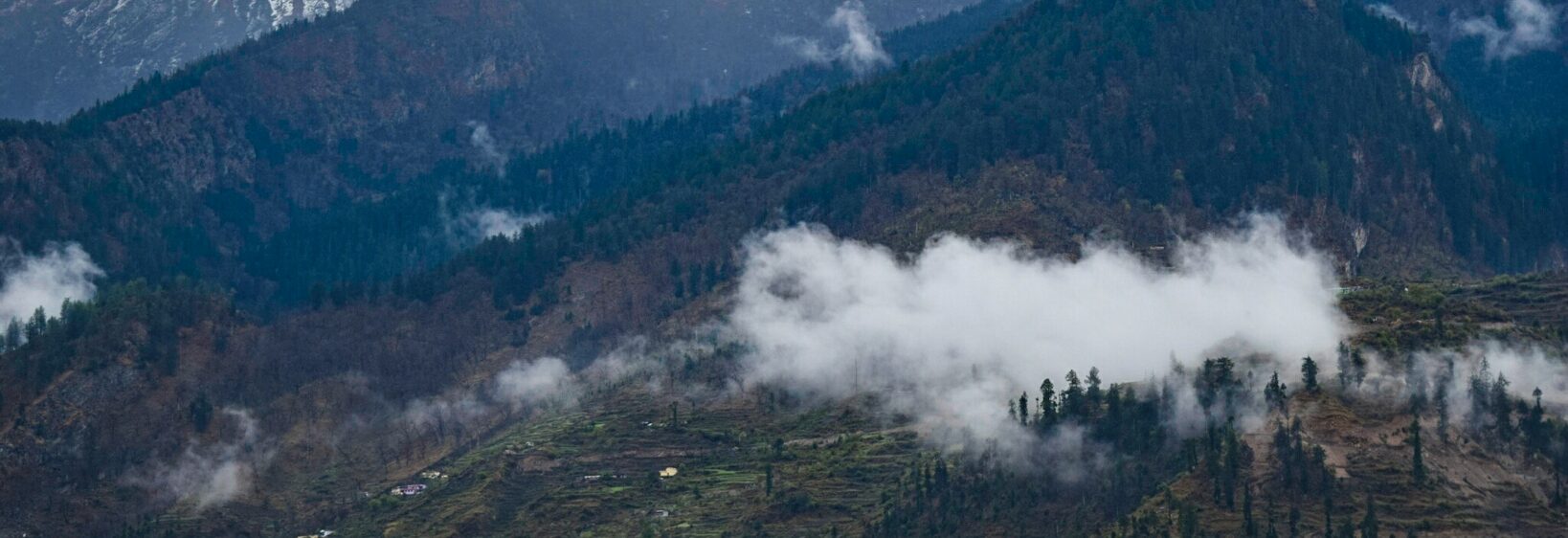
In the lower valleys, the Barry Baaz may be seen above pine and deodar forests, while higher routes open towards rocky slopes and snow-covered summits. Places around Rudraprayag, Joshimath and the approaches to Deoria Tal offer changing backgrounds for a photographic narrative.
The bird is never separate from its setting. A single frame can include a temple roof, a distant village, terraced fields and a vast blue-grey ridge. This layered view is central to UK Photos Gallery, where Uttarakhand’s destinations are often presented through both landscape and local life.
Reading the bird’s movement
An eagle’s flight pattern can reveal more than a dramatic photograph. Slow, wide circles usually suggest rising air, while sudden changes in direction may indicate a search over open ground. The bird’s silhouette also changes as it banks, showing the width of the wings and the shape of the tail.
Wildlife photographers should avoid chasing a sighting from one viewpoint to another. A quiet position on a safe trail is more rewarding than repeated movement. In Australia, national park visitors are similarly expected to remain on marked tracks and keep clear of nesting wildlife; the same restraint is valuable in the Himalayas.
People, altitude and observation
Garhwal’s mountain communities have long noticed birds of prey as part of seasonal life. Farmers, trekkers and pilgrims may recognise an eagle’s call or flight before a visitor can locate it. Local knowledge can point towards a good ridge, but it should never be treated as permission to enter private fields or restricted forest.
A slow morning also fits naturally into the region’s travel culture. After a dawn walk, visitors may stop for tea, aloo paratha or a simple meal. Those planning a stay in Mussoorie can combine mountain views with a café visit through this guide to cafes with views, then return to the hills with a more attentive eye.
Photographing without disturbing the sky
A telephoto lens, spare batteries and a lightweight tripod are more useful than a heavy collection of equipment. Mountain weather can change quickly, so a rain cover and warm layers matter even during a clear morning. Australian visitors used to bright coastal light in Perth or Adelaide may find the Himalayan sun unusually sharp at altitude.
Drones should be avoided unless the operator has clear, specific permission. India’s Wildlife Protection Act and local forest regulations protect wild species and their habitats, while national park rules may impose additional restrictions. The safest photograph is made from a distance, without playback noise, baiting or attempts to make the bird fly.
A memory shaped by silence
The strongest image may be the one taken after the eagle has left the frame. Frost on a pine needle, prayer flags moving over a pass or a line of sunlight crossing the Alaknanda valley can preserve the same sense of presence. The Barry Baaz becomes part of a larger visual story rather than an isolated trophy.
For Australian travellers, the experience offers a different pace from crowded city streets, supermarket errands and the carefully planned rhythm of the local holiday market. In Garhwal, weather, altitude and wildlife set the schedule. The eagle appears when the mountain allows it, and the photograph becomes a record of attention as much as a picture of a bird.