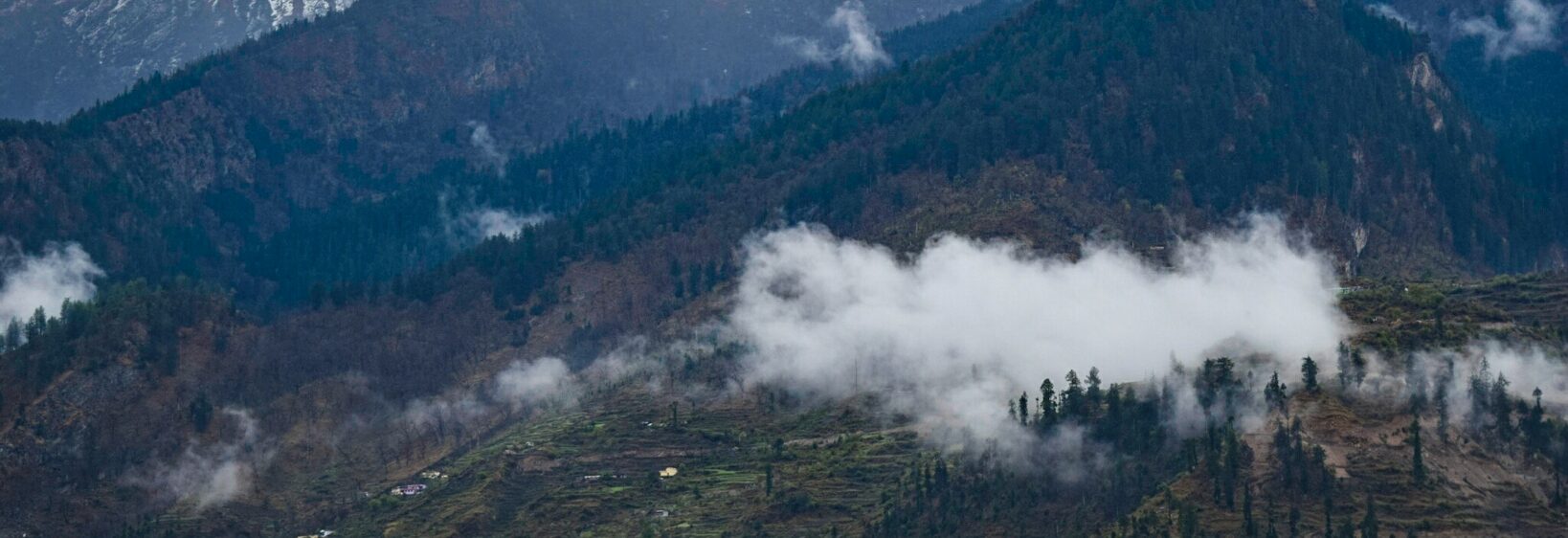
Hemkund Sahib glacier lake photography tips for high-altitude light
Hemkund Sahib is one of Uttarakhand’s most striking places for landscape photography: a sacred glacial lake surrounded by steep Himalayan peaks, snowfields and alpine meadows. At approximately 4,329 metres, it offers dramatic images, but the altitude makes preparation just as important as camera technique.
The lake lies near Ghangaria, reached by trekking from Govindghat through the Valley of Flowers region. Access is seasonal, and conditions can change quickly. Snow, mist, rain and strong wind may arrive within minutes, so a flexible plan is more useful than chasing a single perfect frame.
For travellers from Australia, the journey is very different from a coastal walk near Sydney or a mountain day around Melbourne. Altitude, uneven paths and limited services require patience. Allow time to acclimatise, carry Indian rupees for smaller purchases, and treat the pilgrimage setting with care.
Work with changing mountain light
Early morning often provides the calmest conditions around the lake. Before sunrise, the water may appear dark and reflective, while the surrounding ridges gradually catch pink and gold light. A tripod can help with low shutter speeds, but keep your setup compact because the shoreline can be crowded and uneven.
Cloud is not always a problem. Passing mist can separate layers of peaks and create a sense of depth, while brief breaks in the cloud may spotlight the temple or lake. Use your histogram rather than relying only on the screen, as bright snow and pale cloud can fool the camera’s metering system.
Pack a light and weatherproof kit
A small mirrorless camera, one wide-angle lens and a short telephoto lens are usually enough. A wide lens captures the scale of the lake, while a telephoto option isolates prayer flags, ridgelines, pilgrims or patterns in the ice. Avoid carrying a large kit that slows your walking pace.
Useful items for the trail include:
- Spare batteries kept warm inside an inner pocket
- Lens cloths and a rain cover
- Polarising filter for glare on water and snow
- Lightweight tripod or compact trekking pole support
Australian outdoor retailers such as Kathmandu and Macpac commonly stock reliable layers and dry bags, but high-altitude clothing should be tested before departure. A warm jacket bought for a winter weekend in Hobart may still be inadequate when wind and altitude combine above the tree line.
Protect your body before the camera
Do not treat the trek as a photography race. Spend time acclimatising in Ghangaria and walk slowly, especially on the steep approach to Hemkund Sahib. Headache, dizziness, nausea or unusual breathlessness can indicate altitude sickness; photography should stop if these symptoms appear.
Drink regularly, eat simple energy-rich food and keep sun protection accessible. UV exposure is intense at elevation, even when the sky is cloudy. Sunglasses, sunscreen and a hat are as important as spare memory cards, while trekking poles can make the descent safer on loose or wet sections.
Build stronger compositions at the lake
Use foreground elements to give the scene scale. Rocks, snow edges, prayer flags and small figures can lead the eye towards the water and surrounding peaks. Keep the sacred shrine and pilgrims naturally placed within the frame rather than treating them as decorative objects.
Shoot both horizontal and vertical compositions. A vertical image can emphasise the steep mountain walls, while a horizontal frame may suit a travel feature or panoramic sequence. Take a few exposures at different brightness levels when snow dominates the scene, then review them carefully in shade.
Photograph with respect for the pilgrimage
Hemkund Sahib is a revered Sikh site, not simply a scenic viewpoint. Follow instructions from volunteers, avoid blocking paths, and ask permission before making close portraits. Some visitors may prefer not to be photographed, particularly during prayer or private moments.
Keep cultural details authentic by avoiding staged gestures or intrusive camera positions. These simple habits help preserve the atmosphere that gives the place its meaning:
- Dress modestly and cover your head where required
- Remove footwear in designated areas
- Keep voices low near the gurdwara
- Never fly a drone without clear local permission
Weather and access rules can change, so check current advice with local authorities, tour operators or the gurdwara committee before setting out. Photography permits and restrictions may apply in nearby protected areas, and conditions should take priority over a planned shot.
Plan accommodation and file storage
Ghangaria is the practical base for the trek, with basic guesthouses, lodges and meal options that vary by season. Carry cash because card facilities and reliable mobile service may be limited. Travellers who enjoy local stays can also explore this guide to Mukteshwar homestays to understand how village accommodation differs from a high-altitude trekking base.
Back up photographs each evening if possible, using a phone, portable drive or two memory cards rotated separately. Cold conditions reduce battery life, and moisture can form when equipment moves between chilly outdoor air and warmer rooms. Let the camera warm gradually inside a sealed bag before opening it.
A successful Hemkund Sahib photo story combines landscape, people, weather and pilgrimage atmosphere. Careful pacing and respectful observation will produce a more meaningful record than carrying excessive equipment or waiting endlessly for a cloudless sky.