Photographing The Himalayan Griffon In Binsar
Binsar Wildlife Sanctuary sits in Uttarakhand’s Kumaon region, around 30 kilometres from Almora. Its oak, rhododendron and cedar forests open onto ridgelines with wide Himalayan views, creating a peaceful setting for photographing high-altitude birds.
The Himalayan griffon is one of the sanctuary’s most impressive aerial subjects. This large scavenging vulture often rides thermals above forest edges and valleys, sometimes appearing as a small silhouette before banking close enough to reveal its broad wings and pale neck ruff.
For Australian visitors, Binsar offers a very different wildlife experience from kangaroo photography around Canberra or sea-eagle watching near Hobart. Patience, a quiet approach and realistic expectations matter more than expensive equipment.
| Photography goal | Useful setup | Field reality |
|---|---|---|
| Distant soaring bird | 400–600mm lens, high shutter speed | Griffons may remain far above the valley |
| Flight against the sky | Continuous autofocus, burst mode | Bright backgrounds can fool exposure |
| Perched bird | Monopod and quiet movement | Perches are unpredictable and seasonal |
| Landscape with raptor | 70–200mm lens or wide angle | The bird may occupy only a small part of the frame |
Finding The Sanctuary’s Best Viewpoints
Binsar’s forest roads and walking trails lead towards viewpoints such as Zero Point, where clear weather can reveal Himalayan peaks. Griffons are more likely to be visible above open slopes, ridges and deep valleys than beneath the dense oak canopy.
Arrive before the day becomes warm. Rising air helps large raptors gain height, and early light can give the bird’s wing feathers a soft golden edge. From Australian cities such as Melbourne or Brisbane, visitors may be used to clearly signed national parks; in Binsar, a local guide can be valuable for identifying less obvious trails and safe observation areas.
Choosing A Camera And Lens
A crop-sensor mirrorless or DSLR body can provide useful reach with a 400mm or 600mm lens. A fast autofocus system, animal or bird tracking and a shutter speed around 1/1600 second will help freeze wingbeats. Keep ISO flexible because the griffon can move between bright sky and shaded mountain slopes.
A 100–400mm zoom is often more practical than a very large prime lens when travelling through Uttarakhand. It is easier to carry on uneven paths and useful for both distant birds and forest scenery. Australian photographers comparing prices in Sydney camera shops should also allow for Indian import costs, insurance and careful packing.
Reading The Himalayan Griffon’s Flight
The Himalayan griffon has broad, fingered primary feathers and a powerful wingspan suited to soaring. It usually circles without rapid wingbeats, using warm air rising from slopes. Watch for a small group spiralling together, as one bird often signals a larger movement through the valley.
Avoid judging distance by size alone. Atmospheric haze can make a nearby bird look distant, while a far-off griffon may briefly fill the frame during a banking turn. Expose for the pale underside rather than the darker mountains, and check the histogram frequently when the sky dominates the composition.
Timing Weather And Light
October to April generally offers clearer mountain views and cooler walking conditions, though winter mornings can be cold at altitude. Spring brings flowering rhododendrons, while the monsoon can limit visibility and make forest tracks slippery. Weather can change quickly, so keep a rain cover and lens cloth accessible.
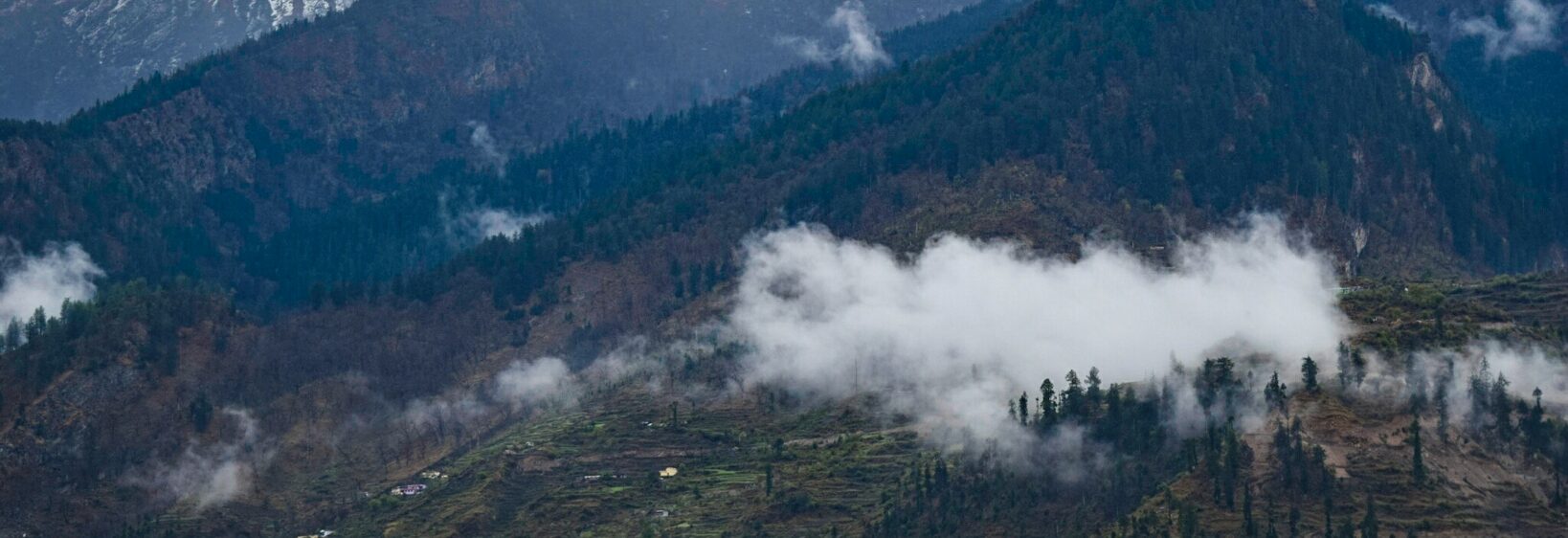
The sanctuary is most rewarding when the peaks, valleys and bird share the frame. Midday light can be harsh, but it often produces strong contrast beneath a soaring griffon. Visitors accustomed to Australia’s dry-season planning should allow extra flexibility for cloud, mist, road delays and local transport.
Respecting Wildlife And Local Culture
Never use bait, loud playback or food to bring a vulture closer. Himalayan griffons are wild scavengers, and disturbing their flight path can affect feeding and roosting behaviour. Keep voices low, stay away from nests and follow sanctuary rules about permits, vehicles and walking access.
A guide may also explain why particular valleys, forests and shrines matter to nearby communities. Learning a few Garhwali and Kumaoni phrases can make greetings more respectful, much as using local Aboriginal place names is valued in many parts of Australia.
Planning A Comfortable Photography Trip
Almora and nearby towns provide accommodation, food and transport links, while Binsar itself has forest lodges and small guesthouses. Reserve ahead during school holidays and peak Indian travel periods. Australian travellers should carry Indian rupees for small purchases, since card facilities and reliable mobile coverage can be limited around rural sanctuary roads.
Pack layered clothing, sturdy shoes, sunscreen, water and a compact first-aid kit. A lightweight tripod or monopod is preferable to heavy studio-style support. Travel insurance should cover hiking, camera equipment and delays, and visitors should check current entry requirements before leaving Australia.
Successful images may show only a distant griffon circling above the Kumaon hills. That scale is part of the story: the bird belongs to a vast Himalayan landscape, and the photograph can preserve both its character and the quiet wilderness of Binsar.